The cosmetic world is no stranger to evolution. From the earliest wrinkle creams to advanced injectable therapies, aesthetic medicine continues to push boundaries. One of the most exciting developments of recent years is the emergence of biologic therapies, like exosomes, as possible alternatives or complements to traditional neurotoxins such as Botox. If you’re searching for Botox alternatives in the UK or want to understand the science behind Botox vs exosomes, this article unpacks everything you need to know.
With a rise in demand for natural, regenerative solutions and an increasing number of patients seeking wrinkle injections in Glasgow that offer more than just temporary fixes, the question stands: Could biologics be the future of facial rejuvenation?
What is Botox and How Does it Work?
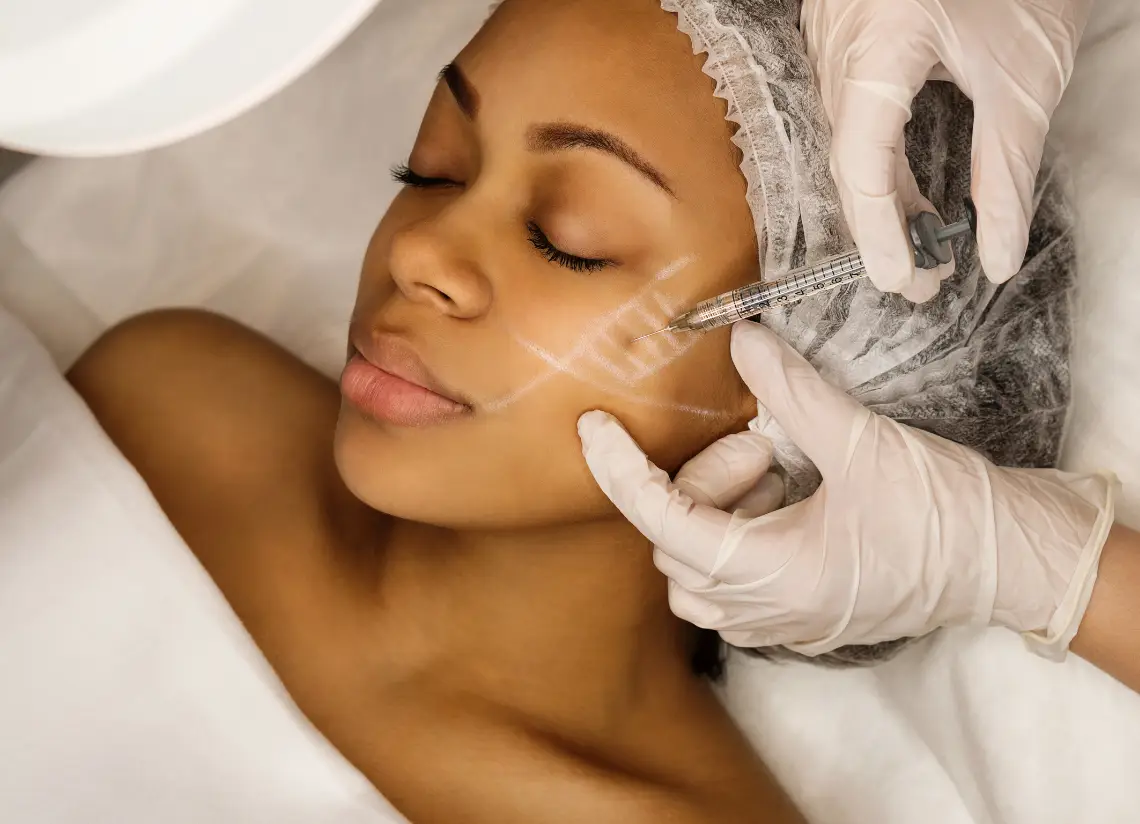
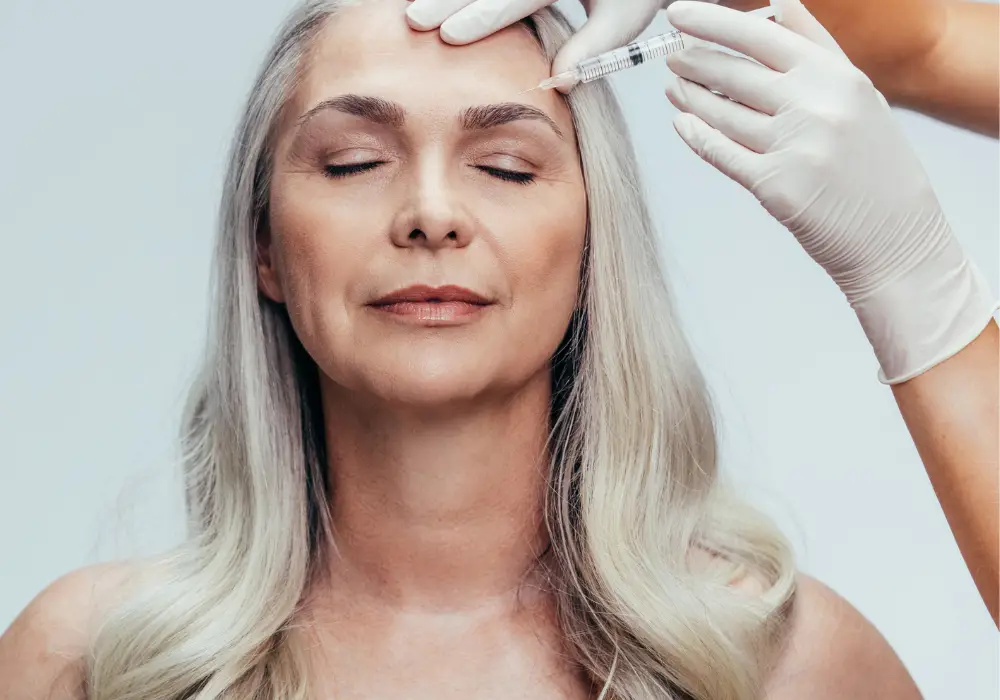
Botox is a purified form of Botulinum Toxin A, a neurotoxin that temporarily blocks nerve signals to muscles. By relaxing specific facial muscles, it softens expression lines such as crow’s feet, forehead lines, and frown lines.
Key Benefits of Botox:
- Quick treatment with visible results in 3 to 7 days
- Smooths dynamic wrinkles caused by repeated facial movements
- Minimal downtime
- Lasts approximately 3 to 4 months
Despite its popularity, Botox has limitations. It doesn’t address underlying skin quality or loss of elasticity. This has led clinicians to explore complementary and alternative treatments that go beyond muscular control.
Enter Biologics: The Regenerative Alternative
Biologics refer to therapies derived from natural sources, often the body itself, to promote healing and regeneration. In aesthetics, exosomes are at the forefront. These tiny vesicles, naturally released by stem cells, deliver molecular messages that stimulate collagen production, reduce inflammation, and enhance tissue repair.
What are Exosomes?
Exosomes are extracellular vesicles that facilitate intercellular communication. When applied to the skin (often following microneedling or laser therapy), they:
- Stimulate fibroblasts to produce collagen and elastin
- Repair damaged skin at a cellular level
- Improve tone, texture, and hydration
This regenerative potential sets them apart from neurotoxins like Botox, which simply interrupt muscle movement.
Botox vs Exosomes: A Side-by-Side Comparison
| Feature | Botox | Exosomes |
|---|---|---|
| Primary Action | Muscle relaxation | Cellular repair & regeneration |
| Target Area | Dynamic wrinkles | Skin quality, texture, fine lines |
| Duration of Results | 3 to 4 months | 6+ months (with repeat treatments) |
| Downtime | Minimal | Minimal |
| Expression Preservation | Reduced movement | Full expression retained |
| Long-Term Skin Health | No impact | Actively improves skin |
Why Patients are Seeking Botox Alternatives in the UK
According to a 2023 survey by the British College of Aesthetic Medicine, nearly 40% of clients expressed interest in natural or regenerative treatments. Reasons include:
- Fear of a “frozen” appearance
- Desire for long-term skin health
- Aesthetic fatigue from repeat neurotoxin injections
- Curiosity about new, innovative technologies
This shift is encouraging clinics like Luxe Skin by Dr Q to adopt a multi-layered approach to facial rejuvenation, combining traditional injectables with cutting-edge biologics.
How Exosomes Work in Practice
Exosome therapy can be delivered in various ways, including:
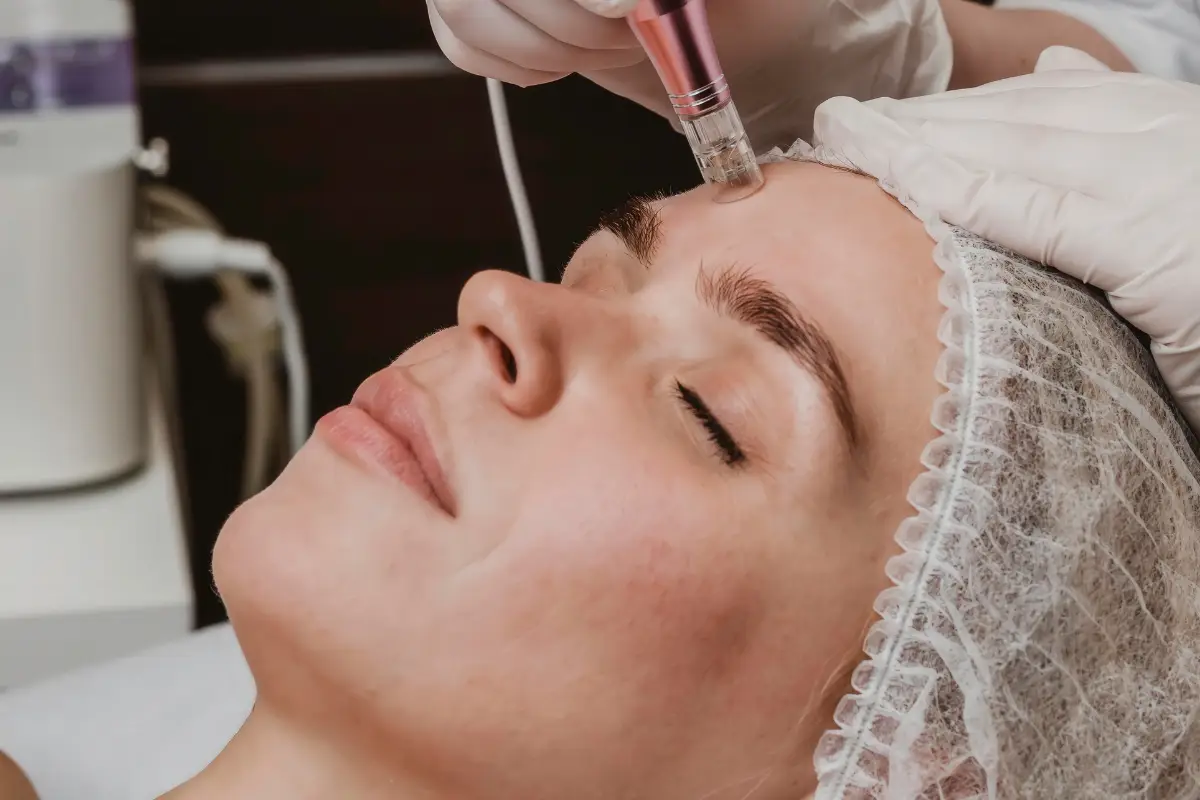
- Microneedling with exosomes for enhanced penetration
- Post-laser treatment to speed healing and boost results
- Standalone skin boosters for hydration and radiance
Treatments typically involve a series of sessions spaced weeks apart. Over time, patients report:
- Smoother, more radiant skin
- Reduced redness and inflammation
- Fewer fine lines and better elasticity
Can Exosomes Replace Botox Entirely?
Not quite, at least not yet. Botox remains the gold standard for dynamic wrinkles caused by muscle contractions. Exosomes are ideal for improving the quality of the skin itself. The two treatments serve different purposes:
- Botox treats the cause (muscle movement)
- Exosomes treat the canvas (skin condition)
Complement, Don’t Compete
The best results often come from a strategic combination. A small dose of Botox can soften expression lines, while exosomes rebuild and rejuvenate the skin’s underlying structure.
The Luxe Skin Philosophy: Regeneration Meets Precision
At Luxe Skin in Glasgow, Dr Q champions a modern, layered approach to anti-ageing. Rather than relying solely on Botox, treatments are tailored using both wrinkle-relaxing injections and biologic boosters to provide natural-looking, long-lasting results.
This includes:
- Conservative dosing for soft, expressive results
- Exosome therapy to improve skin health over time
- Combination plans for comprehensive rejuvenation
This philosophy is what places Luxe Skin at the forefront of Botox alternatives in the UK.
How Botox and Regenerative Treatments Are Combined
Botox and regenerative treatments answer different problems. Botox reduces the muscle movement that creates dynamic lines, while exosomes and similar treatments work on skin quality itself. Where the two are used together, the usual plan is to keep Botox in the areas that genuinely need it and let the regenerative side address texture and tone.
The concern raised most often is losing expression. Regenerative treatments do not restrict muscle movement at all, so they are worth discussing at consultation for anyone whose main objection to injectables is the fear of looking static.
Are There Other Botox Alternatives Worth Considering?
Yes, other biologic and regenerative treatments gaining traction include:
- PRP (Platelet-Rich Plasma): Uses your blood’s platelets to heal and rejuvenate
- Polynucleotides: Natural DNA fragments that stimulate fibroblasts
- Skin boosters with hyaluronic acid to deeply hydrate and improve skin tone
These alternatives work especially well when combined with exosomes or mild Botox to create a holistic, customised treatment plan.
Future-Proofing Your Skin: What’s Next?
The future of wrinkle treatment lies in preservation and prevention rather than correction. As we better understand skin biology, treatments will shift toward stimulating the body’s own repair mechanisms.
Expect to see more:
- Cell-based therapies with advanced peptides and stem cells
- Personalised skincare protocols guided by genetic testing
- Combination therapies that treat both cause and condition
The next frontier isn’t just about erasing lines. It’s about supporting healthy, resilient, biologically active skin.
Discover Luxe Skin’s Multi-Layered Approach to Facial Rejuvenation
Whether you’re a Botox devotee or exploring regenerative therapies, the future of aesthetic medicine lies in personalised, science-led care. At Luxe Skin, Dr Q offers expert guidance on the ideal mix of injectables and biologics tailored to your skin’s needs.
➡ Book your consultation today and experience the future of wrinkle treatment.
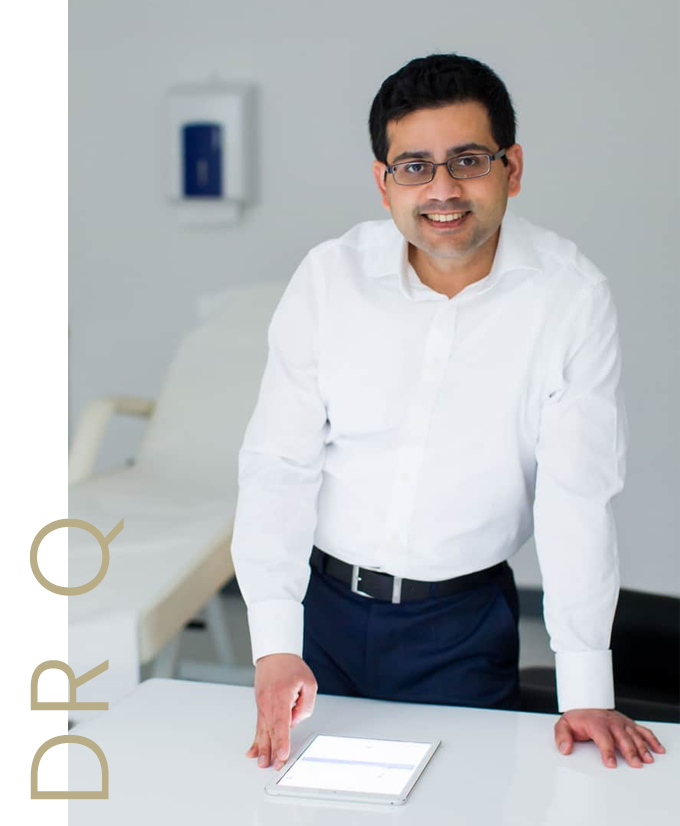
Dr Usman Qureshi (Dr Q) is a leading expert in aesthetic medicine with a 22 year career and a background spanning general practice, including A&E, and 12 years specialising in cosmetic procedures. A University of Glasgow graduate of 2002, he is the innovator behind the signature Q Lift, has performed over 20,000 procedures, and is an international speaker and trainer whose work has featured in Glamour and Harpers Bazaar.