In the ever-evolving world of aesthetic treatments, skin rejuvenation technologies continue to advance at a remarkable pace. For Glasgow residents seeking to address skin concerns such as texture irregularities, fine lines, acne scarring, and laxity, two popular options often come into consideration: traditional microneedling and the more advanced Morpheus8 treatment. While both share certain principles, the differences between them are significant and can substantially impact results.
This comprehensive guide explores how Morpheus8 compares to traditional microneedling, with specific considerations for Glasgow patients including recovery expectations in Scotland’s unique climate. Whether you’re new to aesthetic treatments or considering switching from traditional microneedling to Morpheus8, this detailed comparison will help you make an informed decision about which option might better suit your skin concerns and lifestyle.
Understanding the Basics: How Each Technology Works
Before diving into the differences, it’s essential to understand the fundamental mechanisms behind each treatment.
Traditional Microneedling: The Foundation Technology
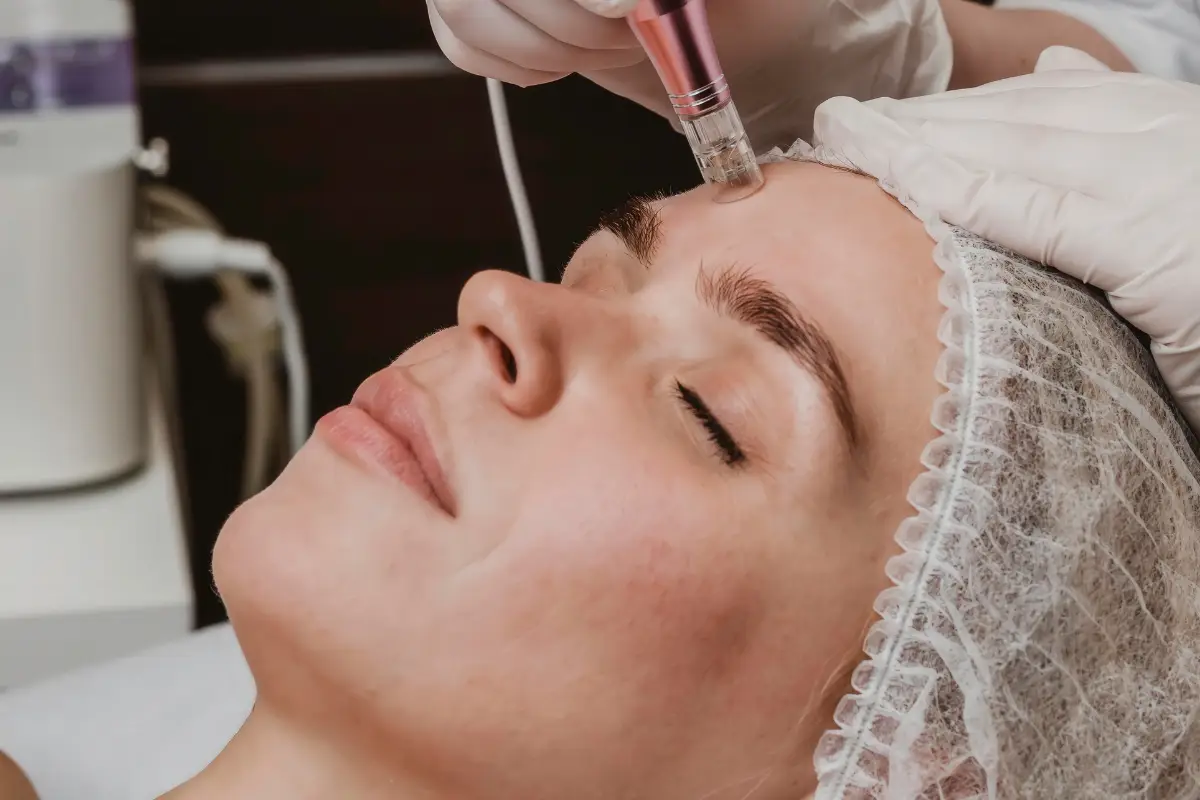
Traditional microneedling (also called collagen induction therapy) uses a device equipped with fine, short needles to create controlled micro-injuries in the skin’s surface. These devices typically include:
•Dermarollers, Handheld rollers with needle-covered drums
•Dermapens, Motorised devices that move needles vertically into the skin
•Dermastamps, Devices that “stamp” needles into targeted areas
The micro-injuries trigger the skin’s natural wound healing response, stimulating collagen and elastin production. Traditional microneedling typically reaches depths of 0.5-2.5mm, primarily affecting the epidermis and upper dermis.
Morpheus8: The Next-Generation Technology
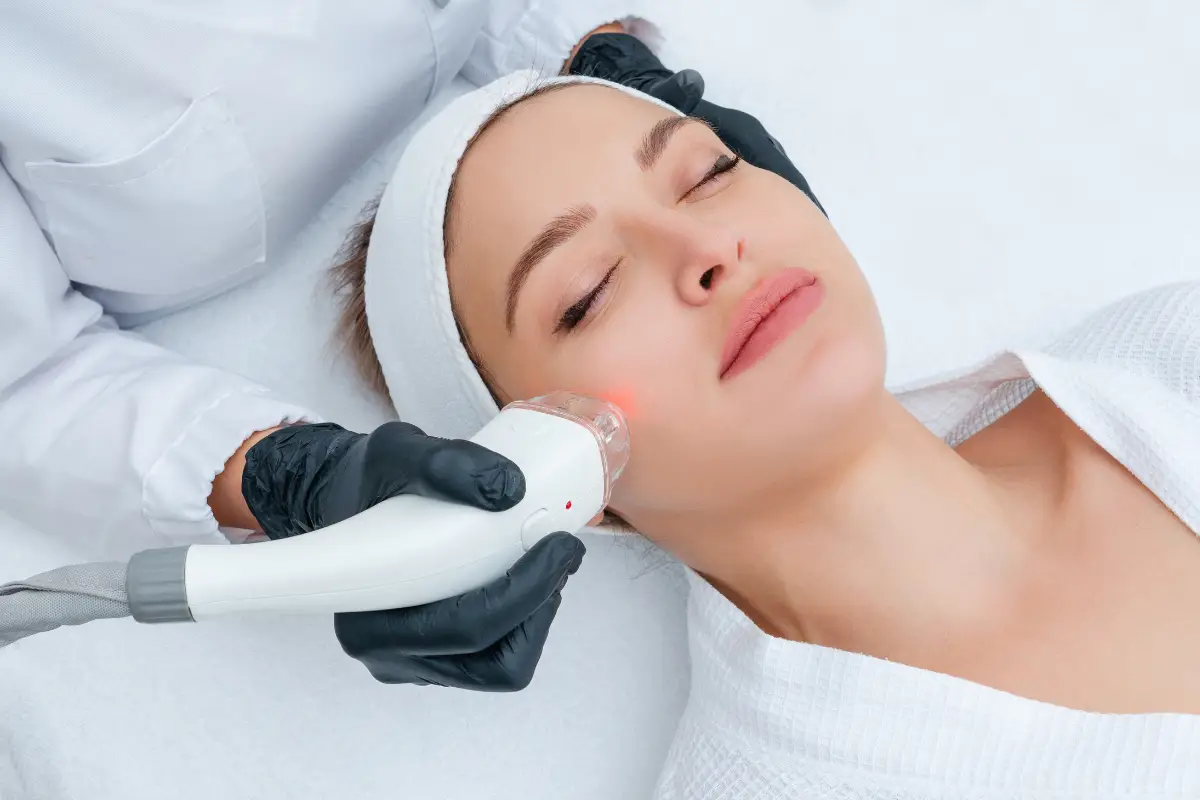
Morpheus8 represents a significant technological advancement, combining traditional microneedling with radiofrequency (RF) energy in a process known as fractional RF microneedling. Key components of this technology include:
•Gold-plated microneedles that deliver RF energy directly into the skin
•Adjustable penetration depths reaching up to 4mm (significantly deeper than traditional microneedling)
•Programmable energy delivery for customised treatment intensity
•Real-time temperature monitoring for safety and consistency
When the Morpheus8 needles penetrate the skin, they simultaneously deliver RF energy, creating a dual effect: the mechanical stimulation of microneedling plus thermal energy that contracts tissues and further stimulates collagen production.
Side-by-Side Comparison: Key Differences
To truly understand how these treatments differ, let’s examine them across several important parameters:
| Feature | Traditional Microneedling | Morpheus8 |
| Depth of Treatment | 0.5-2.5mm (epidermis and upper dermis) | Up to 4mm (reaches subcutaneous fat) |
| Energy Source | None (mechanical only) | Radiofrequency energy |
| Primary Effects | Collagen induction through micro-injury | Collagen induction plus tissue contraction and fat remodelling |
| Treatment Areas | Primarily facial skin | Face, neck, and body areas including abdomen, arms, legs |
| Session Duration | 30-60 minutes | 45-90 minutes |
| Number of Sessions Needed | 4-6 sessions for optimal results | 1-3 sessions for comparable or better results |
| Cost per Session | £150-£300 in Glasgow | £500-£1,200 in Glasgow |
| Downtime | 1-3 days of redness and mild swelling | 1-5 days of redness, swelling, and possible bruising |
| Results Longevity | 6-12 months | 12-24+ months |
Benefits Analysis: Where Each Treatment Excels
Understanding the relative strengths of each treatment helps determine which might be more appropriate for specific concerns.
Traditional Microneedling Strengths
Traditional microneedling continues to offer certain advantages:
1.Lower cost per session, More accessible as an entry-level treatment
2.Minimal downtime, Generally less intense recovery period
3.Good for mild texture issues, Effective for superficial concerns
4.Lower risk profile, Less chance of complications in inexperienced hands
5.Suitable for very thin skin, Can be used in areas where deeper treatment might be risky
Morpheus8 Strengths
Morpheus8 offers significant advantages that explain its growing popularity:
1.Deeper tissue remodelling, Addresses concerns at multiple skin levels
2.Fat modification capabilities, Can help contour subdermal fat
3.Skin tightening effects, The RF component provides immediate and progressive tightening
4.Fewer sessions required, More dramatic results in fewer treatments
5.Longer-lasting results, The dual-action mechanism creates more substantial changes
6.Customisable treatment parameters, Can be tailored precisely to different facial/body areas
7.Effective for more severe concerns, Better for moderate to significant texture issues, scarring, and laxity
Specific Skin Concerns: Which Treatment Works Better?
Different skin concerns respond differently to each treatment approach. Here’s how they compare for specific issues:
Fine Lines and Wrinkles
•Traditional Microneedling: Moderately effective for fine lines, particularly in younger patients with early signs of ageing. Requires multiple sessions and primarily addresses superficial wrinkles.
•Morpheus8: Significantly more effective for both fine lines and deeper wrinkles. The RF component stimulates more substantial collagen remodelling and provides additional skin tightening that addresses the underlying causes of wrinkles.
Acne Scarring
•Traditional Microneedling: Can improve the appearance of mild to moderate acne scarring over multiple sessions. Works best for rolling scars rather than deep, pitted scars.
•Morpheus8: Superior for moderate to severe acne scarring, including icepick and boxcar scars. The deeper penetration and RF energy help remodel scar tissue from below, creating more significant improvement in fewer sessions.
Skin Laxity
•Traditional Microneedling: Minimal effect on skin laxity. May provide slight improvement in skin firmness through collagen stimulation but cannot address moderate to severe sagging.
•Morpheus8: Excellent for mild to moderate skin laxity. The RF energy causes immediate tissue contraction and long-term collagen remodelling that significantly improves skin tightness on the face, neck, and body.
Hyperpigmentation
•Traditional Microneedling: Can help with mild hyperpigmentation by accelerating cell turnover, but results are gradual and limited.
•Morpheus8: More effective for addressing various forms of hyperpigmentation. The RF component helps break up melanin clusters while stimulating healthier skin cell production. Additionally, Morpheus8 is safe for all skin types, including darker skin tones that might be at risk for post-inflammatory hyperpigmentation with other treatments.
Enlarged Pores
•Traditional Microneedling: Moderately effective at reducing the appearance of enlarged pores through collagen stimulation around pore openings.
•Morpheus8: Superior for pore reduction due to its ability to remodel skin at deeper levels, creating more structural support around pores while tightening the overall skin surface.
Recovery Expectations in Scotland’s Summer Climate
Glasgow’s unique climate creates specific considerations for post-treatment recovery that patients should understand before choosing between these treatments.
Traditional Microneedling Recovery in Glasgow Summer
Glasgow summers, characterised by mild temperatures averaging 15-20°C (59-68°F) and moderate humidity, create generally favourable conditions for traditional microneedling recovery:
•Redness duration: Typically subsides within 24-48 hours
•Sun sensitivity: Moderate but manageable with SPF 50+
•Humidity impact: The moderate humidity helps maintain skin hydration during healing
•Outdoor considerations: Glasgow’s frequent cloud cover provides some natural UV protection, but sun protection remains essential
Recovery timeline:
•Day 1: Moderate redness, similar to sunburn
•Day 2: Fading redness, possible micro-flaking
•Day 3: Minimal visible signs of treatment for most patients
•Days 4-7: Return to normal skincare routine
Morpheus8 Recovery in Glasgow Summer
Morpheus8’s deeper action and RF component create a somewhat different recovery profile in Glasgow’s summer conditions:
•Redness and swelling: More pronounced initially, lasting 2-5 days
•Potential bruising: Possible in some areas, particularly under eyes or where skin is thinner
•Heat sensitivity: The treated skin may feel warm and more reactive to temperature changes
•Micro-lesion management: The entry points from the needles form tiny crusts that benefit from Glasgow’s moderate humidity (neither too dry nor too humid)
Recovery timeline:
•Days 1-2: More significant redness, swelling, and sensation of heat
•Days 3-4: Diminishing redness, possible micro-crusting at needle entry points
•Days 5-7: Resolving visible effects for most patients
•Days 7-14: Progressive improvement in skin texture and tone
Glasgow-Specific Recovery Recommendations
Based on local climate conditions, we recommend the following recovery approaches for Glasgow patients:
1.Seasonal timing consideration: Early summer treatments allow recovery before peak UV months
2.Indoor climate control: Maintain moderate home temperatures to reduce recovery redness
3.Glasgow-appropriate sun protection: Even on overcast days, UV protection is essential
4.Hydration strategy: Combat the drying effects of indoor heating/cooling systems
5.Follow-up scheduling: Plan around Glasgow’s summer events calendar for optimal social downtime
Cost-Benefit Analysis for Glasgow Patients
When considering the investment in either treatment, Glasgow patients should evaluate several factors beyond the simple price per session.
Traditional Microneedling Investment
In Glasgow, traditional microneedling typically costs:
•Average price per session: £150-£300
•Recommended course: 4-6 sessions
•Total investment: £600-£1,800
•Maintenance: Sessions every 3-6 months
Value considerations:
•Lower initial session cost
•More sessions required for optimal results
•More frequent maintenance needed
•Less dramatic improvement per session
Morpheus8 Investment
For Morpheus8 treatments in Glasgow:
•Average price per session: £500-£1,200 (varies by treatment area)
•Recommended course: 1-3 sessions
•Total investment: £500-£3,600
•Maintenance: Sessions every 12-18 months
Value considerations:
•Higher per-session cost
•Fewer total sessions required
•Less frequent maintenance needed
•More comprehensive results addressing multiple concerns simultaneously
Long-Term Economic Analysis
When analysed over a 3-year period, the economics often favour Morpheus8 despite the higher initial investment:
| Treatment | Initial Course | Maintenance (3 years) | Total 3-Year Cost | Results Quality |
| Traditional Microneedling | £1,200 (5 sessions) | £900 (6 maintenance sessions) | £2,100 | Moderate improvement |
| Morpheus8 | £2,000 (2 sessions) | £1,000 (1 maintenance session) | £3,000 | Significant improvement |
While Morpheus8 represents a higher total investment, the superior and longer-lasting results often provide better value over time, particularly for patients with moderate to significant concerns.
Patient Experiences: Real Results in Glasgow
Understanding real patient experiences helps contextualise the differences between these treatments.
Traditional Microneedling: Emma’s Experience
Emma, a 34-year-old Glasgow resident, underwent a series of six traditional microneedling treatments for mild acne scarring and texture concerns:
“The treatments were comfortable with the numbing cream, and recovery was quick, just a day of redness each time. After completing all six sessions over six months, I noticed improvement in my skin’s texture and some softening of my acne scars. The results were subtle but positive, and the lower cost per session made it accessible for me. I still maintain with sessions every six months.”
Key outcomes:
•Gradual improvement over multiple sessions
•Subtle but noticeable results
•Manageable recovery
•Ongoing maintenance required
Morpheus8: James’s Experience
James, a 42-year-old professional from Glasgow’s West End, chose Morpheus8 to address skin laxity along his jawline and texture concerns:
“The treatment itself was more intense than I expected, but manageable with the numbing provided. The recovery took about four days before I felt comfortable in client meetings, with some residual redness that was easily covered with tinted moisturiser. What impressed me was how quickly I saw changes. My jawline definition improved within weeks of the first treatment, and after my second session three months later, colleagues were asking if I’d lost weight because my face looked more contoured. It’s been 14 months, and the results are still going strong.”
Key outcomes:
•More significant improvement with fewer sessions
•Both immediate and progressive results
•Slightly longer recovery period
•Longer-lasting results with less maintenance
Combining Treatments: The Hybrid Approach
For some patients, a strategic combination of both treatments may offer optimal results.
Sequential Treatment Strategy
Some Glasgow dermatologists and aesthetic clinics recommend a sequential approach:
1.Initial Morpheus8 series (1-3 treatments) to address deeper concerns and create significant structural improvement
2.Maintenance with traditional microneedling for more affordable ongoing collagen stimulation
3.Periodic Morpheus8 “boosters” every 12-24 months
This approach balances the superior results of Morpheus8 with the more accessible maintenance of traditional microneedling.
Targeted Area Approach
Another strategy involves treating different areas with different technologies:
•Morpheus8 for areas requiring more significant improvement (lower face, neck, acne scars)
•Traditional microneedling for areas needing only mild improvement or maintenance
This targeted approach optimises both results and budget.
Frequently Asked Questions About Morpheus8 vs. Traditional Microneedling
Is Morpheus8 worth the higher cost compared to traditional microneedling?
For most patients with moderate to significant concerns, yes. Morpheus8 typically delivers superior results in fewer sessions with longer-lasting outcomes. The addition of radiofrequency energy creates effects that traditional microneedling cannot achieve, particularly for skin laxity and deeper textural concerns. However, for younger patients with very mild concerns or those seeking primarily preventative treatments, traditional microneedling may provide sufficient results at a lower price point.
Which treatment is better for sensitive skin?
Traditional microneedling is generally considered less aggressive and may be more suitable for extremely sensitive skin. However, Morpheus8 can be adjusted to various intensity levels, and at DR Q Luxe Skin, we carefully assess skin sensitivity and adjust treatment parameters accordingly. Many sensitive-skinned patients tolerate Morpheus8 well when proper pre- and post-treatment protocols are followed.
How do the treatments compare for darker skin tones?
Morpheus8 has a significant advantage for darker skin tones. Traditional microneedling carries a higher risk of post-inflammatory hyperpigmentation in Fitzpatrick skin types IV-VI. Morpheus8’s technology was specifically designed to be safe for all skin types, delivering RF energy beneath the skin’s surface rather than through it, substantially reducing hyperpigmentation risk.
Can I switch from traditional microneedling to Morpheus8?
Absolutely. Many patients begin with traditional microneedling and later transition to Morpheus8 when seeking more significant results or when addressing new concerns like skin laxity. There’s no contraindication to switching between these treatments, and previous microneedling can actually prepare the skin well for Morpheus8 treatment.
How do I maintain results after either treatment?
Maintenance for both treatments includes:
•Consistent sun protection (especially important in Glasgow despite frequent cloud cover)
•Medical-grade skincare with antioxidants and retinoids
•Periodic maintenance treatments
•Healthy lifestyle choices that support skin health
Morpheus8 results typically require maintenance every 12-18 months, while traditional microneedling results may need refreshing every 3-6 months.
Conclusion: Making the Right Choice for Your Skin
When deciding between traditional microneedling and Morpheus8, Glasgow patients should consider several factors:
1.Severity of concerns, More significant issues generally respond better to Morpheus8
2.Budget considerations, Initial investment vs. long-term value
3.Downtime tolerance, Personal and professional recovery time constraints
4.Result expectations, Desired degree of improvement
5.Maintenance commitment, Willingness to undergo regular treatments
At DR Q Luxe Skin in Glasgow, we offer both treatment options and provide personalised consultations to help determine which approach best suits your unique needs. Dr Q’s expertise in both technologies ensures optimal results regardless of which path you choose.
For many patients, Morpheus8 represents the gold standard in microneedling technology, offering superior results through its combination of mechanical and RF stimulation. However, traditional microneedling continues to provide value for specific patients and concerns.
We invite you to schedule a consultation to discuss which treatment would best address your specific skin concerns while accommodating your lifestyle, budget, and goals.
Book your skin assessment consultation with DR Q Luxe Skin, Glasgow’s leading aesthetic clinic.
Luxe Skin, Aesthetic Clinic by Doctor Q
227 Ingram St, Glasgow G1 1DA, United Kingdom
Book your Morpheus8 in glasgow
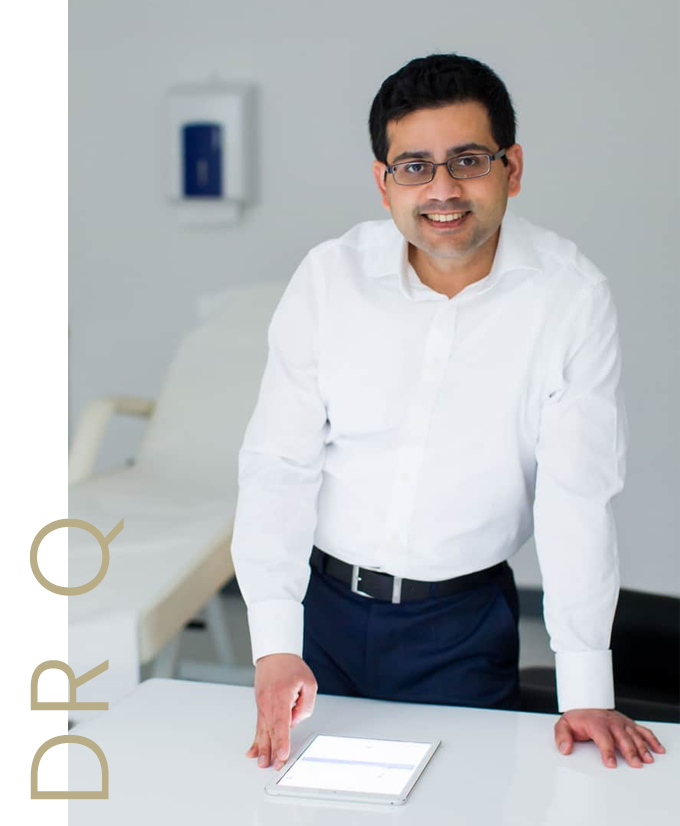
Dr Usman Qureshi (Dr Q) is a leading expert in aesthetic medicine with a 22 year career and a background spanning general practice, including A&E, and 12 years specialising in cosmetic procedures. A University of Glasgow graduate of 2002, he is the innovator behind the signature Q Lift, has performed over 20,000 procedures, and is an international speaker and trainer whose work has featured in Glamour and Harpers Bazaar.