
Introduction: The Evolution of Regenerative Aesthetics
The field of aesthetic medicine has witnessed remarkable advancements in recent years, with treatments evolving from simply masking signs of ageing to fundamentally addressing their underlying causes. Among these innovations, exosome therapy has emerged as one of the newest regenerative treatments in clinical use, and it works differently from most: rather than temporarily improving how skin looks, it prompts the skin’s own repair processes at the cellular level.
At Luxe Skin by Dr Q in Glasgow, this advanced therapy has been carefully integrated into the clinic’s comprehensive treatment offerings, providing patients with access to one of the most sophisticated regenerative technologies available in aesthetic medicine today. Unlike traditional treatments that offer temporary improvements, exosome therapy works with your body’s own cellular mechanisms to create lasting changes in skin quality, texture, and appearance.
This article explains the science behind exosome therapy, how it compares to other regenerative treatments, what Glasgow patients can expect during and after treatment, and why this innovative approach represents the future of aesthetic medicine. Whether you’re concerned about signs of ageing, seeking to improve specific skin conditions, or simply interested in the latest advancements in skin rejuvenation, this guide provides the authoritative information you need to understand exosome therapy and its potential benefits.
Understanding Exosomes: The Cellular Messengers
Before exploring the therapeutic applications of exosomes, it’s essential to understand what these remarkable cellular components are and how they function in the body.
What Are Exosomes?
Exosomes are tiny extracellular vesicles (EVs) with several distinctive characteristics:
•Size: Extremely small, typically 30-150 nanometers in diameter (about 1/1000th the width of a human hair)
•Origin: Released by virtually all cell types in the body
•Structure: Membrane-bound vesicles containing a specific cargo of proteins, lipids, and nucleic acids
•Function: Act as intercellular communication vehicles, transferring genetic information and proteins between cells
•Discovery: First observed in the 1980s, but their significance in cellular communication has only been fully appreciated in the last decade
•Composition: Contains over 1,000 different signalling proteins and hundreds of types of RNA molecules
The Biological Role of Exosomes
In the body, exosomes serve several critical functions:
1.Cell-to-Cell Communication: Transmit signals between cells, even over long distances
2.Genetic Information Transfer: Deliver mRNA and microRNA that can alter recipient cell behaviour
3.Protein Delivery: Transport functional proteins that influence cellular activities
4.Immune Regulation: Modulate immune responses and inflammation
5.Tissue Repair: Coordinate healing processes after injury
6.Developmental Processes: Guide cellular differentiation and tissue formation
Exosomes in Skin Biology
The skin’s natural processes rely heavily on exosome-mediated communication:
Normal Skin Function:
•Coordinate keratinocyte proliferation and differentiation
•Regulate melanocyte activity and pigmentation
•Maintain dermal fibroblast function and collagen production
•Control hair follicle cycling and regeneration
•Mediate wound healing responses
Age-Related Changes:
•Altered exosome content and function with ageing
•Decreased regenerative signalling
•Reduced collagen-stimulating factors
•Increased inflammatory mediators
•Compromised intercellular communication
The Science of Therapeutic Exosomes
Exosomes used in aesthetic treatments have specific properties:
Sources of Therapeutic Exosomes:
•Mesenchymal stem cells (most common source)
•Fibroblasts
•Platelets
•Adipose-derived stem cells
•Specialised cell cultures
Key Components:
•Growth factors (including EGF, FGF, VEGF, TGF-β)
•Cytokines and chemokines
•Messenger RNA and microRNA
•Signalling proteins
•Enzymes and regulatory molecules
Mechanism of Action:
•Penetration into target tissues
•Fusion with recipient cell membranes
•Delivery of bioactive cargo
•Alteration of cellular behaviour
•Activation of regenerative pathways
“Exosomes represent a paradigm shift in how we approach skin regeneration. Rather than simply adding ingredients topically or stimulating tissues mechanically, we’re delivering the actual cellular communication tools that orchestrate natural regeneration. It’s like providing the skin with the complete instruction manual for rejuvenation.” Dr Q, Luxe Skin by Dr Q
The Science Behind Exosome Therapy: Mechanism of Action
Understanding how exosome therapy works at the cellular and molecular level helps explain its remarkable regenerative capabilities.
How Exosomes Work in Aesthetic Treatments
The therapeutic process involves several sophisticated biological mechanisms:
1. Delivery and Penetration
The journey begins with precise application:
•Administration Methods: Microinjection, microneedling-assisted delivery, or specialised infusion
•Penetration Enhancers: Often combined with techniques that improve dermal delivery
•Target Tissues: Primarily epidermis, dermis, and hair follicles
•Distribution Pattern: Strategic placement for optimal coverage and effect
•Depth Control: Customised to target specific skin layers based on treatment goals
2. Cellular Uptake
Once delivered, exosomes interact with target cells:
•Membrane Fusion: Direct merging with cell membranes
•Endocytosis: Cellular engulfment of exosomes
•Receptor-Mediated Uptake: Binding to specific cell surface receptors
•Selective Targeting: Preferential uptake by cells requiring regeneration
•Rapid Internalisation: Typically occurs within hours of application
3. Cargo Delivery
The critical transfer of bioactive molecules:
•RNA Transfer: Delivery of messenger RNA and microRNA that can alter gene expression
•Protein Delivery: Introduction of growth factors, cytokines, and enzymes
•Lipid Transfer: Membrane components that influence cellular function
•Metabolite Delivery: Small molecules that affect cellular metabolism
•Signalling Activation: Triggering of specific cellular pathways
4. Cellular Reprogramming
The profound changes in cellular behaviour:
•Gene Expression Modification: Activation or suppression of specific genes
•Protein Synthesis Alteration: Changes in the production of structural and functional proteins
•Metabolic Shifts: Adjustments in cellular energy production and utilisation
•Cell Cycle Regulation: Influence on proliferation and renewal rates
•Functional Adaptation: Changes in cellular activities and specialisation
Key Regenerative Pathways Activated
Exosome therapy triggers several specific biological pathways:
| Pathway | Function | Aesthetic Benefit |
| Wnt/β-catenin Signalling | Controls stem cell activity and tissue regeneration | Enhanced cellular renewal and tissue remodelling |
| TGF-β Pathway | Regulates collagen production and matrix formation | Improved skin structure and reduced wrinkles |
| MAPK/ERK Cascade | Mediates cellular responses to growth factors | Accelerated healing and tissue repair |
| PI3K/Akt Pathway | Controls cell survival and metabolism | Increased cellular longevity and function |
| JAK/STAT Signalling | Regulates immune responses and inflammation | Reduced inflammatory ageing (“inflammageing”) |
Tissue-Specific Effects
Exosome therapy affects different skin components in specific ways:
Epidermal Effects:
•Stimulation of keratinocyte proliferation
•Enhancement of barrier function
•Regulation of melanocyte activity
•Improvement in epidermal thickness
•Normalisation of cell turnover
Dermal Effects:
•Activation of fibroblasts
•Increased collagen and elastin production
•Enhanced extracellular matrix quality
•Improved dermal-epidermal junction
•Optimised ground substance composition
Vascular Effects:
•Promotion of angiogenesis (new vessel formation)
•Improvement in microcirculation
•Enhanced nutrient delivery
•Better waste removal
•Optimised tissue oxygenation
Follicular Effects:
•Stimulation of hair follicle stem cells
•Regulation of growth cycle
•Improvement in follicle microenvironment
•Enhanced shaft quality
•Normalisation of sebaceous gland function
The Timeline of Regeneration
The biological effects of exosome therapy unfold over a specific timeline:
Immediate Phase (Hours to Days):
•Initial uptake by target cells
•Early gene expression changes
•Reduction in inflammatory markers
•Beginning of cellular reprogramming
•Activation of rapid response pathways
Intermediate Phase (Days to Weeks):
•Increased cellular proliferation
•Enhanced protein synthesis
•Beginning of matrix remodelling
•Visible improvements in skin quality
•Continued regenerative signalling
Long-Term Phase (Weeks to Months):
•Sustained collagen remodelling
•Structural improvements in skin architecture
•Optimised cellular function
•Lasting changes in tissue quality
•Establishment of healthier skin homeostasis
Comparing Exosome Therapy to Traditional Regenerative Treatments
To appreciate the unique benefits of exosome therapy, it’s helpful to understand how it compares to other regenerative approaches in aesthetic medicine.
Exosomes vs. Platelet-Rich Plasma (PRP)
Both treatments work with the body’s own regenerative signals, but they differ in several ways:
| Feature | Exosome Therapy | Platelet-Rich Plasma (PRP) |
| Source | Laboratory-cultured stem cells | Patient’s own blood |
| Composition | Purified exosomes with consistent composition | Variable mix of platelets, growth factors, and plasma |
| Preparation | Professionally manufactured under controlled conditions | Prepared on-site from blood draw |
| Standardisation | Highly standardised content and potency | Varies based on patient health and processing |
| Application | Direct application or microneedling-assisted | Injection or microneedling-assisted |
| Discomfort | Minimal discomfort during application | Requires blood draw and may cause more injection site reactions |
| Downtime | Minimal to none | Typically 1-3 days of redness and swelling |
| Results Timeline | Progressive improvement over 2-3 months | Visible changes within 3-4 weeks |
| Treatment Frequency | Typically 1-3 sessions | Often requires 3+ sessions |
| Ideal Candidates | Suitable for most skin types and conditions | Best for patients with good overall health and platelet function |
Clinical Perspective: “While PRP has been a staple in regenerative aesthetics, exosome therapy represents a significant advancement. The consistency of exosome composition eliminates the variability we see with PRP, where results can differ based on a patient’s health status. At Luxe Skin by Dr Q, we find exosome therapy particularly valuable for patients who haven’t responded optimally to PRP or who prefer not to have blood drawn.” Dr Q
Exosomes vs. Stem Cell Treatments
Though related, these approaches differ in several important ways:
| Feature | Exosome Therapy | Stem Cell Treatments |
| What’s Applied | Cell-free vesicles containing regenerative factors | Actual living cells |
| Safety Profile | No risk of unwanted cell growth or differentiation | Theoretical risk of inappropriate cell behaviour |
| Regulatory Status | Generally classified as cell-free products | More stringently regulated as cellular therapies |
| Mechanism | Delivers signals that instruct existing cells | Introduces new cells that may engraft or signal |
| Storage & Handling | More stable, easier to preserve | Requires careful handling to maintain cell viability |
| Consistency | Highly consistent between batches | May vary in potency and behaviour |
| Immunogenicity | Minimal immune reaction | Potential for immune recognition and reaction |
| Application Versatility | Easily combined with various delivery methods | More limited delivery options |
| Cost Factors | Generally more affordable than full stem cell treatments | Typically higher cost due to cell processing requirements |
Clinical Perspective: “Exosome therapy captures the regenerative benefits of stem cells without the complexities and potential concerns of cellular treatments. We’re essentially using the signalling molecules that stem cells rely on, rather than the cells themselves. This approach aligns with the growing understanding that stem cells primarily work through their secreted factors rather than by becoming new tissue cells.” Dr Q
Exosomes vs. Growth Factor Serums
Both deliver regenerative molecules, but through different vehicles:
| Feature | Exosome Therapy | Growth Factor Serums |
| Delivery System | Natural biological vesicles that facilitate cellular uptake | Topical solutions with limited penetration capability |
| Content Complexity | Complete package of synergistic factors in natural ratios | Selected growth factors in formulated concentrations |
| Penetration | Enhanced cellular uptake due to natural membrane fusion | Limited by skin barrier function |
| Stability | Protected within vesicle structure | More vulnerable to degradation |
| Signalling Duration | Prolonged effect as vesicles continue releasing contents | Shorter duration of action |
| Cellular Response | Comprehensive activation of multiple pathways | More limited pathway activation |
| Natural Integration | Mimics body’s own intercellular communication | Less physiological delivery method |
| Customisation | Specific exosome types for different indications | Formulations with selected growth factor combinations |
| Application Method | Professional application with specialised techniques | Often available for at-home use |
Clinical Perspective: “Growth factor serums represented an important step forward in skincare, but exosome therapy takes the concept to a new level. The natural vesicle structure of exosomes solves the delivery problem that limits topical growth factors, allowing for much more efficient transfer of regenerative signals to target cells. It’s like comparing a precision-guided delivery system to a general broadcast approach.” Dr Q
Exosomes vs. Energy-Based Treatments
These approaches stimulate regeneration through fundamentally different mechanisms:
| Feature | Exosome Therapy | Energy-Based Treatments (Laser, RF, Ultrasound) |
| Mechanism | Direct delivery of regenerative signals | Controlled damage that triggers healing response |
| Patient Experience | Comfortable application with minimal sensation | Often involves heat, discomfort, or sensation |
| Downtime | Minimal to none | Varies from none to several days depending on intensity |
| Tissue Impact | Minimal tissue disruption | Intentional tissue disruption to trigger healing |
| Specificity | Precisely targeted biological effects | Broader stimulation of healing response |
| Customisation | Different exosome formulations for specific concerns | Adjustable energy parameters for different concerns |
| Combination Potential | Excellent synergy with energy-based treatments | Can be enhanced by adding biological treatments |
| Ideal Timing | Can be performed year-round | Some seasonal limitations (sun exposure concerns) |
| Maintenance | Typically fewer maintenance sessions required | Often requires regular maintenance treatments |
Clinical Perspective: “At Luxe Skin by Dr Q, we often find the most remarkable results come from combining exosome therapy with energy-based treatments. The energy-based treatment creates the optimal environment for regeneration, while exosomes provide the precise instructions for how that regeneration should proceed. It’s a powerful synergy that addresses both the stimulus for renewal and the quality of the renewal process itself.” Dr Q
How it compares with what came before: people considering exosome therapy have often already tried PRP or laser. The difference in approach is that exosomes work on skin quality through cell signalling rather than by resurfacing or by injury alone, so the change reported is usually in overall texture and tone rather than in one specific line. Effects develop over the months after treatment and vary between individuals.
Applications of Exosome Therapy in Aesthetic Medicine
Exosome therapy offers versatile applications across a range of aesthetic concerns, with specific protocols for different conditions.
Facial Rejuvenation
The most common application addresses multiple signs of ageing:
Target Concerns:
•Fine lines and wrinkles
•Skin laxity and reduced elasticity
•Textural irregularities
•Dullness and uneven tone
•Overall skin quality and vitality
Treatment Approach:
•Comprehensive facial application
•Often combined with microneedling for enhanced delivery
•Strategic concentration in areas of greater concern
•Customised protocols based on skin condition and age
•Potential combination with complementary treatments
Expected Results:
•Progressive improvement in skin texture and firmness
•Reduction in fine line depth and visibility
•Enhanced skin luminosity and radiance
•More even tone and improved clarity
•Overall “refreshed” appearance without obvious intervention
Specific Concern Targeting
Exosome therapy can be tailored to address particular aesthetic issues:
Periorbital Rejuvenation (Eye Area)
Target Concerns:
•Fine lines and crow’s feet
•Under-eye hollowing
•Thin, crepey skin texture
•Dark circles with vascular component
•Upper eyelid laxity
Specialised Approach:
•Precise micro-injection or microneedling
•Customised exosome formulations for delicate eye area
•Often combined with complementary treatments
•Careful depth control for safety
•Multiple sessions for optimal results
Expected Outcomes:
•Smoother appearance of fine lines
•Improved skin density and thickness
•Enhanced microcirculation
•Reduction in hollowing appearance
•More open, refreshed eye appearance
Neck and Décolletage Rejuvenation
Target Concerns:
•Horizontal neck lines
•Crepey skin texture
•Sun damage and pigmentation
•Loss of definition in neck contour
•General skin quality concerns
Specialised Approach:
•Broader application area
•Adjusted concentrations for thinner skin
•Often combined with other neck treatments
•Attention to often-neglected décolletage
•Comprehensive approach to visible ageing areas
Expected Outcomes:
•Improved skin texture and quality
•Reduction in fine line visibility
•Enhanced skin firmness
•More even pigmentation
•Better harmony between face and neck appearance
Hair Restoration
A growing application with promising results:
Target Concerns:
•Hair thinning and reduced density
•Compromised follicle function
•Poor scalp environment
•Early to moderate hair loss
•Reduced hair quality and thickness
Specialised Approach:
•Scalp-specific exosome formulations
•Direct injection into the scalp
•Strategic placement in areas of concern
•Series of treatments for progressive results
•Often combined with other hair restoration approaches
Expected Outcomes:
•Enhanced hair shaft thickness
•Improved growth cycle regulation
•Increased hair density over time
•Better scalp health and environment
•Synergistic benefits when combined with other treatments
Scar Improvement
Exosome therapy shows particular promise for aesthetic scar concerns:
Target Concerns:
•Acne scarring
•Surgical scars
•Traumatic scars
•Stretch marks
•Textural irregularities
Specialised Approach:
•Direct application to scar tissue
•Often combined with microneedling or RF microneedling
•Multiple sessions for progressive improvement
•Comprehensive approach to scar remodelling
•Customised protocols based on scar type and age
Expected Outcomes:
•Improved scar texture and pliability
•Reduced visibility and prominence
•Better colour match with surrounding skin
•Enhanced overall appearance
•Continued improvement over multiple sessions
Post-Procedure Recovery Enhancement
Exosomes can significantly improve healing after other aesthetic treatments:
Applications:
•After laser treatments
•Following RF microneedling
•Post-surgical recovery
•After chemical peels
•Following aggressive aesthetic procedures
Benefits:
•Accelerated healing time
•Reduced inflammation and redness
•Decreased risk of post-inflammatory hyperpigmentation
•Enhanced quality of tissue repair
•Optimised long-term results from primary procedure
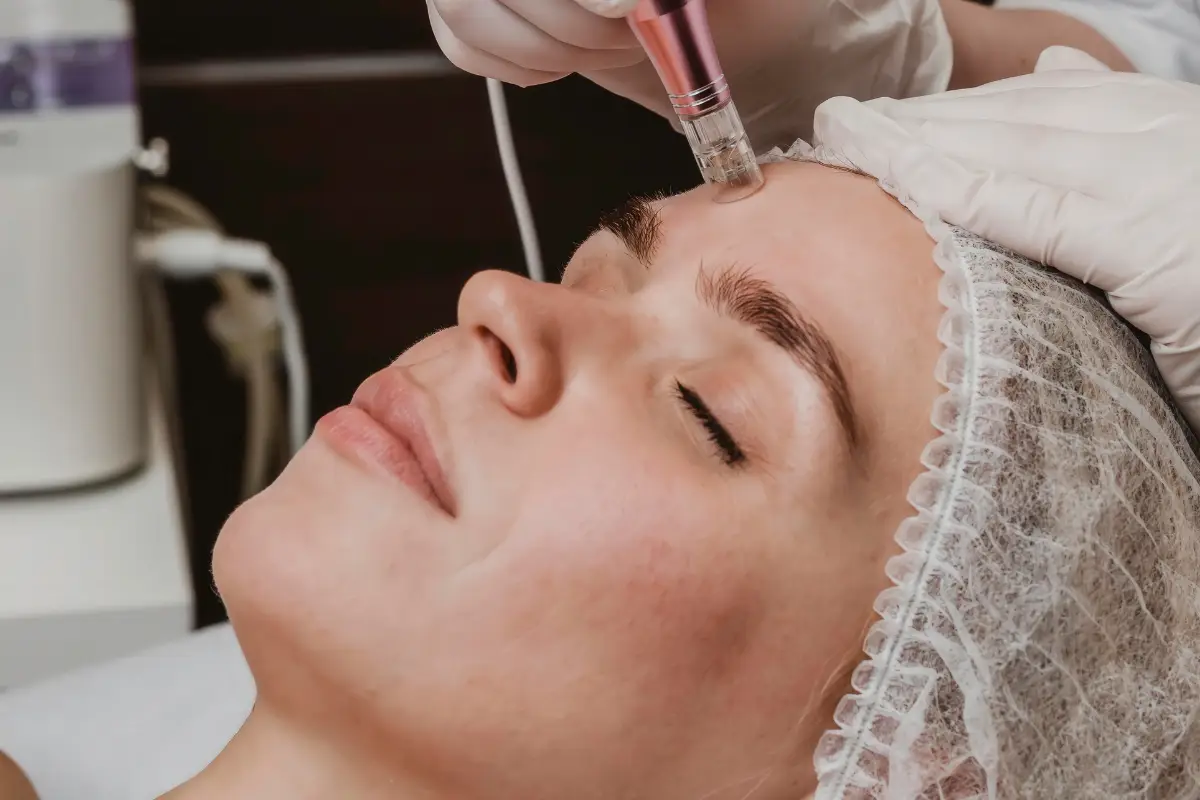
Combining it with microneedling: for established acne scarring, exosomes are commonly paired with radiofrequency microneedling rather than used alone, the microneedling creating the channels and the exosome preparation supporting the repair that follows. Reduced downtime compared with microneedling alone is a commonly reported benefit, and a course of around three sessions is typical.
The Treatment Experience at Luxe Skin by Dr Q
Understanding the complete treatment journey helps patients prepare appropriately and maintain realistic expectations.
Comprehensive Consultation Process
The journey begins with a thorough assessment:
Initial Assessment:
•Detailed skin analysis and photography
•Discussion of aesthetic concerns and goals
•Review of previous treatments and results
•Evaluation of skin quality and condition
•Assessment of suitability for exosome therapy
Treatment Planning:
•Customised protocol recommendation
•Discussion of expected outcomes and timeline
•Review of complementary treatment options
•Presentation of previous similar cases
•Opportunity for questions and concerns
Pre-Treatment Guidance:
•Skincare adjustments before treatment
•Sun protection recommendations
•Medication and supplement considerations
•Lifestyle optimisation suggestions
•Setting realistic expectations
The Procedure: Step by Step
What happens during your exosome therapy appointment:
Preparation:
•Arrival at Luxe Skin by Dr Q’s Glasgow clinic
•Removal of makeup and thorough cleansing
•Application of topical numbing cream if needed
•Final photographs and treatment planning
•Comfort measures and preparation
The Application Process:
•Duration: Typically 30-60 minutes depending on areas treated
•Sensation: Minimal discomfort with most application methods
•Delivery Methods: May include microneedling, direct injection, or specialised infusion
•Technique: Precise application following predetermined treatment map
•Immediate Aftercare: Soothing and protective measures
Post-Procedure:
•Application of specialised post-treatment products
•Detailed aftercare instructions
•Scheduling of follow-up assessment
•Guidance on complementary home care
•Information on what to expect in coming days
Recovery and Results Timeline
What to expect in the days, weeks, and months following treatment:
Immediate (0-24 hours):
•Possible mild redness depending on delivery method
•Slight sensitivity in treated areas
•Initial hydration boost and subtle glow
•No significant downtime for most patients
•Ability to return to normal activities immediately
Early Phase (Days 1-7):
•Resolution of any application-related redness
•Beginning of early cellular responses
•Initial improvements in skin hydration and texture
•Comfortable and uneventful recovery period
•Compliance with recommended aftercare
Results Phase (Weeks 2-8):
•Progressive improvements in skin quality
•Noticeable enhancement in texture and tone
•Reduction in fine lines and improved firmness
•Continued evolution of results
•Optimal timing for progress photographs
Maximum Effect (Months 2-3):
•Full manifestation of regenerative benefits
•Significant improvement in treated concerns
•Natural-looking enhancement in skin quality
•Stable and long-lasting results
•Opportunity for assessment and maintenance planning
Treatment Protocols and Frequency
Typical treatment approaches for optimal results:
Standard Protocol:
•Initial series of 1-3 treatments spaced 4-6 weeks apart
•Comprehensive assessment after initial series
•Maintenance treatments every 6-12 months
•Adjustment based on individual response and goals
•Integration with overall skin health regimen
Factors Affecting Protocol:
•Age and skin condition
•Severity of concerns being addressed
•Individual regenerative capacity
•Combination with other treatments
•Desired outcome timeline
Customisation Elements:
•Exosome concentration and formulation
•Delivery method and technique
•Treatment frequency and spacing
•Complementary procedures
•Supporting home care regimen
Maintenance and Long-Term Results
Strategies for preserving and enhancing treatment benefits:
Ongoing Care Recommendations:
•Comprehensive sun protection
•Medical-grade skincare regimen
•Periodic maintenance treatments
•Healthy lifestyle practices
•Regular skin assessments
Result Longevity Factors:
•Age and intrinsic ageing rate
•Environmental exposure
•Lifestyle factors (smoking, diet, stress)
•Skincare compliance
•Overall health status
Complementary Approaches:
•Supporting treatments for comprehensive results
•Home care protocols to enhance outcomes
•Nutritional support for skin health
•Stress management for optimal results
•Skin ageing treated as a whole, rather than one concern at a time
Safety, Considerations, and Patient Selection
While exosome therapy is generally very safe, understanding important considerations ensures optimal outcomes and appropriate expectations.
Safety Profile of Exosome Therapy
The overall safety characteristics of this advanced treatment:
General Safety:
•Non-cellular therapy with excellent safety record
•No risk of unwanted cell growth or differentiation
•Minimal risk of allergic or adverse reactions
•Well-tolerated by most patients
•Extensive safety testing of commercial preparations
Quality Assurance:
•Rigorous manufacturing standards
•Testing for sterility and purity
•Standardised potency and composition
•Traceable sourcing and production
•Compliance with regulatory requirements
Potential Side Effects
Most patients experience minimal side effects:
Common and Temporary:
•Mild redness at application sites (1-24 hours)
•Slight swelling or sensitivity (1-48 hours)
•Temporary skin flushing during treatment
•Minor bruising with injection delivery (3-7 days)
•Transient skin sensitivity
Rare but Possible:
•Prolonged redness or sensitivity
•Mild allergic reaction
•Temporary acneiform eruptions
•Uneven results requiring touch-up
•Insufficient response to treatment
Ideal Candidates
Characteristics of patients who typically benefit most:
Optimal Candidates:
•Early to moderate signs of skin ageing
•Good overall health status
•Realistic expectations about results
•Commitment to sun protection and skincare
•Interest in natural-looking, progressive improvement
Less Ideal Candidates:
•Advanced or severe skin ageing
•Active skin infections or inflammatory conditions
•History of keloid scarring or poor wound healing
•Pregnancy or breastfeeding
•Unrealistic expectations about results
Contraindications
Situations where exosome therapy may not be appropriate:
Absolute Contraindications:
•Known allergy to any component of the exosome preparation
•Active skin infection in the treatment area
•Pregnancy and breastfeeding
•Certain autoimmune conditions affecting the skin
•Active cancer or history of skin cancer in treated areas
Relative Contraindications:
•History of poor wound healing
•Tendency toward post-inflammatory hyperpigmentation
•Keloid-forming tendency
•Unrealistic expectations
•Recent treatment with certain medications
Special Considerations for Glasgow Patients
Local factors that influence treatment planning and outcomes:
Climate Considerations:
•Lower UV exposure than southern regions (beneficial for recovery)
•Higher humidity affecting skin hydration status
•Seasonal variations in skin condition
•Indoor heating effects during colder months
•Environmental factors specific to urban Glasgow
Lifestyle Adaptations:
•Guidance for Glasgow’s social and professional environment
•Timing considerations for local events and seasons
•Post-treatment activities suitable for local climate
•Regional skincare adjustments
•Local resources for supporting treatments
Frequently Asked Questions About Exosome Therapy
How does exosome therapy differ from stem cell treatments?
Exosome therapy and stem cell treatments represent different approaches to regenerative medicine, though they’re closely related. Exosome therapy utilises the communication vesicles that stem cells produce rather than the cells themselves. These exosomes contain the signalling molecules, growth factors, and genetic material that direct cellular behaviour and regeneration. The key difference is that exosome therapy is cell-free, eliminating concerns about unwanted cell growth or differentiation that can theoretically occur with stem cell treatments. At Luxe Skin by Dr Q in Glasgow, we find exosome therapy offers several advantages: it’s more stable and easier to standardise, has a superior safety profile, and can be delivered through various methods including microneedling and direct application. While stem cell treatments introduce new cells that may engraft or signal existing tissues, exosome therapy works by delivering precise instructions to your body’s own cells, essentially providing them with a regeneration blueprint. This approach aligns with current understanding that stem cells primarily work through their secreted factors rather than by becoming new tissue cells.
How long do results from exosome therapy last?
Results from exosome therapy develop progressively and tend to have excellent longevity compared to many other aesthetic treatments. Most patients notice initial improvements in skin quality, hydration, and texture within the first 2-3 weeks after treatment. These changes continue to develop, with optimal results typically visible around 2-3 months post-treatment as the full regenerative cascade completes. The longevity of these results varies based on individual factors including age, lifestyle, sun exposure, and skincare regimen, but most patients enjoy improvements lasting 12-18 months from a standard treatment protocol. At Luxe Skin by Dr Q in Glasgow, Dr Q typically recommends an initial series of 1-3 treatments spaced 4-6 weeks apart, followed by maintenance treatments every 6-12 months to preserve and enhance results. Unlike treatments that create temporary changes that dissipate as products break down, exosome therapy stimulates your skin’s own regenerative processes, creating more sustainable improvements. With proper skincare, sun protection, and periodic maintenance, the benefits can be preserved for extended periods.
Is exosome therapy painful, and is there downtime?
Exosome therapy at Luxe Skin by Dr Q in Glasgow is designed to be a comfortable experience with minimal downtime. The sensation during treatment varies depending on the delivery method used. When applied following microneedling, patients typically experience the same mild discomfort associated with standard microneedling, which most describe as tolerable with topical numbing. When delivered through direct injection, the process involves tiny injections that cause minimal discomfort, especially with the use of ultra-fine needles and topical anaesthesia. As for downtime, exosome therapy is known for its favourable recovery profile. Most patients experience only mild redness for 12-24 hours following treatment, with some experiencing slight sensitivity that resolves within 48 hours. This minimal downtime makes exosome therapy particularly appealing for busy professionals in Glasgow who cannot afford significant recovery periods. The treatment is typically scheduled with no social downtime, allowing patients to return to normal activities immediately, though sun protection is essential following treatment. This favourable comfort and recovery profile contributes to exosome therapy’s growing popularity as a “lunchtime” regenerative treatment.
How does exosome therapy compare to PRP (Platelet-Rich Plasma)?
Both exosome therapy and PRP use regenerative signals to prompt skin renewal, but they differ in several important ways. PRP uses concentrated platelets from your own blood to release growth factors, while exosome therapy delivers purified exosomes derived from cultured stem cells. The key advantages of exosome therapy include consistency and standardisation: each treatment delivers a precise, measured dose of regenerative factors, unlike PRP which varies based on the patient’s health and platelet quality. At Luxe Skin by Dr Q in Glasgow, Dr Q finds exosome therapy particularly valuable for patients who haven’t responded optimally to PRP or prefer to avoid blood draws. Exosome therapy also offers a more refined delivery system, as exosomes are specifically designed by nature to transfer regenerative signals between cells. The treatment process is more straightforward, eliminating the blood draw and processing time required for PRP. While both treatments stimulate collagen production and tissue regeneration, exosome therapy typically requires fewer sessions (1-3 versus 3-6 for PRP) and often produces more consistent results across different patients. For many, exosome therapy represents the next evolution in regenerative aesthetics beyond PRP.
Can exosome therapy be combined with other treatments?
Exosome therapy works exceptionally well in combination with other aesthetic treatments, often enhancing their results while improving recovery. At Luxe Skin by Dr Q in Glasgow, Dr Q frequently combines exosome therapy with energy-based treatments like radiofrequency microneedling, laser therapy, or ultrasound treatments. This combination creates a powerful synergy: the energy-based treatment stimulates the regenerative environment while exosomes provide precise instructions for optimal healing and regeneration. The timing of combined treatments depends on the specific procedures involved. For instance, exosomes may be applied immediately following microneedling or laser treatment to enhance results and reduce downtime, or they might be scheduled as a separate session for other treatment combinations. Exosome therapy also complements injectable treatments like dermal fillers and neurotoxins, though these are typically scheduled separately with appropriate spacing. When developing treatment plans, Dr Q considers the comprehensive aesthetic goals, creating a plan that uses what each treatment is best at. This combination approach often delivers superior results compared to any single treatment, addressing multiple aspects of skin ageing simultaneously.
Who is an ideal candidate for exosome therapy?
Ideal candidates for exosome therapy at Luxe Skin by Dr Q in Glasgow typically share several characteristics. From an aesthetic perspective, those with early to moderate signs of skin ageing, including fine lines, mild laxity, textural concerns, and general skin quality issues, tend to see excellent results. The treatment is suitable for all skin types and tones, with minimal risk of pigmentation issues that can occur with more aggressive treatments. From a health perspective, ideal candidates are in good overall health, do not have active skin infections or inflammatory conditions, and are not pregnant or breastfeeding. Psychologically, the best candidates have realistic expectations about the progressive nature of results and understand that exosome therapy creates natural-looking improvements rather than dramatic, immediate changes. Age is less important than skin condition, with patients ranging from those in their 30s seeking preventative benefits to those in their 60s and beyond addressing more established signs of ageing. During your consultation at Luxe Skin by Dr Q, Dr Q conducts a comprehensive assessment to determine if exosome therapy is appropriate for your specific concerns and goals, sometimes recommending it as a standalone treatment or as part of a comprehensive approach.
Conclusion: The Future of Skin Regeneration
Exosome therapy represents a significant advancement in the field of aesthetic medicine, bridging the gap between traditional skincare and more invasive procedures. By working through the body’s own cellular signalling, the treatment addresses what is driving the ageing rather than covering over its symptoms.
The science behind exosome therapy reveals why it has become such a valuable addition to advanced aesthetic protocols. These tiny vesicles deliver a complex cargo of growth factors, signalling proteins, and genetic material that essentially provide skin cells with a comprehensive blueprint for regeneration. Unlike many treatments that create temporary improvements, exosome therapy stimulates lasting changes in skin function and structure.
For Glasgow patients seeking sophisticated skin rejuvenation, exosome therapy at Luxe Skin by Dr Q offers several compelling advantages: minimal downtime, natural-looking results, suitability for all skin types, and excellent compatibility with other treatments. Whether used as a standalone therapy or as part of a comprehensive approach, exosomes provide regenerative benefits that continue to develop and improve over time.
As our understanding of cellular communication and regenerative medicine advances, exosome therapy is likely to play an increasingly important role in aesthetic medicine. The ability to deliver precise regenerative instructions to the skin represents a paradigm shift in how we approach ageing, moving from simply treating symptoms to fundamentally influencing the biological processes that determine skin health and appearance.
To explore whether exosome therapy might be right for you, schedule a consultation with Dr Q at Luxe Skin by Dr Q in Glasgow. During this comprehensive assessment, you’ll receive personalised recommendations based on your unique skin condition, aesthetic goals, and overall health profile.
Book your exosome therapy consultation with Luxe Skin by Dr Q, Glasgow’s leading aesthetic clinic.
Related Articles:
- Acne Scar Treatment in Glasgow: Which Scars Respond to What
- Microneedling in Glasgow: How It Works, What It Treats and Who It Suits
- Botox for Excessive Sweating: How Hyperhidrosis Treatment Works
- Is an Aesthetic Membership Worth It? Inside the Q Plan at Luxe Skin Glasgow
- Lip Fillers in Glasgow: Cost, Results and What to Expect
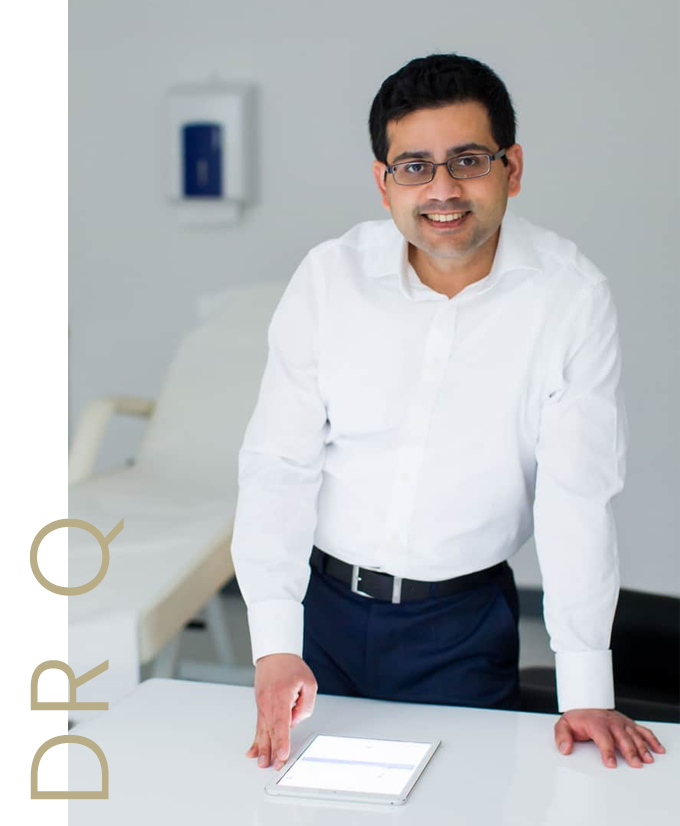
Dr Usman Qureshi (Dr Q) is a leading expert in aesthetic medicine with a 22 year career and a background spanning general practice, including A&E, and 12 years specialising in cosmetic procedures. A University of Glasgow graduate of 2002, he is the innovator behind the signature Q Lift, has performed over 20,000 procedures, and is an international speaker and trainer whose work has featured in Glamour and Harpers Bazaar.