Collagen is the scaffolding that keeps our skin smooth, firm, and youthful. As we age, collagen production naturally declines, leading to sagging, fine lines, and wrinkles. Understanding the science behind collagen loss and learning how to combat it effectively can help you achieve healthier, more resilient skin.
This guide explores the role of collagen in skin ageing, why it declines over time, and the best treatments and techniques to stimulate natural collagen production.
What is Collagen and Why is it Important?
Collagen is the most abundant protein in the human body, accounting for approximately 30% of the body’s protein content. It acts as the building block for skin, bones, muscles, and tendons, providing structure, elasticity, and strength.
In the skin, collagen resides in the dermis (the middle layer), where it:
- Maintains firmness and elasticity.
- Supports hydration by retaining moisture.
- Helps repair damaged skin tissues.
Types of Collagen in the Skin
While there are 28 types of collagen, the following are most relevant for the skin:
| Type | Function |
|---|---|
| Type I | Provides structure to skin, bones, and tendons. |
| Type III | Improves skin elasticity and supports Type I collagen. |
| Type IV | Forms the basement membrane, separating skin layers. |
Why Does Collagen Decline Over Time?
Starting in your mid-20s, your body’s natural collagen production decreases by about 1-1.5% each year. By the time you reach your 40s, collagen production slows significantly, leading to visible signs of ageing.
Factors Contributing to Collagen Loss
| Factor | Impact on Collagen |
| Ageing | Natural decline in collagen synthesis. |
| Sun Exposure (UV Rays) | UV radiation damages collagen fibres, causing breakdown. |
| Poor Diet | Lack of nutrients like Vitamin C and protein hinders production. |
| Smoking | Reduces blood flow and damages collagen fibres. |
| Pollution | Free radicals degrade collagen and accelerate ageing. |
| Hormonal Changes | Reduced oestrogen levels post-menopause impact collagen levels. |
Statistic: According to a study published in Dermato-Endocrinology, by age 50, women have lost approximately 30% of their collagen due to hormonal shifts.
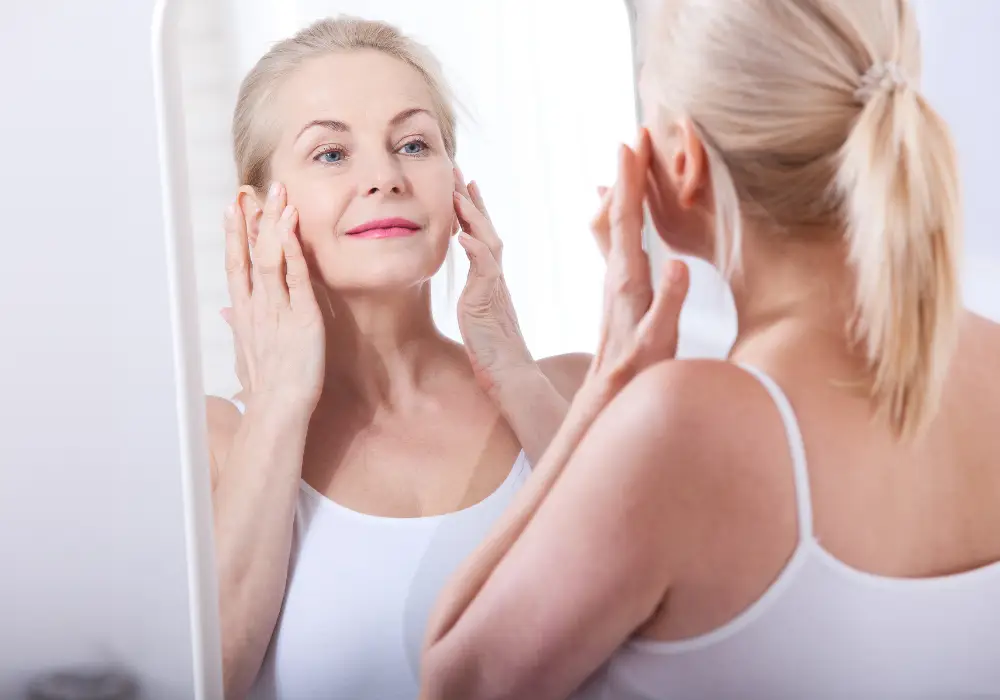
Signs of Collagen Loss
Collagen loss isn’t always obvious at first, but the following signs become increasingly noticeable over time:
- Fine lines and wrinkles
- Sagging skin, especially around the jawline, neck, and cheeks
- Thinning skin that appears more fragile
- Loss of volume in the face
- Dull, dehydrated appearance
How to Combat Collagen Loss Effectively
Fortunately, advancements in skincare and aesthetic treatments can stimulate collagen production, improve skin health, and slow down visible ageing. Here are the most effective methods:
1. Collagen-Boosting Skincare Ingredients
Incorporating scientifically proven ingredients into your daily skincare routine can help stimulate collagen synthesis:
| Ingredient | How It Works |
| Retinoids (Vitamin A) | Promotes cell turnover and boosts collagen production. |
| Vitamin C | Essential for collagen synthesis and fights free radicals. |
| Peptides | Signal the skin to produce more collagen. |
| Hyaluronic Acid | Keeps skin hydrated, improving collagen’s support network. |
| Niacinamide | Improves skin elasticity and barrier function. |
Example Routine:
- AM: Vitamin C serum + sunscreen (SPF 30+)
- PM: Retinol-based cream + peptide moisturiser
2. Non-Surgical Collagen-Stimulating Treatments
Modern aesthetic treatments provide non-invasive ways to stimulate collagen production deep within the skin. These methods offer long-term benefits with little to no downtime.
Radiofrequency (RF) Skin Tightening
How it Works: RF treatments use controlled heat energy to stimulate fibroblasts, which produce collagen.
Benefits:
- Lifts and tightens sagging skin.
- Improves skin texture and elasticity.
- Minimal discomfort and no downtime.
Clinical Data: A study published in Lasers in Surgery and Medicine found that 83% of patients saw improved skin tightness after RF treatments.
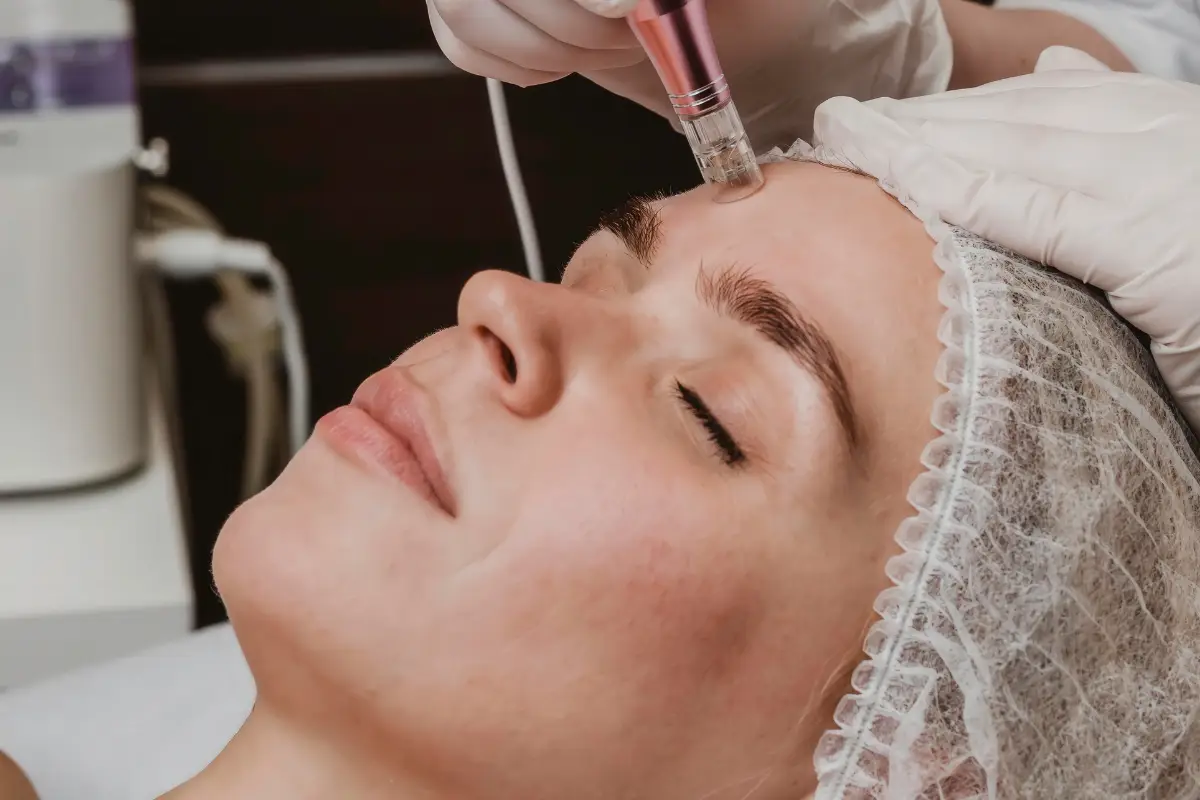
Microneedling
How it Works: Microneedling creates tiny micro-injuries in the skin, triggering the natural healing process and collagen production.
Benefits:
- Reduces fine lines, wrinkles, and scars.
- Boosts skin elasticity.
- Enhances product absorption for better results.
Statistics: Research shows that after 4 microneedling sessions, collagen production increases by up to 400%.
Ultrasound Therapy (Ultherapy)
How it Works: Ultrasound energy penetrates deep into the dermis to stimulate collagen regeneration.
Benefits:
- Lifts sagging skin on the face, neck, and jawline.
- Gradual, natural-looking results over 2-3 months.
- Long-lasting effects for up to 2 years.
Ideal for: Clients with moderate skin laxity.
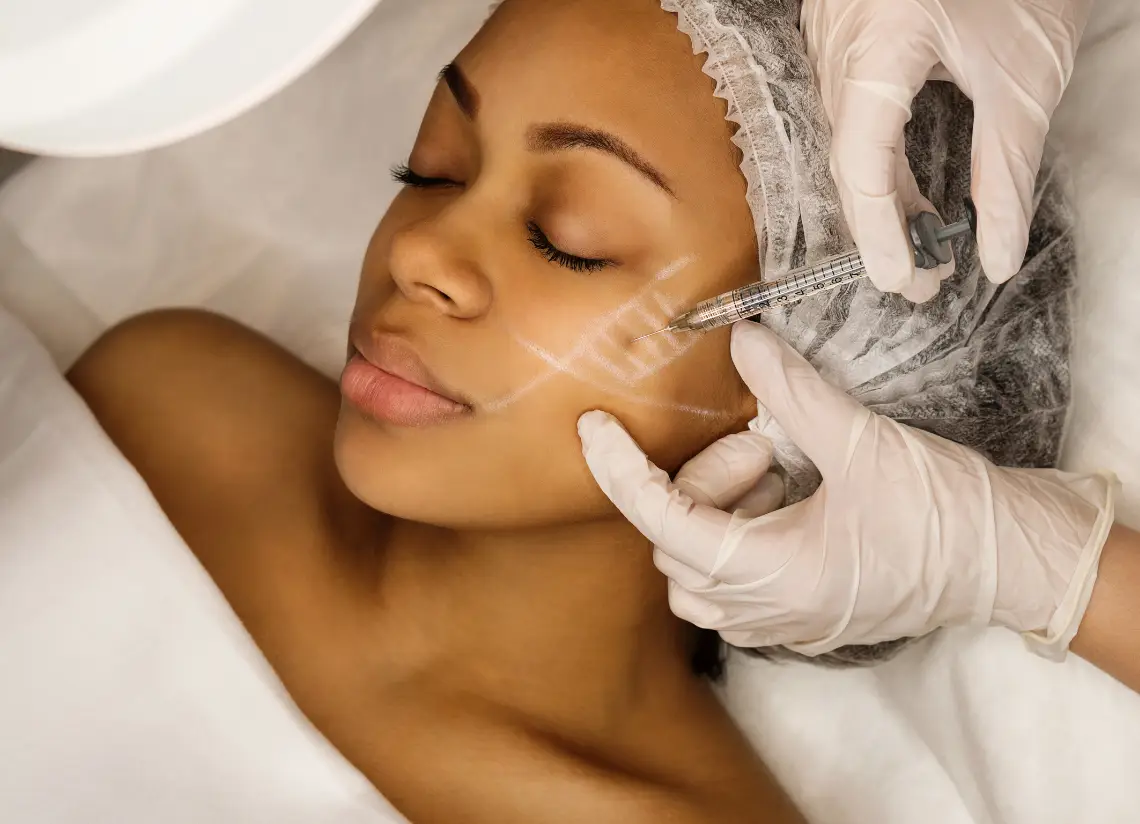
Dermal Fillers
While primarily used for volume restoration, dermal fillers (e.g., hyaluronic acid-based) stimulate collagen synthesis over time.
Benefits:
- Immediate plumping effect.
- Long-term collagen boost.
- Natural-looking results lasting 12-18 months.
Combination Treatments: Fillers can be combined with RF or microneedling for enhanced results.
3. Collagen Supplements
Collagen supplements, particularly hydrolysed collagen peptides, have become increasingly popular for skin health.
How They Work: Collagen peptides are broken down into smaller amino acids that can be absorbed by the body to support collagen production.
Benefits:
- Improves skin hydration and elasticity.
- Reduces visible fine lines and wrinkles.
Clinical Insight: A 12-week study published in Skin Pharmacology and Physiology showed that daily collagen supplementation improved skin elasticity by 30%.
How to Choose a Collagen Supplement:
- Look for hydrolysed collagen peptides (easier to absorb).
- Ensure it contains Vitamin C, which aids collagen synthesis.
- Opt for trusted brands with clinical research backing.
4. Lifestyle Changes to Support Collagen Production
Making simple lifestyle adjustments can protect and enhance your collagen levels:
| Lifestyle Habit | Collagen Benefit |
| Wear Sunscreen Daily | Protects collagen from UV damage. |
| Eat a Protein-Rich Diet | Provides amino acids essential for collagen synthesis. |
| Increase Vitamin C Intake | Boosts natural collagen production. |
| Stay Hydrated | Maintains skin’s elasticity and firmness. |
| Quit Smoking | Prevents collagen breakdown caused by toxins. |
Why Choose Luxe Skin by Dr Q for Collagen-Boosting Treatments?
At Luxe Skin by Dr Q, we offer a range of advanced, clinically proven treatments designed to restore and boost your skin’s collagen levels. Dr Q and the team are dedicated to delivering natural, long-lasting results tailored to your needs.
Our Approach:
- Bespoke Treatments: Personalised plans to address your unique concerns.
- Advanced Technology: The latest RF, microneedling, and ultrasound devices for effective results.
- Expert Care: Dr Q’s experience ensures treatments are performed with precision and safety.
FAQs About Collagen and Treatments
Q: At what age should I start collagen-boosting treatments?
A: Prevention is key. Start incorporating collagen-boosting skincare in your mid-20s and consider treatments from your 30s onwards.
Q: How long do collagen treatments take to show results?
A: Results vary, but most treatments show improvements within 4-12 weeks as collagen regenerates.
Q: Can I combine treatments for better results?
A: Yes. Combining RF, microneedling, or dermal fillers can enhance collagen stimulation and overall skin rejuvenation.
Q: Are collagen supplements worth it?
A: Clinical studies support their effectiveness, especially when combined with a healthy lifestyle and treatments.
Conclusion: Take Control of Collagen Loss
Collagen loss is a natural part of ageing, but you can slow it down and even reverse its effects with the right treatments, skincare, and lifestyle choices. From advanced non-surgical options like RF and microneedling to collagen-boosting ingredients and supplements, there are numerous ways to restore firmness, elasticity, and a youthful glow to your skin.
At our Aesthetic Clinic, we combine science, technology, and personalised care to deliver exceptional results.
Ready to combat collagen loss and revitalise your skin?
📞 Call us today to book your consultation.
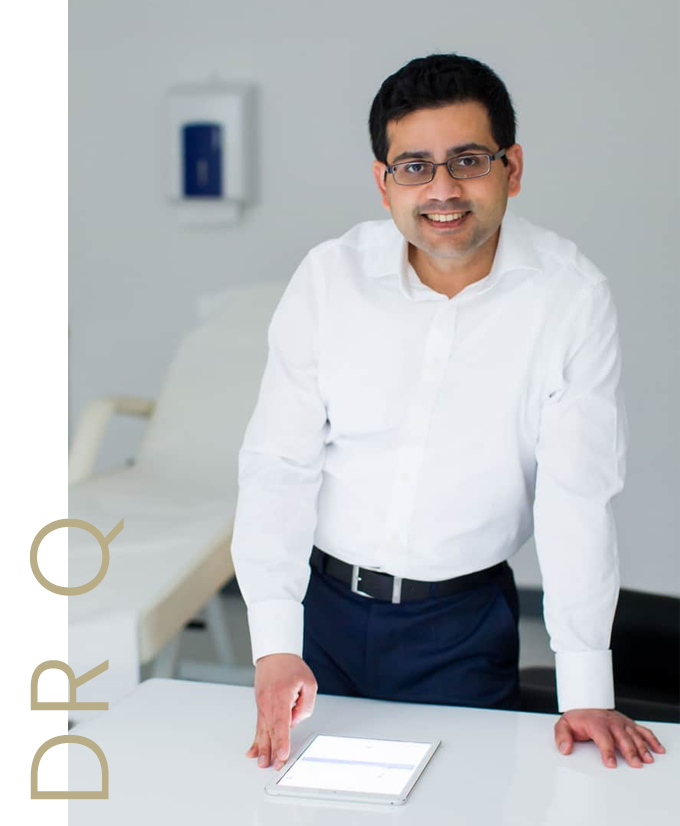
Dr Usman Qureshi (Dr Q) is a leading expert in aesthetic medicine with a 22 year career and a background spanning general practice, including A&E, and 12 years specialising in cosmetic procedures. A University of Glasgow graduate of 2002, he is the innovator behind the signature Q Lift, has performed over 20,000 procedures, and is an international speaker and trainer whose work has featured in Glamour and Harpers Bazaar.