The desire for body contouring without the downtime and risks associated with traditional liposuction has led to remarkable innovations in aesthetic medicine. Non-surgical liposuction treatments have revolutionised the field, offering effective fat reduction and body sculpting with minimal recovery time. For Glasgow residents considering these treatments, understanding the recovery process is essential for setting realistic expectations and achieving optimal results.
At Luxe Skin in Glasgow, three advanced non-surgical liposuction technologies have transformed how patients approach body contouring: EndoDefine, FaceTite, and the signature Q Lift. These minimally invasive procedures offer impressive results without the extended recovery associated with traditional surgical approaches.
This comprehensive guide explores the week-by-week recovery journey after non-surgical liposuction, drawing from real Glasgow patient experiences to provide an authentic perspective on what to expect. Whether you’re concerned about downtime, wondering about results timeline, or simply want to be well-prepared, this detailed recovery roadmap will help you navigate your non-surgical body contouring journey with confidence.
Understanding Non-Surgical Liposuction: The Technologies
Before delving into recovery specifics, it’s important to understand the key technologies offered at DR Q Luxe Skin and how they differ from traditional liposuction.
EndoDefine: Precision Laser Contouring
EndoDefine represents the cutting edge of laser-assisted lipolysis technology:
•Technology: Uses a specialised laser fibre inserted through tiny incisions to liquefy fat cells
•Mechanism: Thermal energy melts fat while simultaneously tightening surrounding skin
•Target Areas: Particularly effective for smaller areas like double chin, arms, and localised fat deposits
•Procedure Time: Typically 30-60 minutes depending on treatment area
•Anaesthesia: Local anaesthesia only
•Key Benefit: Dual action of fat reduction and skin tightening in one treatment
FaceTite: Radiofrequency-Assisted Lipolysis
FaceTite offers precision contouring using advanced radiofrequency technology:
•Technology: Radiofrequency-assisted lipolysis (RFAL) delivered through a minimally invasive probe
•Mechanism: Controlled heating that liquefies fat cells while contracting collagen fibres
•Target Areas: Primarily facial and neck areas, including jowls, double chin, and neck
•Procedure Time: Approximately 30-45 minutes per area
•Anaesthesia: Local anaesthesia with optional sedation
•Key Benefit: Up to 40% skin contraction, significantly higher than other technologies
Q Lift: Signature Comprehensive Contouring
The Q Lift is DR Q Luxe Skin’s signature treatment combining multiple technologies:
•Technology: Proprietary combination of radiofrequency, ultrasound, and specialised suspension threads
•Mechanism: Multi-layer approach addressing fat, skin laxity, and structural support
•Target Areas: Face, neck, and body areas requiring both fat reduction and significant lifting
•Procedure Time: 60-90 minutes depending on treatment area
•Anaesthesia: Local anaesthesia
•Key Benefit: Comprehensive rejuvenation with results lasting up to five years
How These Differ from Traditional Liposuction
Understanding the key differences helps set appropriate recovery expectations:
| Feature | Traditional Liposuction | Non-Surgical Options (EndoDefine/FaceTite/Q Lift) |
| Invasiveness | Surgical procedure | Minimally invasive |
| Anaesthesia | General anaesthesia typically required | Local anaesthesia only |
| Incision Size | Multiple larger incisions | Tiny entry points or none |
| Downtime | 2-4 weeks | 2-7 days |
| Recovery Discomfort | Moderate to significant | Mild to moderate |
| Compression Garment | Required for 4-6 weeks | Recommended for 1-2 weeks |
| Return to Work | 1-2 weeks | 1-3 days typically |
| Results Timeline | Final results at 3-6 months | Progressive improvement over 1-3 months |
| Risk Profile | Higher surgical risks | Minimal risks |
Pre-Treatment Preparation: Setting the Stage for Optimal Recovery
Proper preparation significantly impacts your recovery experience and results:
One Week Before Treatment
•Avoid blood thinners: Discontinue aspirin, NSAIDs, and certain supplements (with doctor approval)
•Stay hydrated: Increase water intake to optimise tissue health
•Prepare recovery supplies: Comfortable clothing, ice packs, and any prescribed medications
•Arrange transportation: You’ll need someone to drive you home after treatment
•Plan light activities: Schedule 1-3 days of reduced activity depending on treatment areas
24 Hours Before Treatment
•Follow fasting guidelines: If advised (typically not required for these procedures)
•Shower thoroughly: Using antibacterial soap if recommended
•Wear comfortable clothing: Loose, easy-to-remove items that won’t press on treatment areas
•Remove jewellery and cosmetics: From treatment areas
•Arrive well-rested: Good sleep enhances your body’s healing capacity
Preparation in practice: a written preparation checklist is the most useful thing to ask for at your pre treatment appointment. Preparing your recovery space at home in advance and scheduling treatment before a quiet few days both make the first week easier, and any supplements to take or avoid beforehand should be confirmed with the clinic rather than assumed.
The Day of Treatment: What to Expect
Understanding the treatment day experience helps reduce anxiety and set appropriate expectations:
Before the Procedure
•Consultation and photos: Final assessment and documentation
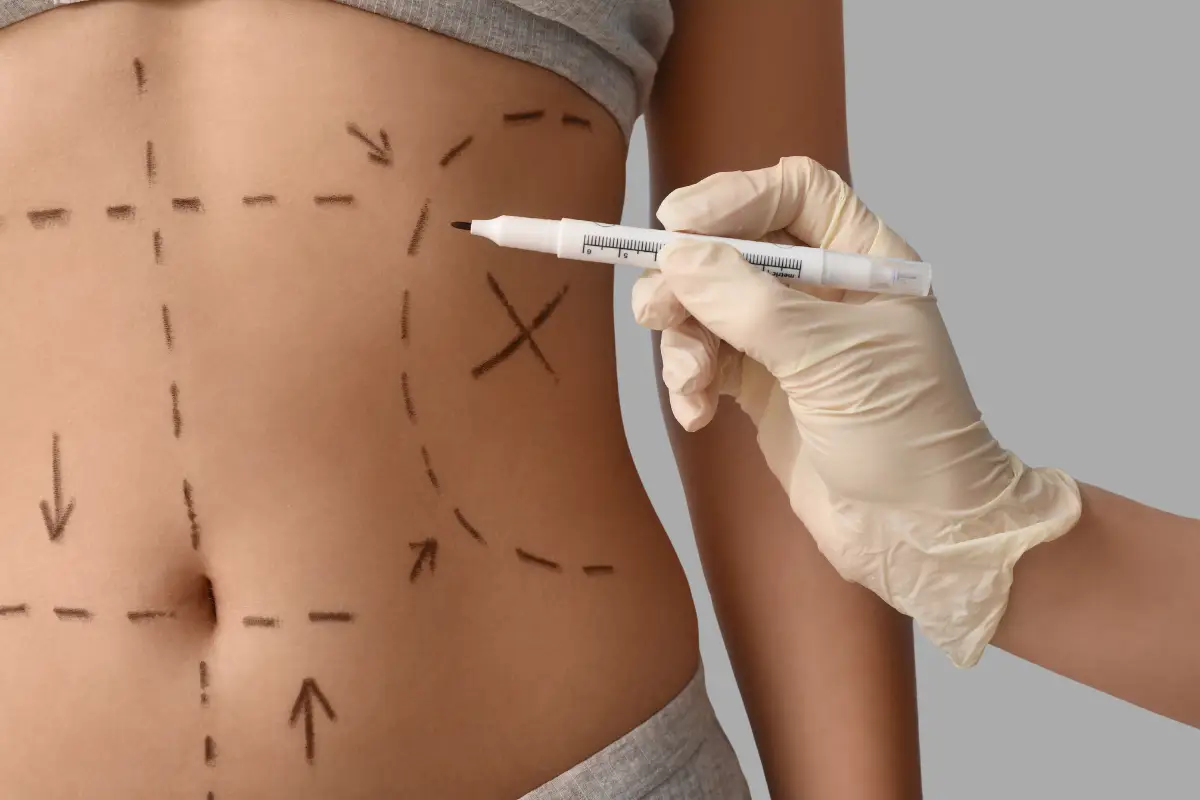
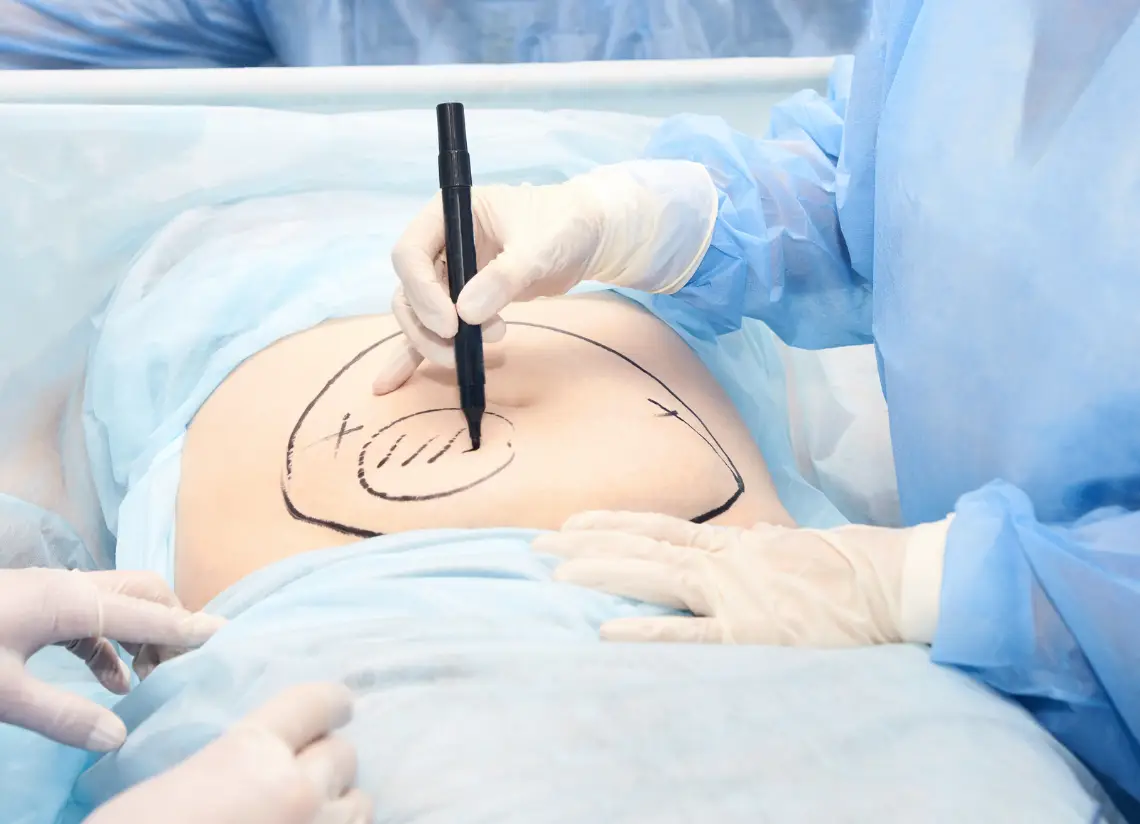
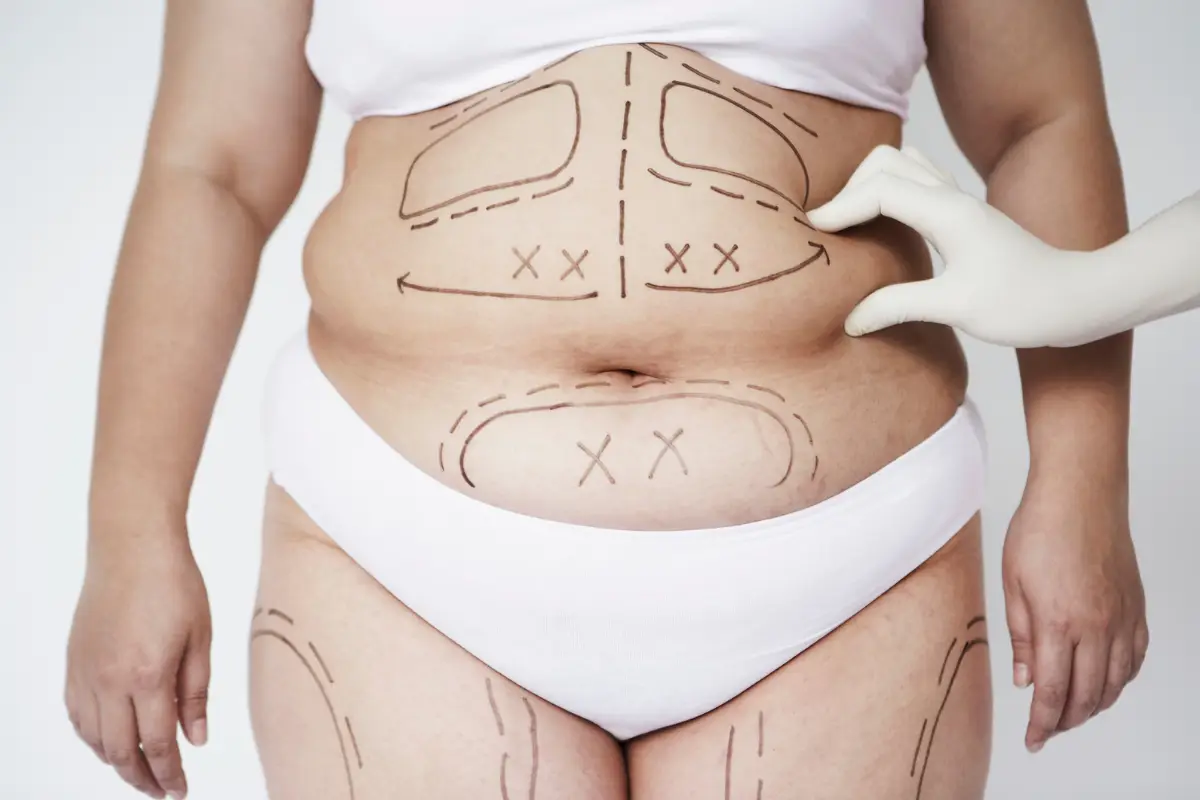
•Marking of treatment areas: Precise planning for optimal results
•Application of numbing cream: For enhanced comfort
•Administration of local anaesthesia: Quick injections to ensure comfort during treatment
During the Procedure
•EndoDefine: Sensation of pressure and movement, mild warmth
•FaceTite: Feeling of warmth and pressure as the device moves across treatment areas
•Q Lift: Similar sensations with additional mild tugging during thread placement
Immediately After Treatment
•Initial assessment: The practitioner evaluates the treated area
•Application of dressings: Small bandages for entry points if applicable
•Compression garment fitting: If recommended for your specific treatment
•Recovery instructions: Detailed guidance for the coming days
•Departure: Most patients leave within 30-60 minutes after treatment completion
Week 1: The Initial Recovery Phase
The first week is the most active recovery period, with significant changes occurring daily.
Days 1-2: Immediate Aftermath
What to Expect:
•Swelling: Moderate swelling that peaks at 24-48 hours
•Discomfort: Mild to moderate, described as soreness similar to post-workout
•Redness: At treatment sites and potentially across treated areas
•Tiny scabs: At entry points for EndoDefine and FaceTite
•Sensation: Numbness or tingling in treated areas
•Bruising: Mild to moderate, more common with EndoDefine than other treatments
Recommended Actions:
•Rest: Take it easy, but gentle walking is encouraged
•Elevation: Keep treated areas elevated when possible
•Cold therapy: Apply ice packs for 15-20 minutes every few hours
•Medication: Take prescribed or recommended pain relief as needed
•Hydration: Drink plenty of water to help flush your system
•Compression: Wear compression garments as directed
•Wound care: Keep entry points clean and follow specific care instructions
Days one and two in practice: swelling is usually the dominant feature rather than pain, and discomfort is commonly managed with simple over the counter analgesia. Working from home for these two days suits most people, since ice can be applied between tasks. Swelling often begins to settle by the end of the second day.
Days 3-5: Turning the Corner
What to Expect:
•Decreasing swelling: Noticeable reduction in swelling
•Improved comfort: Significant reduction in discomfort
•Bruising evolution: Any bruising may change colours as it begins to resolve
•Itching: Possible as healing progresses
•Initial results: First glimpses of treatment effects becoming visible
•Energy return: Feeling more like yourself again
Recommended Actions:
•Gentle return to activities: Resume light daily activities
•Continue compression: As directed, typically during this entire period
•Hydration and nutrition: Focus on anti-inflammatory foods and plenty of water
•Avoid strenuous exercise: For the remainder of the week
•Attend follow-up: If scheduled during this period
•Avoid alcohol and smoking: These can impair healing and increase swelling
Days 6-7: Returning to Normalcy
What to Expect:
•Social presentability: Most visible signs of treatment significantly diminished
•Residual swelling: Mild swelling that may fluctuate throughout the day
•Sensitivity: Some areas may remain slightly tender to touch
•Improved contour: Beginning to see the new body contour emerging
•Return to work: Most patients return to work by this point if not sooner
Recommended Actions:
•Resume most normal activities: Except for vigorous exercise
•Continue proper hydration: To support ongoing healing
•Monitor for concerns: Report any unusual symptoms to your provider
•Begin gentle massage: If recommended by your practitioner
•Transition to normal wardrobe: While avoiding tight clothing on treated areas
The first week in practice: most normal routine is possible again by the end of it. Swelling that increases in the evenings is common and expected, and the compression garment makes a noticeable difference to how quickly it settles. Social plans towards the end of the week are usually realistic, though this varies by treatment and by person.
Week 2: The Refinement Phase
During the second week, most recovery symptoms resolve, and results begin to emerge more clearly.
Physical Changes
What to Expect:
•Minimal swelling: Residual swelling continues to decrease
•Resolution of bruising: Most bruising should be gone or significantly faded
•Improved skin texture: Skin begins to adapt to new contours
•Sensation normalising: Return of normal sensation in most treated areas
•More defined results: Clearer visibility of the treatment effects
Recommended Actions:
•Gradual exercise return: Begin with light cardio and work up gradually
•Compression transition: Follow provider guidance on reducing compression wear
•Scar care: For tiny entry points, if applicable
•Normal skincare resumption: Return to regular skincare routines
•Stay sun-protected: Treated areas may be more sun-sensitive
Activity Level
By week two, most patients can resume nearly all normal activities:
•Work: Full return to work, including in-person meetings
•Social engagements: Comfortable in social settings
•Light exercise: Walking, gentle yoga, and similar activities
•Household activities: Resume normal household responsibilities
•Clothing choices: Most regular clothing can be worn comfortably
Week two in practice: most normal activities can resume, with vigorous exercise and anything that presses directly on the treated area still held back. The compression garment tends to feel easier by this point, and bruising is usually fading noticeably towards the end of the second week.
Week 3-4: The Transformation Phase
During weeks three and four, patients typically experience significant visible improvement.
Physical Changes
What to Expect:
•Minimal to no visible recovery signs: External evidence of treatment generally resolved
•Continued refinement: Body contours continue to improve
•Skin retraction: Increasing skin tightening effects, particularly with FaceTite and Q Lift
•Normal sensation: Most or all sensation returned to normal
•Confidence in results: Growing satisfaction with treatment outcomes
Recommended Actions:
•Normal activity resumption: Including more vigorous exercise if desired
•Compression conclusion: Typically finished with compression requirements
•Healthy lifestyle: Focus on maintaining results through diet and exercise
•Follow-up visit: Attend scheduled assessment appointment
•Consider complementary treatments: If recommended as part of a treatment plan
Results Progression
During this phase, the progressive nature of results becomes evident:
•Fat reduction: Becomes more apparent as all swelling resolves
•Skin quality: Improvements in texture and tightness continue to develop
•Treatment area definition: More sculpted appearance emerges
•Clothing fit: Noticeable difference in how clothing fits
•Before/after comparison: Significant visible difference when comparing to pre-treatment photos
Weeks three and four in practice: this is the point at which the contour change becomes clearly visible as the remaining swelling resolves. For lower face and neck treatment the jawline definition is usually the first thing noticed. Results vary between individuals and continue to refine beyond this point.
Months 2-3: The Maturation Phase
The longer-term phase of recovery reveals the full extent of treatment results.
Physical Changes
What to Expect:
•Final results emergence: Near-final or final treatment results become visible
•Complete resolution of recovery signs: No remaining evidence of having undergone treatment
•Skin quality improvement: Continued enhancement in skin texture and elasticity
•Stable measurements: Body contours stabilise to their new improved state
•Long-term comfort: Complete comfort in treated areas
Recommended Actions:
•Maintenance behaviours: Follow recommendations for result longevity
•Final assessment: Attend long-term follow-up appointment
•Consider touch-up treatments: If recommended for optimal results
•Document results: Final “after” photos to compare with baseline
•Healthy lifestyle: Continue habits that support and maintain your results
Results Characteristics
The mature results of non-surgical liposuction have several notable characteristics:
•Natural appearance: Results look like natural body contours, not obviously “treated”
•Proportional improvement: Harmonious body proportions rather than dramatic spot reduction
•Clothing benefits: Improved fit across various clothing styles
•Psychological boost: Increased confidence and body satisfaction
•Stability: Results that maintain well with proper lifestyle habits
Three months in practice: results are typically close to final by now, and skin quality can still be improving, because collagen remodelling continues for months after the procedure. That is why the appearance at three months is often better than at six weeks.
Treatment-Specific Recovery Considerations
While the general recovery timeline applies to all three treatments, each has unique considerations worth noting.
EndoDefine Recovery Specifics
Unique Recovery Characteristics:
•Entry points: Tiny entry points that form small scabs for 5-7 days
•Localised firmness: Small firm areas may develop and resolve over 2-3 weeks
•Sensitivity timeline: Typically resolves slightly faster than other treatments
•Activity restrictions: Generally the shortest activity limitations
•Results timeline: Often shows more immediate contouring with continued improvement
Special Care Instructions:
•Entry point care: Keep clean and dry for the first 48 hours
•Massage recommendations: Specific massage techniques may be recommended after 10-14 days
•Hydration importance: Particularly important to help flush disrupted fat cells
FaceTite Recovery Specifics
Unique Recovery Characteristics:
•Skin tightening progression: More dramatic skin tightening effects that continue to improve over 3-6 months
•Jawline definition: Progressive improvement in definition, particularly noticeable in profile
•Sensitivity patterns: May experience temporary nerve sensitivity that resolves within 2-4 weeks
•Swelling distribution: Often more noticeable in the morning and improves throughout the day
•Results longevity: Results typically last 3-5 years
Special Care Instructions:
•Sleeping position: Elevated head position recommended for the first week
•Facial movements: Minimise excessive facial movements for the first 3-5 days
•Cold therapy: Cold compresses particularly beneficial for facial applications
•Sun protection: Critical for treated facial areas for at least 4-6 weeks
Q Lift Recovery Specifics
Unique Recovery Characteristics:
•Comprehensive improvement: Addresses multiple tissue layers with corresponding recovery
•Thread integration: Mild pulling sensation as threads integrate during first 7-10 days
•Longer result progression: Most dramatic improvement between weeks 4-12
•Expression adaptation: Brief period of adapting to tissue repositioning
•Extended longevity: Results typically last up to 5 years
Special Care Instructions:
•Facial expressions: Avoid extreme facial expressions for 7-10 days
•Sleeping position: Back sleeping recommended for 14 days
•Activity modification: Slightly longer restriction on high-impact activities
•Follow-up importance: Critical to attend all scheduled assessments
•Maintenance treatments: May include recommended maintenance protocol
Optimising Your Recovery: Factors That Influence Healing
Several factors can significantly impact your recovery experience and results.
Lifestyle Factors
Your daily habits play a crucial role in recovery quality:
•Hydration: Adequate water intake accelerates healing and enhances results
•Nutrition: Anti-inflammatory foods support faster recovery
•Sleep quality: Proper rest is essential for optimal healing
•Stress management: High stress can delay healing and increase swelling
•Smoking: Significantly impairs healing and results, and cessation is strongly recommended
•Alcohol consumption: Can increase swelling and bruising, best minimised during recovery
Environmental Considerations
Glasgow’s unique environment presents specific recovery considerations:
•Weather fluctuations: Glasgow’s variable weather can affect swelling patterns
•Indoor heating: Winter heating can cause dehydration affecting recovery
•Humidity levels: Can impact skin healing and comfort
•Urban pollution: May slightly increase skin sensitivity during recovery
•UV exposure: Even on cloudy Glasgow days, UV protection remains essential
Physical Activity
Finding the right balance of rest and movement:
•Initial rest: Critical during the first 24-48 hours
•Gentle walking: Beneficial from day one to promote circulation
•Gradual progression: Systematic return to normal activities
•Exercise modification: Temporary adjustments to workout routines
•Body awareness: Learning to recognise your body’s signals during recovery
Exercise in practice: for regular gym users, modifying training is usually the hardest part of recovery. Ask for a written timeline for returning to each type of exercise. Gentle walking from the first week is generally encouraged and helps swelling, and most routines can resume by around week three while still avoiding direct pressure on treated areas.
Managing Expectations: The Reality of Non-Surgical Liposuction Recovery
Setting realistic expectations is crucial for satisfaction with both the recovery process and results.
Recovery Variability
Individual experiences vary based on several factors:
•Treatment type: Each technology has a slightly different recovery profile
•Treatment extent: Larger or multiple areas may require longer recovery
•Individual healing capacity: Personal healing rates differ significantly
•Age factors: Older patients may experience slightly longer recovery times
•Skin elasticity: Affects both recovery appearance and final results
•Previous treatments: History of treatments in the area can influence recovery
Common Misconceptions
Addressing frequent misunderstandings about non-surgical liposuction recovery:
•”Zero downtime”: While dramatically less than surgery, some recovery time is still needed
•”Immediate results”: Results develop progressively rather than instantly
•”Pain-free process”: Most patients experience mild discomfort rather than true pain
•”One-treatment solution”: Some patients benefit from a series of treatments
•”Alternative to weight loss”: These are contouring treatments, not weight loss solutions
•”Permanent results regardless of lifestyle”: Results can be affected by significant weight fluctuations
The Emotional Journey
The psychological aspects of recovery are equally important:
•Initial questioning: Many patients experience brief “did I make the right choice?” thoughts during early recovery
•Patience challenge: The progressive nature of results requires patience
•Body image adaptation: Adjusting to your new contours takes time
•Satisfaction timeline: Full appreciation of results often comes after complete recovery
•Confidence evolution: Growing confidence as results emerge
The emotional side, in practice: a dip around day four, when swelling is still present and results are not yet visible, is common and worth expecting rather than being surprised by. Being told about it in advance is part of good pre treatment counselling. Clarity usually returns by around week three as the swelling resolves.
When to Contact Your Provider: Recognising Normal vs. Concerning Symptoms
Understanding the difference between expected recovery experiences and potential complications is essential.
Normal Recovery Symptoms
These experiences are typical and generally not concerning:
•Swelling: Moderate swelling that gradually improves
•Bruising: Mild to moderate bruising that evolves and fades
•Numbness or tingling: Temporary sensation changes in treated areas
•Mild discomfort: Manageable with recommended pain relief
•Redness: At treatment sites that gradually fades
•Firmness: Areas of hardness that gradually soften
•Itching: Mild itching as healing progresses
Contact Your Provider If You Experience
These symptoms may require professional evaluation:
•Severe pain: Pain that is not controlled with recommended medication
•Excessive swelling: Dramatic or worsening swelling after the first 48 hours
•Signs of infection: Increasing redness, warmth, pus, or fever
•Skin changes: Blistering, unusual discoloration, or skin breakdown
•Asymmetry: Significant unevenness that persists beyond initial swelling
•Prolonged numbness: Sensation changes that don’t improve after 2-3 weeks
•Allergic reactions: Rash, hives, or breathing difficulties
Frequently Asked Questions About Non-Surgical Liposuction Recovery
How soon will I see results from non-surgical liposuction?
Results from non-surgical liposuction treatments like EndoDefine, FaceTite, and Q Lift develop progressively rather than immediately. Most patients begin to notice improvements once initial swelling subsides, typically around 7-10 days after treatment. However, the full results emerge gradually over 2-3 months as your body processes the treated fat cells and collagen remodelling occurs. This progressive improvement is actually beneficial, as it creates a more natural-looking transformation that doesn’t suddenly appear “done.” At DR Q Luxe Skin in Glasgow, we provide realistic timelines during consultation and show progression photos from previous patients to help set appropriate expectations for your specific treatment plan.
How painful is recovery from non-surgical liposuction?
Most patients describe recovery from non-surgical liposuction as involving mild to moderate discomfort rather than significant pain. The sensation is commonly compared to muscle soreness after an intense workout. Typically, any discomfort peaks within the first 24-48 hours and then steadily improves. Over-the-counter pain relievers like paracetamol are usually sufficient for managing this discomfort. EndoDefine and FaceTite treatments generally involve similar comfort levels, while Q Lift might include some additional mild sensations as the specialised threads integrate. At your consultation at DR Q Luxe Skin, we’ll discuss your personal pain tolerance and can recommend specific comfort measures tailored to your needs.
Will I need to take time off work after non-surgical liposuction?
The amount of time off work depends on both your treatment type and job requirements. Most patients having EndoDefine, FaceTite, or Q Lift treatments return to desk jobs within 1-3 days. If your job involves physical activity, you might need 3-7 days before returning to full duties. Many Glasgow patients schedule their treatments on a Thursday or Friday to use the weekend for initial recovery. If discretion is important, visible swelling and bruising typically subsides enough for social presentability within 5-7 days. During your consultation at DR Q Luxe Skin, we can provide personalised advice based on your specific treatment plan and work requirements.
How does recovery from non-surgical liposuction compare to surgical liposuction?
The recovery from non-surgical liposuction is significantly easier and shorter than recovery from traditional surgical liposuction. With non-surgical options like EndoDefine, FaceTite, and Q Lift, most patients experience 2-7 days of noticeable recovery compared to 2-4 weeks with surgical liposuction. Non-surgical treatments require only local anaesthesia rather than general anaesthesia, eliminating associated risks and recovery. Compression garment requirements are typically 1-2 weeks rather than 4-6 weeks. Pain levels are substantially lower, and most patients require only over-the-counter pain relief rather than prescription medication. While surgical liposuction can remove more fat in a single session, many patients find the trade-off of minimal downtime makes non-surgical options preferable for their lifestyle.
How long do I need to wear a compression garment after treatment?
Compression garment requirements vary by treatment type and area treated. For EndoDefine treatments, compression is typically recommended for 7-14 days, depending on the treatment area. FaceTite facial treatments may use specialised facial compression for 3-5 days. Q Lift treatments often have specific compression recommendations based on the treatment areas and techniques used. Compression serves several important purposes: it reduces swelling, helps tissues conform to their new contours, increases comfort, and optimises results. Many Glasgow patients report that compression garments are more comfortable than expected and provide a reassuring feeling during recovery. At DR Q Luxe Skin, we provide high-quality, discreet compression options and clear guidelines for wear and care.
Conclusion: Your Non-Surgical Liposuction Journey
Non-surgical liposuction treatments like EndoDefine, FaceTite, and Q Lift have revolutionised body contouring by offering effective results with minimal downtime. Understanding the recovery process helps you approach your treatment with confidence and realistic expectations.
The recovery journey is relatively brief compared to surgical alternatives, with most patients returning to normal activities within days rather than weeks. While each person’s experience is unique, the general progression from initial swelling through to final results follows a predictable pattern that your provider can guide you through.
At DR Q Luxe Skin in Glasgow, we’re committed to supporting you throughout your entire treatment journey, from initial consultation through recovery and beyond. Our comprehensive approach includes detailed pre-treatment guidance, attentive care during recovery, and ongoing support to help you maintain your results.
If you’re considering non-surgical liposuction and want to learn more about which treatment might be right for you, we invite you to schedule a consultation with Dr Q to discuss your specific goals and create a personalised treatment plan.
Book your non-surgical liposuction consultation with DR Q Luxe Skin, Glasgow’s leading aesthetic clinic.
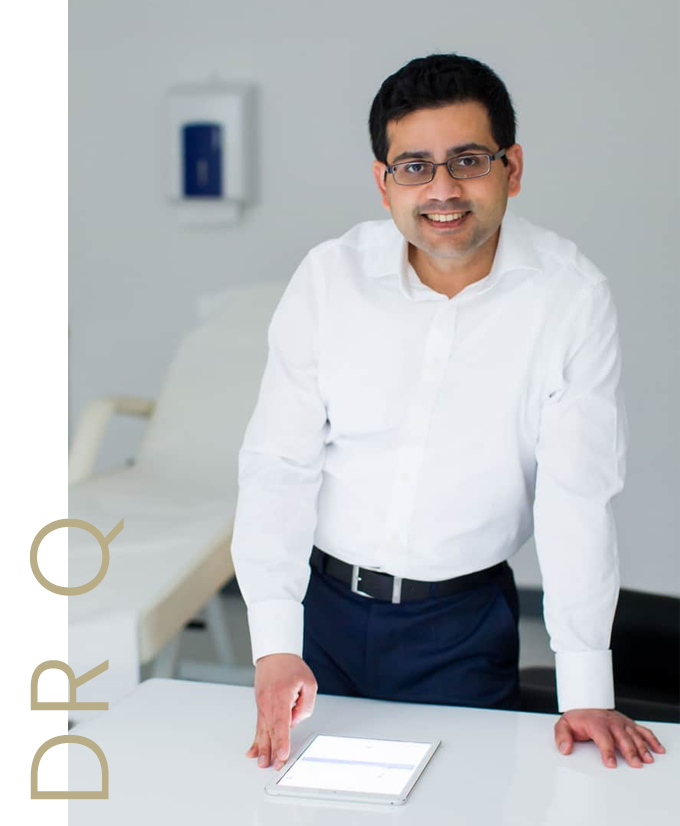
Dr Usman Qureshi (Dr Q) is a leading expert in aesthetic medicine with a 22 year career and a background spanning general practice, including A&E, and 12 years specialising in cosmetic procedures. A University of Glasgow graduate of 2002, he is the innovator behind the signature Q Lift, has performed over 20,000 procedures, and is an international speaker and trainer whose work has featured in Glamour and Harpers Bazaar.