Introduction: Understanding the Science Behind Body Contouring
Body contouring procedures, particularly liposuction, have revolutionised aesthetic medicine by offering targeted solutions for stubborn fat deposits that resist diet and exercise. While the visual results of these procedures are well-documented, the biological mechanisms that make them effective, and permanent, are often less understood by patients considering treatment.
At our Aesthetic Clinic in Glasgow, we believe that informed patients make confident decisions. This comprehensive guide explores the fascinating biology behind liposuction, explaining how it fundamentally differs from weight loss, why removed fat cells don’t return, and what metabolic considerations should be understood for long-term results.
Whether you’re considering liposuction, have already undergone the procedure, or are simply curious about the science of body contouring, this article provides authoritative insights into how these treatments permanently alter your body’s fat architecture while respecting its natural biological processes.
The Fundamental Biology of Fat Cells
To understand how liposuction creates permanent changes, we must first explore the basic biology of fat tissue and how it functions in the body.
Fat Cell Development and Distribution
The life cycle of fat cells follows a distinct pattern:
Embryonic and Childhood Development:
•Fat cell precursors (preadipocytes) are present from early development
•Significant proliferation occurs during late pregnancy and early infancy
•Another proliferation period occurs during puberty
•By late adolescence, fat cell number becomes relatively fixed
Adult Fat Cell Stability:
•Adults maintain a relatively constant number of fat cells
•Research indicates adults have approximately 20-30 billion fat cells
•This number remains stable even with weight fluctuations
•Fat cell turnover is estimated at only 8-10% per year
•New fat cell formation in adults is limited and tightly regulated
Regional Distribution Patterns:
•Genetic factors determine where fat cells are concentrated
•Hormonal influences create gender-specific fat distribution
•Some areas have higher densities of fat cells than others
•Distribution patterns explain why spot reduction through diet and exercise is difficult
•These patterns remain relatively consistent throughout adulthood
How Fat Cells Function
Understanding fat cell physiology helps explain the effects of liposuction:
Structure and Composition:
•Mature fat cells (adipocytes) are specialised cells for fat storage
•Each cell contains a large central lipid droplet
•The nucleus and cellular machinery are pushed to the periphery
•Cell size can vary dramatically based on lipid content
•A single fat cell can expand up to 1,000 times its minimum volume
Lipid Storage Dynamics:
•Fat cells store energy primarily as triglycerides
•When energy intake exceeds expenditure, triglycerides accumulate
•During caloric deficit, triglycerides are broken down (lipolysis)
•Released fatty acids enter bloodstream for use as energy
•This process changes cell size but not cell number
Metabolic Activity:
•Fat tissue is not merely passive storage but an active endocrine organ
•Adipocytes secrete hormones called adipokines
•These hormones influence hunger, metabolism, and inflammation
•Examples include leptin, adiponectin, and resistin
•Metabolic activity varies by fat depot location
The Difference Between Fat Cell Hyperplasia and Hypertrophy
Two distinct processes affect fat tissue volume:
| Process | Definition | Reversibility | Age of Occurrence | Implications |
| Hyperplasia | Increase in fat cell number | Generally irreversible in adults | Primarily childhood, adolescence, and extreme obesity | Once created, these cells remain unless surgically removed |
| Hypertrophy | Increase in fat cell size | Reversible with weight loss | Can occur throughout life | Cells shrink but remain present with weight loss |
“Understanding the distinction between fat cell number and size is crucial for patients considering body contouring. While diet and exercise can shrink fat cells, only procedures like liposuction can actually reduce their number in targeted areas.” Dr Q, Luxe Skin by Dr Q
Fat Removal vs. Fat Shrinkage: The Critical Distinction
The fundamental difference between weight loss and liposuction lies in what happens to fat cells during each process.
What Happens During Weight Loss
Traditional weight loss affects fat cells in specific ways:
Cellular Changes:
•Fat cells shrink in size (hypertrophy reversal)
•Cell number remains constant
•Triglycerides are metabolised for energy
•Cell membrane and organelles remain intact
•Cells maintain capacity to expand again
Physiological Process:
1.Caloric deficit triggers hormone-sensitive lipase activation
2.Triglycerides break down into glycerol and fatty acids
3.These components enter the bloodstream
4.They’re transported to muscles and organs for energy
5.Fat cells decrease in volume but remain viable
Distribution Effects:
•Weight loss occurs throughout the body
•Reduction follows genetic and hormonal patterns
•Stubborn areas often lose fat more slowly
•Proportions generally remain consistent
•Regional fat distribution patterns persist
Visual Results:
•Overall size reduction
•Maintenance of basic body shape
•Proportional changes across all areas
•Persistent “trouble spots” despite overall weight loss
•Potential loose skin with significant weight loss
What Happens During Liposuction
Liposuction creates fundamentally different biological changes:
Cellular Changes:
•Fat cells are physically removed from the body
•Cell number is permanently reduced in treated areas
•Removed cells cannot regenerate or return
•Surrounding untreated fat cells remain intact
•Remaining cells maintain normal function
Procedural Process:
1.Small incisions provide access to fat deposits
2.Tumescent fluid infiltrates the treatment area
3.Specialised cannulas mechanically disrupt and suction fat cells
4.Entire fat cells, including membrane and contents, are removed
5.Surrounding tissues remain largely undisturbed
Distribution Effects:
•Reduction occurs only in specifically treated areas
•Body proportions are permanently altered
•Fat distribution patterns are surgically modified
•Targeted approach addresses specific concerns
•Customised contouring based on aesthetic goals
Visual Results:
•Selective reduction in treated areas
•Changed body proportions and contours
•Immediate and permanent alteration of shape
•Resistant areas can be directly addressed
•Results visible even without overall weight loss
Scientific Evidence for Permanent Fat Cell Removal
Research confirms the permanence of liposuction results:
Key Research Findings:
•Long-term studies show treated areas maintain reduced fat even with weight gain
•Fat distribution patterns remain altered for decades after treatment
•Microscopic analysis confirms absence of fat cell regeneration in treated areas
•Imaging studies demonstrate persistent volumetric changes
•Biochemical markers of fat cell activity remain reduced in treated regions
Clinical Evidence:
•Follow-up studies tracking patients for 5+ years show stable results
•Weight fluctuations after liposuction lead to disproportionate fat accumulation in untreated areas
•Repeated liposuction in previously treated areas yields significantly less fat
•Patients maintain new contours even with moderate weight gain
•Treated areas resist expansion even during significant weight gain
What this means over the years that follow: because the fat cells removed do not return, the treated area tends to stay proportionally smaller through normal weight fluctuation. Weight gained afterwards is distributed more towards untreated areas instead. This is a change in where the body stores fat, not a defence against gaining it.
The Metabolic Impact of Fat Cell Removal
Removing a significant number of fat cells has implications beyond mere aesthetics, affecting how the body manages energy storage and distribution.
Redistribution Phenomenon After Liposuction
When fat cells are removed from specific areas, the body adapts:
Compensatory Mechanisms:
•Remaining fat cells throughout the body maintain normal function
•With significant weight gain, untreated areas may experience more pronounced expansion
•The body cannot create new fat cells to replace those removed
•Existing fat cells in untreated areas may undergo more hypertrophy
•This can lead to new fat distribution patterns
Clinical Observations:
•Patients who gain significant weight after liposuction may develop new disproportions
•Fat accumulation shifts to areas with remaining fat cells
•The treated area remains relatively resistant to fat accumulation
•New “trouble spots” may emerge with substantial weight gain
•This redistribution is predictable based on treatment areas
Research Evidence:
•Studies tracking fat distribution after liposuction confirm redistribution patterns
•Visceral (internal) fat is not significantly affected by subcutaneous liposuction
•Moderate weight gain (5-10%) typically doesn’t create noticeable disproportions
•Significant weight gain (15%+) may result in visible redistribution
•Individual genetic factors influence redistribution patterns
Metabolic Health Considerations
The relationship between liposuction and metabolic health is complex:
Potential Metabolic Benefits:
•Removal of certain fat deposits (particularly abdominal) may improve metabolic markers
•Some studies show improvements in insulin sensitivity after abdominal liposuction
•Reduction in inflammatory cytokines has been documented
•Decreased waist circumference correlates with reduced metabolic risk
•Combined with lifestyle changes, results can support metabolic health
Metabolic Limitations:
•Liposuction primarily removes subcutaneous fat, not metabolically active visceral fat
•Procedure alone does not significantly improve obesity-related health conditions
•Without lifestyle changes, metabolic benefits may be temporary
•Not a treatment for diabetes or metabolic syndrome
•Should be viewed as body contouring, not weight management
Long-term Metabolic Stability:
•Maintaining stable weight optimises both aesthetic and metabolic outcomes
•Regular exercise helps manage remaining fat cells
•Healthy diet prevents excessive hypertrophy of remaining cells
•Monitoring body composition rather than just weight becomes important
•Personalised approach based on individual metabolic profile is ideal
The Science of Fat Cell Adaptation
After liposuction, remaining fat cells undergo specific adaptations:
Cellular Responses:
•Temporary inflammation triggers healing cascade
•Surrounding fat cells maintain normal metabolic function
•No compensatory hyperplasia (new fat cell formation) occurs
•Remaining cells can still undergo normal hypertrophy with weight gain
•Local blood supply and lymphatic drainage adapt to new tissue architecture
Hormonal Adjustments:
•Minor changes in adipokine production from reduced fat mass
•Typically insufficient to affect systemic metabolism significantly
•No clinically meaningful impact on hunger or satiety hormones
•Localised changes in estrogen production in treated areas
•These changes generally don’t affect overall hormonal balance
Tissue Remodelling:
•Skin gradually contracts to accommodate reduced volume
•Connective tissue structures reorganise
•New collagen formation during healing process
•Stabilisation of new contours over 3-6 months
•Final tissue architecture maintains structural integrity
Optimising Long-Term Results: The Biological Perspective
Understanding the biology of fat cells provides insights into maintaining optimal liposuction results.
The Biological Basis for Post-Liposuction Recommendations
Scientific rationale for common aftercare advice:
Compression Garment Use:
•Reduces fluid accumulation in treated tissues
•Supports uniform tissue adherence
•Minimises risk of contour irregularities
•Supports lymphatic drainage during healing
•Promotes optimal skin retraction
Gradual Return to Exercise:
•Allows initial inflammatory phase to resolve
•Prevents excessive fluid shifts during early healing
•Supports lymphatic circulation without disruption
•Promotes healthy blood flow to healing tissues
•Establishes foundation for long-term activity habits
Hydration Importance:
•Supports optimal cellular function during healing
•Facilitates efficient metabolic waste removal
•Enhances lymphatic drainage of residual inflammation
•Promotes healthy skin elasticity
•Supports overall metabolic function
Nutritional Considerations:
•Protein intake supports tissue repair and remodelling
•Anti-inflammatory nutrients reduce recovery time
•Antioxidants support cellular health during healing
•Balanced macronutrients prevent excessive fat cell hypertrophy
•Micronutrients support collagen formation for skin retraction
The Science of Weight Stability After Liposuction
Biological factors affecting long-term results:
Set Point Theory Considerations:
•Body tends to defend a certain weight range (set point)
•Liposuction may alter fat distribution but not set point
•Hormonal regulators of hunger and satiety remain active
•Metabolic adaptation can occur with significant fat removal
•Individual variation in set point stability is considerable
Metabolic Adaptation Mechanisms:
•Temporary changes in basal metabolic rate may occur
•Energy efficiency may increase slightly after fat removal
•Hunger hormones typically remain tied to overall fat mass, not local reduction
•Activity energy expenditure remains consistent
•These adaptations are generally minor with typical liposuction volumes
Lifestyle Synergy with Results:
•Regular exercise helps maintain fat cell size in remaining cells
•Consistent eating patterns prevent hormonal fluctuations
•Stress management reduces cortisol-driven fat storage
•Adequate sleep supports hormonal balance
•These factors work synergistically with the permanent changes from liposuction
Combining Liposuction with Complementary Approaches
Maximising results through comprehensive strategies:
Skin Tightening Synergy:
•Radiofrequency treatments enhance collagen remodelling
•Ultrasound technologies support tissue retraction
•Combined approaches address both fat volume and skin quality
•Biological basis involves stimulating fibroblast activity
•Results in more comprehensive tissue remodelling
Muscle Toning Considerations:
•Developing underlying musculature enhances contour results
•Muscle tissue increases local metabolic activity
•Creates balanced aesthetic between fat reduction and muscle definition
•Supports long-term metabolic health
•Complements the permanent fat reduction from liposuction
Nutritional Support Strategies:
•Anti-inflammatory diet reduces post-procedure swelling
•Protein adequacy supports tissue repair
•Antioxidant-rich foods protect healing tissues
•Balanced macronutrients prevent compensatory fat storage
•Micronutrient sufficiency supports overall tissue health
Advanced Liposuction Technologies: Biological Mechanisms
Modern liposuction techniques leverage biological principles to enhance results and recovery.
Energy-Assisted Liposuction: Beyond Mechanical Removal
How advanced technologies interact with fat biology:
Radiofrequency-Assisted Liposuction:
•RF energy liquefies fat before extraction
•Thermal effect contracts collagen fibres
•Stimulates new collagen formation during healing
•Enhances skin retraction through fibroblast activation
•Creates more uniform fat removal with less trauma
Ultrasound-Assisted Liposuction:
•Ultrasonic energy selectively disrupts fat cells
•Preserves surrounding structures like nerves and blood vessels
•Emulsifies fat for gentler extraction
•Triggers less inflammatory response than traditional techniques
•Supports more precise fat removal in fibrous areas
Laser-Assisted Liposuction:
•Laser energy ruptures fat cell membranes
•Liquefies fat content for easier extraction
•Coagulates small blood vessels reducing bruising
•Stimulates collagen remodelling for skin tightening
•Creates dual effect of fat removal and tissue contraction
Biological Healing Response to Different Techniques
How the body responds to various liposuction approaches:
| Technique | Inflammatory Response | Tissue Trauma | Skin Retraction | Recovery Timeline | Biological Advantage |
| Traditional Liposuction | Moderate to High | More extensive | Minimal | 2-4 weeks | Simple, proven approach |
| Power-Assisted | Moderate | Reduced | Minimal | 1-3 weeks | Less tissue trauma |
| Ultrasound-Assisted | Low to Moderate | Selective | Moderate | 1-2 weeks | Tissue selectivity |
| Laser-Assisted | Low to Moderate | Minimal | Significant | 1-2 weeks | Enhanced skin tightening |
| Radiofrequency-Assisted | Low | Minimal | Maximum | 1-2 weeks | Superior tissue retraction |
The Future of Biological Approaches to Body Contouring
Emerging technologies based on fat cell biology:
Targeted Fat Cell Disruption:
•Developing technologies that specifically target adipocyte membranes
•Selective destruction without damage to surrounding structures
•Leverages unique biological markers of fat cells
•Potential for even more precise contouring
•Reduced recovery through biological selectivity
Enhanced Tissue Regeneration:
•Combining fat removal with regenerative medicine approaches
•Platelet-rich plasma to enhance healing response
•Exosome therapy to optimise tissue remodelling
•Stem cell-derived growth factors for skin quality
•Creates comprehensive tissue improvement beyond fat reduction
Metabolic Modification Approaches:
•Emerging techniques to influence fat cell metabolism
•Targeted treatments for different fat types (white vs. brown)
•Methods to enhance metabolic activity in treated areas
•Combination approaches addressing both fat volume and function
•Potential for metabolic benefits alongside aesthetic improvements
Frequently Asked Questions About Liposuction Biology
Will my fat cells grow back after liposuction?
No, fat cells removed during liposuction do not grow back. This is one of the fundamental biological principles that makes liposuction results permanent. Adult bodies have a relatively fixed number of fat cells that typically doesn’t increase after adolescence. When these cells are physically removed through liposuction, the body does not generate new ones to replace them. Scientific studies have confirmed this through long-term follow-up of liposuction patients, showing that treated areas maintain their reduced fat cell count indefinitely. However, it’s important to understand that the remaining fat cells in both treated and untreated areas can still expand if you gain weight. This is why maintaining a stable weight after liposuction is important for optimal long-term results. At Luxe Skin by Dr Q in Glasgow, Dr Q emphasises that while the fat removal is permanent, the behaviour of remaining fat cells still responds to your overall lifestyle and weight management.
If I gain weight after liposuction, where does the fat go?
When you gain weight after liposuction, the additional fat is stored in the remaining fat cells throughout your body, but not in the specific cells that were removed. This can lead to what experts call “fat redistribution,” where new weight gain may appear more pronounced in untreated areas. For example, if you’ve had liposuction on your abdomen but not your back or arms, subsequent weight gain might be more noticeable in those untreated areas. This occurs because the treated area has fewer fat cells available to expand with weight gain. The degree of redistribution depends on several factors, including how much fat was removed, how much weight is gained, and individual biological factors. At Luxe Skin by Dr Q in Glasgow, Dr Q advises patients that moderate weight fluctuations (5-10 pounds) typically don’t create noticeable disproportions, but significant weight gain can lead to new body contour concerns. This biological reality underscores the importance of maintaining a stable weight after liposuction for optimal long-term aesthetic results.
Does liposuction affect my metabolism?
Liposuction has a limited direct effect on overall metabolism for most patients. The procedure removes subcutaneous fat (the fat just beneath the skin), which is less metabolically active than visceral fat (the fat surrounding internal organs). Research shows that removing typical amounts of fat through liposuction, usually between 2-5 litres, doesn’t significantly alter basal metabolic rate or energy expenditure for most patients. Some studies have shown minor improvements in insulin sensitivity and inflammatory markers after abdominal liposuction, but these effects are generally modest and may be temporary without lifestyle changes. It’s important to understand that liposuction is fundamentally a body contouring procedure, not a metabolic treatment or weight loss method. At Luxe Skin by Dr Q in Glasgow, Dr Q emphasises that the most significant metabolic benefits come when liposuction is combined with healthy diet and regular exercise. This combination approach supports both the aesthetic results of the procedure and overall metabolic health, creating a synergistic effect that enhances both outcomes.
How many fat cells are typically removed during liposuction?
The number of fat cells removed during liposuction varies significantly based on the treatment area, the patient’s body composition, and the extent of contouring desired. In a typical liposuction procedure targeting multiple areas, approximately 1-5 billion fat cells might be removed, representing about 4-20% of the body’s total fat cell count. To put this in perspective, adults have approximately 20-30 billion fat cells in total. In terms of volume, most surgeons follow safety guidelines limiting removal to about 5 litres (11 pounds) of fat in a single session, though the typical amount is often less. At Luxe Skin by Dr Q in Glasgow, Dr Q takes a conservative approach focused on contouring rather than volume, often removing a moderate amount of fat cells strategically to create the desired shape. This approach prioritises safety, natural-looking results, and optimal skin retraction. It’s worth noting that the visual impact of removing even a relatively small percentage of fat cells can be significant when those cells are removed from specific areas that disproportionately affect body contour and shape.
Can liposuction help with cellulite or loose skin?
Liposuction alone is not primarily designed to address cellulite or significant skin laxity, as these concerns involve different biological structures than just fat cells. Cellulite results from a complex interaction between fat cells, connective tissue bands (fibrous septae), and skin structure, particularly in women where the connective tissue forms vertical bands that create the characteristic dimpled appearance. Traditional liposuction removes fat cells but doesn’t address these structural elements and can sometimes actually worsen the appearance of cellulite if not performed appropriately. Similarly, liposuction removes volume but doesn’t directly address skin elasticity. If skin lacks sufficient elasticity to contract after fat removal, some looseness may result. At Luxe Skin by Dr Q in Glasgow, Dr Q often recommends combination approaches for comprehensive results. Modern energy-based liposuction techniques (like radiofrequency-assisted liposuction) can provide some skin tightening benefits by stimulating collagen production. For optimal results with cellulite or moderate skin laxity, liposuction is often combined with complementary treatments specifically targeting these concerns, such as radiofrequency skin tightening, specialised cellulite treatments, or in some cases, surgical skin removal for significant laxity.
Is there a limit to how much fat can be safely removed?
Yes, there are definite biological and safety limits to how much fat can be removed during liposuction. Most medical guidelines recommend limiting fat removal to approximately 5 litres (about 11 pounds) in a single session for healthy patients. This limit exists for several important biological and safety reasons. First, removing excessive amounts of fat can lead to fluid and electrolyte imbalances that stress the body’s regulatory systems. Second, more extensive fat removal increases the risk of contour irregularities, as the body has limits to how well tissues can redrape after significant volume changes. Third, longer procedures with more extensive fat removal increase risks related to anaesthesia and recovery complications. At Luxe Skin by Dr Q in Glasgow, Dr Q emphasises that optimal results often come from moderate, strategic fat removal rather than maximum volume extraction. For patients with more significant fat removal needs, staged procedures spaced several months apart may be recommended to allow the body to recover and adapt between sessions. This approach prioritises safety while still achieving the desired contouring results over time.
Conclusion: The Permanent Transformation of Body Contouring
Understanding the biology behind liposuction reveals why it creates such lasting changes to body contour and proportion. Unlike weight loss, which merely shrinks existing fat cells, liposuction permanently removes fat cells from targeted areas, creating changes to body shape that endure even through normal weight fluctuations.
This biological reality explains both the power and the limitations of liposuction. The procedure can permanently alter fat distribution patterns and improve proportions in ways that diet and exercise alone cannot achieve. However, it doesn’t prevent remaining fat cells throughout the body from expanding with significant weight gain, which underscores the importance of maintaining a stable weight after treatment.
The science also highlights why modern liposuction techniques have evolved to address not just fat removal but also skin quality, tissue retraction, and overall contour. By working with the body’s natural healing and adaptation processes, advanced liposuction methods at Luxe Skin by Dr Q create results that look natural while respecting biological principles.
For patients considering body contouring, this scientific understanding provides confidence in the permanence of results while setting realistic expectations about the importance of lifestyle in maintaining optimal outcomes. Liposuction doesn’t replace healthy habits but rather complements them by creating a new baseline body shape that can be maintained and enhanced through proper nutrition and regular physical activity.
To explore how liposuction might permanently enhance your body contours, schedule a consultation with Dr Q at Luxe Skin by Dr Q in Glasgow. During this comprehensive assessment, you’ll receive personalised recommendations based on your unique anatomy, aesthetic goals, and lifestyle considerations.
Book your body contouring consultation with Luxe Skin by Dr Q, Glasgow’s leading aesthetic clinic.
Related Articles:
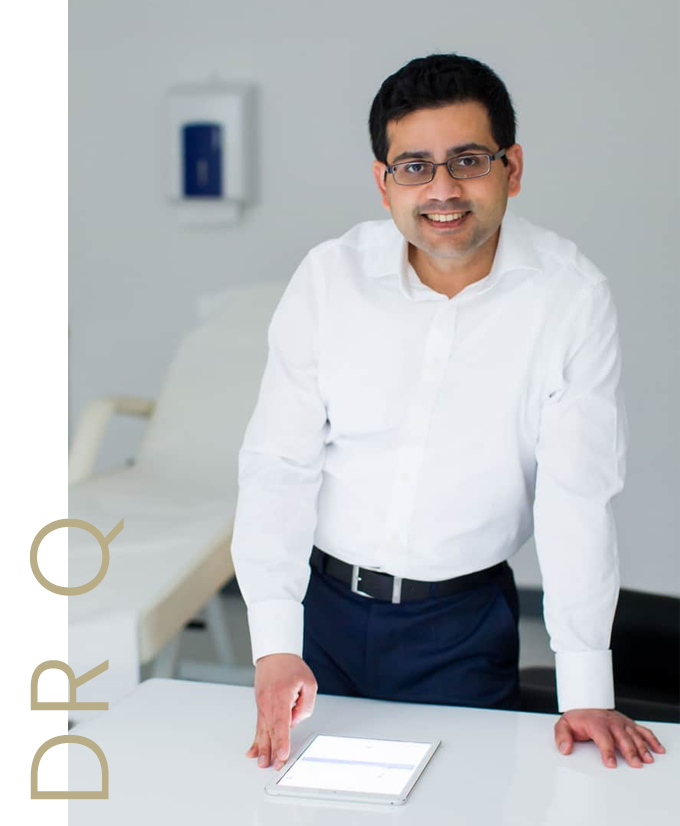
Dr Usman Qureshi (Dr Q) is a leading expert in aesthetic medicine with a 22 year career and a background spanning general practice, including A&E, and 12 years specialising in cosmetic procedures. A University of Glasgow graduate of 2002, he is the innovator behind the signature Q Lift, has performed over 20,000 procedures, and is an international speaker and trainer whose work has featured in Glamour and Harpers Bazaar.