Hyperpigmentation refers to the discolouring of one’s skin. Your skin begins to darken, and you may start to notice patches on different parts of your body. This can occur as a result of old age, creating age spots, and a variety of other reasons as well, such as sun damage.
Melanin is a naturally occurring pigment in your skin that is responsible for your skin, hair and eyes colour. When this goes away, you start to notice changes. When the melanocytes that produce melanin are damaged, excess melanin is produced causing the skin darkening to appear.
Here are a number of ways that you can reduce hyperpigmentation.
At home remedies
First, consider trying a few at-home remedies. For starters, make a mental note to yourself to always wear sunscreen, no matter what, when you go outside. You will be very glad that you did this in the long run!
Then, there are a number of other products that you likely have within your home that you can use as a natural face scrub. This can include using lemons, green tea, Aloe Vera, turmeric, cucumber, sandalwood, among countless others. All of these will help rejuvenate your complexion and treat pigmentation problems, although you will have to be consistent with using them.
Remember always to stay hydrated, and exfoliate your skin, as this will brighten your hyperpigmentation. Make a point of following a healthy diet, as what you eat will have an impact on your skin’s appearance.
Chemical peels
A chemical peel is a treatment that you will need to get professionally done. Essentially, you are using acid on your skin in order to remove the epidermis of your skin and reduce any hyperpigmentation that you have.
The chemical peel will exfoliate your skin by removing any dead skin cells, and help stimulate the growth of new cells.
Laser treatment
A laser treatment, or a laser peel treatment, uses laser beams to reduce the different pigmentation on your skin. There are both ablative and non-ablative lasers for you to choose from. The ablative is more intense as they remove certain layers from your skin, whereas the non-ablative induce the growth of collagen and targets the dermis layer of your skin.
Laser treatment is often considered to be one of the most advanced treatment options for assisting with hyperpigmentation.
Microdermabrasion
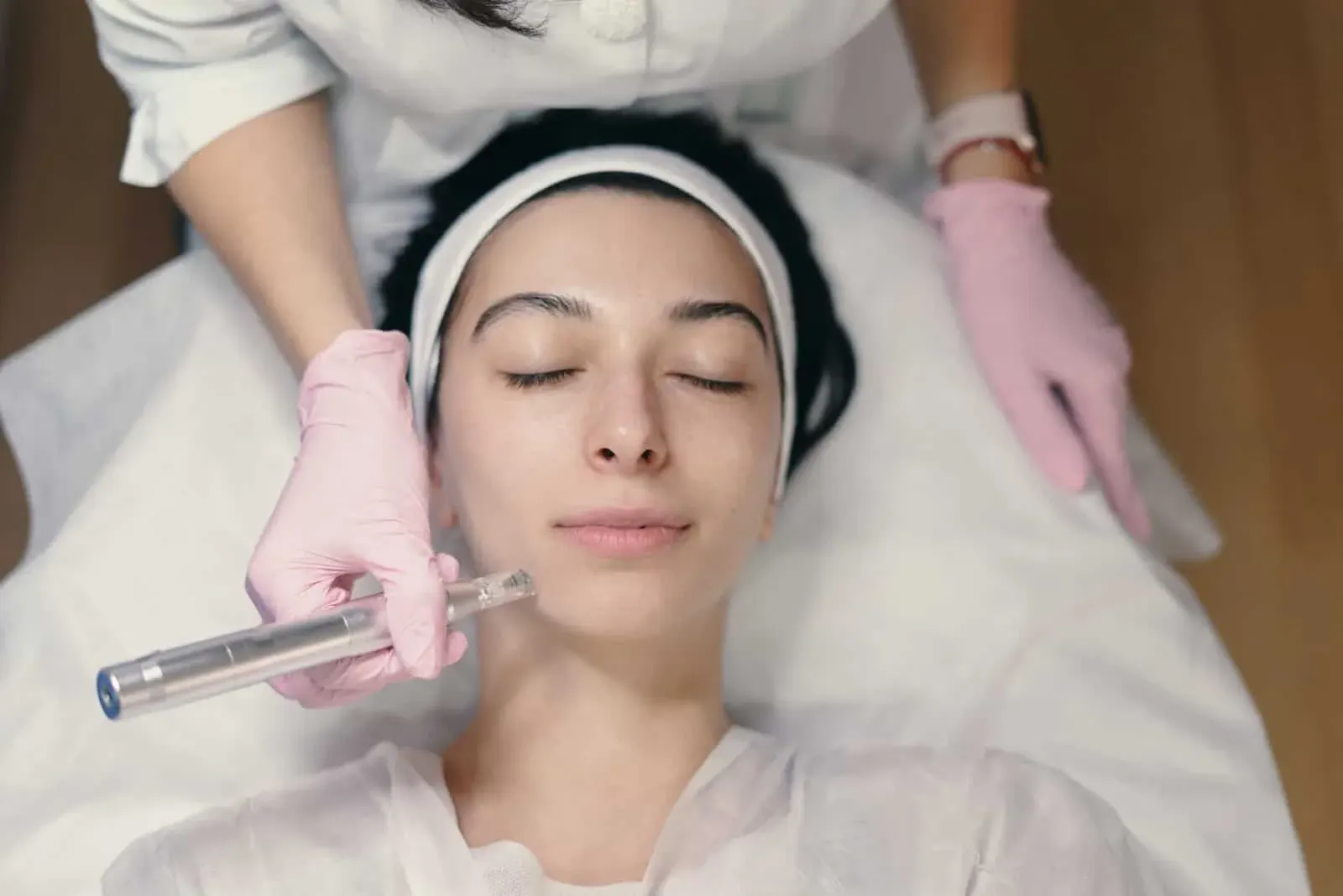
A dermatologist, who will use a handheld tool on your face, must perform microdermabrasion. This process will help remove the outer layer of dead skin cells on your face, allowing for new growth. However, this treatment will only affect your epidermis, and you will need to get it done a few times.
Dermabrasion
Dermabrasion, on the other hand, removes both your epidermis and it affects your dermis, as well. This procedure is known to not only affect pigmentation problems, but it can assist with any unwanted texture on our face.
No matter the reason for your hyperpigmentation, remember that there is a solution. Your next step should thus be to book an appointment with a dermatologist, who can properly assess your skin and tell you which option will benefit you, the most. Remember, all treatment options are safe, and they are there to help you achieve the complexion you want.
Check out our Hyperpigmentation Treatment at our Glasgow Clinic

Dr Usman Qureshi (Dr Q) is a leading expert in aesthetic medicine with a 22 year career and a background spanning general practice, including A&E, and 12 years specialising in cosmetic procedures. A University of Glasgow graduate of 2002, he is the innovator behind the signature Q Lift, has performed over 20,000 procedures, and is an international speaker and trainer whose work has featured in Glamour and Harpers Bazaar.