If acne has settled and your skin still does not look smooth, the first thing worth establishing is what you are actually looking at. Flat brown or red patches are usually pigment and inflammation, and they often fade on their own. Dents, pits and raised ridges are true scars, and those are a structural change in the skin that will not fade with time or with a serum. The distinction matters because it decides what will work, what will waste your money, and what is worth doing at all. At Luxe Skin by Dr Q in Glasgow, Dr Usman Qureshi treats acne scarring with Morpheus8 and laser skin resurfacing, and the assessment that comes first is the part that decides which of them is appropriate.
The short answer. Acne leaves two different things behind. Marks are flat and coloured, and time, sun protection and pigment focused treatment usually settle them. Scars are textural, either indented or raised, and they need a treatment that remodels the skin itself. Rolling and shallow boxcar scars respond best to energy based resurfacing. Narrow ice pick scars are the hardest to improve. Raised scars are a separate problem again. Nothing sensible starts until active acne is under control.
What this guide covers
- The difference between an acne mark and an acne scar
- The four kinds of acne scar, and what each one responds to
- How to work out which kind you have
- Why active acne has to be treated first
- What we use at Luxe Skin, and which scars each one suits
- Morpheus8 or laser resurfacing, how the choice is made
- Does skin tone change the plan
- What a course of treatment actually looks like
- Recovery and aftercare
- What acne scar treatment costs in Glasgow
- What will not work, and what can make things worse
- What results are realistic
- Questions worth asking any clinic
- Frequently asked questions
The difference between an acne mark and an acne scar
An acne mark is a colour change in skin that is otherwise intact. Run a fingertip over it and the surface is level. Two kinds are common. Post inflammatory erythema is the pink or red patch left where a spot has healed, and it is dilated blood vessels near the surface. Post inflammatory hyperpigmentation is the brown or grey brown patch left when the inflammation triggers extra pigment production, and it is more common and more persistent in deeper skin tones.
An acne scar is a change in the structure of the skin. Inflammation that reaches the deeper dermis damages collagen. Where too little collagen is laid down during repair, the skin sits lower than the surrounding surface and you get an indented or atrophic scar. Where too much is laid down, the skin sits higher and you get a raised or hypertrophic scar. Both are permanent changes to the tissue, which is why they do not fade the way a mark does.
This is the single most useful thing to establish before booking anything. Marks improve with time, daily sun protection and pigment focused care, and a course of resurfacing aimed at them is usually unnecessary. Our guide to hyperpigmentation and why SPF is not always the fix covers the pigment side in more detail. Scars do not improve on their own, and no topical product rebuilds lost dermal collagen.
| What you see | Level with the skin | What it usually is | Does it fade on its own |
|---|---|---|---|
| Pink or red flat patch | Yes | Post inflammatory erythema | Often, over months |
| Brown or grey brown flat patch | Yes | Post inflammatory hyperpigmentation | Often, more slowly, sun exposure delays it |
| Small dent or pit | No, sits lower | Atrophic scar | No |
| Broad shallow depression | No, sits lower | Rolling scar | No |
| Raised firm lump on the jaw, chest or back | No, sits higher | Hypertrophic or keloid scar | No |
The four kinds of acne scar, and what each one responds to
Indented acne scars are usually sorted into three shapes, and raised scars form a fourth group. Most people have a mixture, and the mixture is what makes a single treatment rarely the whole answer.
Ice pick scars
Narrow, deep and steep sided, like a small puncture. They are the hardest of all acne scars to improve because the defect runs deeper than resurfacing energy comfortably reaches, and because a treatment that removes enough surrounding tissue to level the surface would leave a larger mark than the one it corrected. Realistic aims are softening of the edges and improvement in the surrounding texture rather than removal.
Boxcar scars
Round or oval depressions with defined vertical walls, wider than an ice pick scar and usually shallower. Shallow boxcar scars respond reasonably well to resurfacing, which softens the wall and stimulates collagen in the floor of the scar. Deep boxcar scars improve less and often need more sessions.
Rolling scars
Broad, shallow, wave like depressions with sloping edges, caused by fibrous bands tethering the skin to the tissue underneath. They are usually the most rewarding to treat, because releasing tension and rebuilding collagen in that zone lifts the whole depression rather than trying to fill a sharp edged hole.
Hypertrophic and keloid scars
Raised, firm and often pink, most commonly on the jawline, chest, shoulders and back. These are the opposite problem, too much collagen rather than too little, and they are managed differently. Resurfacing aimed at indented scarring is not the treatment for them, and they need assessment before anything is done, because some approaches can make a keloid worse.
| Scar type | What it looks like | Typical response to energy based resurfacing |
|---|---|---|
| Ice pick | Narrow, deep, steep sided | Limited. Edges soften, the pit largely remains |
| Boxcar, shallow | Defined round or oval dip, shallow floor | Good over a course |
| Boxcar, deep | Defined dip with steep walls | Partial. More sessions, less complete |
| Rolling | Broad, shallow, wave like | Usually the best responder |
| Hypertrophic or keloid | Raised and firm | Not the right treatment. Needs separate assessment |
The commonest reason a course of acne scar treatment disappoints is that it was aimed at the wrong thing. Half the improvement people want is often pigment, and pigment is a different job.
Luxe Skin by Dr Q, Glasgow
How to work out which kind you have
You will not diagnose your own scarring precisely, and you do not need to. What you can do before a consultation is answer three questions, which will tell you roughly what you are dealing with and make the appointment more useful.
- Look in raking light, not flat light. Stand side on to a window or hold a lamp to one side of your face. Flat bathroom light hides texture. Angled light casts small shadows into indentations and makes the true pattern obvious.
- Stretch the skin gently. Draw the skin taut with two fingers. Rolling scars usually flatten out and almost disappear under tension. Boxcar and ice pick scars keep their outline.
- Photograph it the same way twice. Same window, same angle, same time of day, once now and once in three months. It is the only reliable way to tell a fading mark from a fixed scar, and it is also how you will judge whether a treatment worked.
Worth knowing. Most people substantially overestimate how much of their concern is scarring and underestimate how much is pigment and redness. That is good news, because the pigment half is the more treatable half.
Why active acne has to be treated first
Resurfacing skin that is still breaking out is poor sequencing. New inflammatory lesions create new scarring while you are paying to treat the old, the skin is more reactive so the risk of post inflammatory pigmentation rises, and you cannot judge the result because the picture keeps changing.
Acne itself is a medical condition, and treating it is a different job from treating its aftermath. If you still have regular inflammatory spots, cysts or nodules, that belongs with your GP or a dermatologist first. The NHS guidance on acne sets out the treatment routes, and some of the more effective options are prescription only. Scar work follows, once things have been quiet for a period your clinician is comfortable with.
There is a specific point worth raising if you have taken oral isotretinoin. Clinics differ on how long they wait after a course before resurfacing, and it is a decision for the doctor assessing you, so tell whoever consults with you the dates of any course you have had.
What we use at Luxe Skin, and which scars each one suits
Luxe Skin by Dr Q is an aesthetic clinic at 227 Ingram Street in Glasgow city centre. Two of the treatments on the menu are listed for acne scarring, and they work in different ways.
Morpheus8, radiofrequency microneedling
Morpheus8 delivers radiofrequency energy through fine needles at a controlled depth, so the heat is placed in the dermis rather than at the surface. That is the layer where collagen was lost, and controlled injury there prompts remodelling over the following weeks and months. Because depth is set by the operator, the same device can be adjusted across different areas of the same face. Its listed uses on the treatment page include acne scarring, uneven texture, refining pores and skin tightening. It starts from £400.
It tends to suit rolling scars and shallow boxcar scars, mixed texture across the cheeks, and skin where some tightening is wanted alongside the scar work. We cover the device in more depth in our guides to microneedling in Glasgow and Morpheus8 against traditional microneedling.
Laser skin resurfacing with LaserMe
laser skin resurfacing works from the surface down, removing or heating columns of tissue so that the skin repairs with new collagen and a more even surface. Its listed uses include acne scarring, pigmentation, sun damage, fine lines and enlarged pores, and it starts from £500. Because it also addresses tone, it is often the better choice where pigment and texture are both part of the picture. Our laser resurfacing guide by skin type goes through the suitability question in detail.
| Morpheus8 | Laser skin resurfacing (LaserMe) | |
|---|---|---|
| How it works | Radiofrequency delivered into the dermis through micro needles | Laser energy applied from the surface, resurfacing and heating |
| Works best on | Rolling scars, shallow boxcar scars, texture with laxity | Texture combined with pigmentation and sun damage |
| Also addresses | Tightening, pores, fine lines | Tone, pigmentation, sun damage, pores |
| Listed from | £400 | £500 |
| Where to read more | Morpheus8 page | Laser resurfacing page |
Morpheus8 or laser resurfacing, how the choice is made
Neither device is better than the other in the abstract. The choice follows the skin in front of the practitioner, and four things weigh on it.
- The scar pattern. Predominantly rolling and shallow boxcar scarring points towards depth controlled radiofrequency. A surface that is uneven in tone as well as texture points towards laser.
- Whether pigment is part of the concern. If a good share of what bothers you is brown or red rather than dented, treating tone will change the appearance more than treating texture will.
- Skin tone and how your skin has reacted before. See the section below, this genuinely changes the plan.
- Downtime you can actually take. A plan you postpone twice because of work is worse than a gentler plan you complete.
In practice a mixed pattern is common and the answer is often a sequence rather than a single choice. That sequencing is the part worth paying for, and it is what a consultation with Dr Usman Qureshi is for.
Does skin tone change the plan
Yes, and any clinic that says otherwise is not paying attention. Richer skin tones carry more active melanocytes, so heat and injury in the skin carry a higher chance of post inflammatory hyperpigmentation, which is a temporary darkening in the treated area that can take months to settle. It is not a reason to avoid treatment. It is a reason to plan differently.
What changes in practice: settings are usually more conservative, courses are spread further apart, preparation of the skin before treatment matters more, and sun protection afterwards stops being optional. A patch test in a discreet area is a reasonable request, and a clinic that welcomes it is telling you something useful about how it works.
Tell whoever consults with you how your skin has behaved after previous inflammation, minor burns or cuts. A history of marks that took a long time to fade, or of raised scarring, is more informative than any chart.
What a course of treatment actually looks like
Acne scarring is treated in courses, not single appointments, because collagen remodelling is slow. The pattern below is typical, and your own plan is set at consultation.
- Consultation and assessment. Scar pattern mapped in good light, skin tone and history taken, active acne addressed if it is still present, expectations set in plain terms.
- Preparation. A period of settling the skin, with sun exposure managed, before the first session.
- The treatment sessions. Usually a small series spaced several weeks apart so the skin recovers and remodels between them.
- The waiting. The visible change lags the treatment. New collagen forms over weeks to months, so the result at three months is not the final result.
- Review and top up. Photographs compared under the same lighting, and a decision on whether further sessions are worth doing.
Set the clock correctly. If you are treating scarring for an event, start the better part of a year ahead, not six weeks. The last thing you want is a session close enough to the date that you are still in the recovery window.
Recovery and aftercare
Recovery depends on the device and on how aggressively it is set, and the specifics for your plan come from the clinic that treats you. The shape of it is consistent though.
- Expect redness, warmth and a sunburn like feeling for the first day or two, and some swelling.
- The skin often feels rough or sandpapery for several days as the surface renews. Do not pick at it, and do not exfoliate it.
- Keep the skin clean and simple. Follow the aftercare you are given rather than layering in active ingredients you already own.
- Daily broad spectrum sun protection is not a nicety here. Treated skin that catches sun is the most reliable way to end up with new pigmentation on top of the scarring you came in for.
- Hold off heat, saunas, hot yoga, strenuous exercise and swimming pools for the period you are advised.
- Get in touch with the clinic rather than waiting if anything looks like it is heading the wrong way. Unexpected pain, spreading redness or blistering warrants a call, not a search engine.
What acne scar treatment costs in Glasgow
Published prices for the two relevant treatments at Luxe Skin start at £400 for Morpheus8 and £500 for laser skin resurfacing. Those are starting figures on the price guide, and the total for a course depends on how many sessions your scarring needs and how large an area is treated, which is settled at consultation and not before.
Two points worth holding onto when you compare quotes. A single session price is not a course price, and a course is what scarring needs, so ask what the whole plan is likely to cost. And a very low headline price usually means either a smaller area, a gentler setting or fewer sessions than the plan actually requires, which is not a saving.
Luxe Skin also runs an aesthetic membership, the Q Plan, which is worth asking about if you expect to be treated across several appointments.
What will not work, and what can make things worse
- Scrubs and harsh exfoliation. Scarring sits in the dermis. Abrading the surface will not reach it, and inflaming the skin risks fresh pigmentation.
- Home needling devices. Depth control is the entire point of needling, and a home roller has none. It also carries an infection risk that a clinic setting does not.
- Treating while acne is active. Covered above, and it is the commonest sequencing mistake.
- Squeezing anything. The deeper the inflammation goes, the more likely a scar is to form. Most of the prevention available happens at this stage.
- Sun exposure between sessions. This is the one people underestimate. It undoes tone improvements and adds pigmentation to a treated area that is more vulnerable than usual.
- Fillers as a first move for widespread scarring. Filler has a role in specific, individual depressions in some hands, but it is a different tool from a course aimed at overall texture, and it is not a substitute for one.
What results are realistic
Acne scarring is improved, not erased. That is not a hedge, it is the physical reality of the tissue. A good course softens the shadows, evens the surface and makes the skin read as smoother in normal light, and the person who notices the difference most is you, in raking light, against your own photograph from before.
How much improvement depends on the mixture you started with. Predominantly rolling scarring can change a great deal. A face dominated by narrow ice pick scars will change less, and hearing that clearly at consultation is worth more than an optimistic number. If a clinic quotes you a percentage improvement before it has looked at your skin in proper light, treat the number as marketing.
The short version
- Flat colour is a mark and usually fades. A change in surface height is a scar and does not.
- Rolling and shallow boxcar scars respond best. Ice pick scars respond least. Raised scars are a separate problem.
- Get active acne under control first, through your GP or a dermatologist if it is still inflammatory.
- Morpheus8 works at depth in the dermis. Laser resurfacing also addresses tone. The mixture in your skin decides which, or in what order.
- It is a course over months, not an appointment, and daily sun protection between sessions is part of the treatment.
- Published starting prices at Luxe Skin are £400 for Morpheus8 and £500 for laser skin resurfacing.
Questions worth asking any clinic
- Which scar types do I actually have, and which of them are you expecting to change?
- How much of what I am seeing is pigment rather than scarring?
- Who performs the treatment, and what is their training on this device?
- How many sessions do you expect, and what is the full cost of the course rather than one appointment?
- Given my skin tone and history, what is the risk of pigmentation afterwards and how are you reducing it?
- What does recovery look like in days, and what can I not do during it?
- How and when will we compare results, and will the photographs be taken under the same lighting?
- What happens, and what does it cost, if the response is weaker than expected?
Frequently asked questions
Can acne scars be removed completely?
No treatment removes acne scarring entirely. Scarring is a structural change in the dermis, and the realistic aim is meaningful improvement in how smooth and even the skin looks rather than erasure. Rolling and shallow boxcar scars can improve a great deal. Narrow ice pick scars improve least.
How do I know whether I have scars or just marks?
Look at your skin in light coming from one side rather than flat overhead light, then run a fingertip across the area. If the surface is level and the change is only in colour, it is a mark and it will usually fade. If the surface dips or is raised, it is a scar and it will not fade on its own.
Which treatment is best for acne scars at Luxe Skin?
Luxe Skin lists two treatments for acne scarring, Morpheus8 radiofrequency microneedling from £400 and laser skin resurfacing with LaserMe from £500. Morpheus8 works at a controlled depth in the dermis and suits rolling and shallow boxcar scarring. Laser resurfacing also addresses pigmentation and sun damage, so it often suits skin where tone and texture are both concerns. Which one, or in what order, is decided at consultation.
How many sessions will I need?
Acne scarring is treated as a course rather than a single appointment, with sessions spaced several weeks apart so the skin can remodel in between. The number depends on the scar pattern, the area treated and how your skin responds, and it is agreed at consultation rather than quoted in advance.
How long before I see a difference?
The visible change lags the treatment because it comes from new collagen, which forms over weeks to months. Expect the surface to look worse before it looks better in the first days, and judge the result against a photograph taken in the same light at three months and again later.
Can I have treatment if my acne is still active?
Not usually, and it is worth understanding why. New inflammatory spots create new scarring while you are paying to treat the old, reactive skin is more likely to pigment afterwards, and the picture keeps changing so nobody can judge the result. Active acne is treated first, through your GP or a dermatologist where it is inflammatory or cystic.
Is acne scar treatment safe for darker skin tones?
It can be, with the right settings and the right pacing. Richer skin tones carry a higher chance of post inflammatory hyperpigmentation after heat or injury in the skin, so treatment is usually more conservative, spaced further apart and paired with careful preparation and strict sun protection. Tell your practitioner how your skin has behaved after previous inflammation or injury, and ask about a patch test.
Does acne scar treatment hurt?
Both treatments are performed with the skin numbed beforehand. Most people describe pressure, heat and a prickling sensation rather than sharp pain during the session, and a warm sunburn like feeling for a day or two afterwards. Your own comfort plan is discussed before you start.
Talk to Dr Q about your skin
If acne has settled and the texture it left has not, the useful next step is a proper look in good light rather than another product. Dr Usman Qureshi consults at Luxe Skin, 227 Ingram Street, Glasgow G1 1DA. Call 0141 573 1473, message 07538 304839 or email info@luxeskin.co.uk.
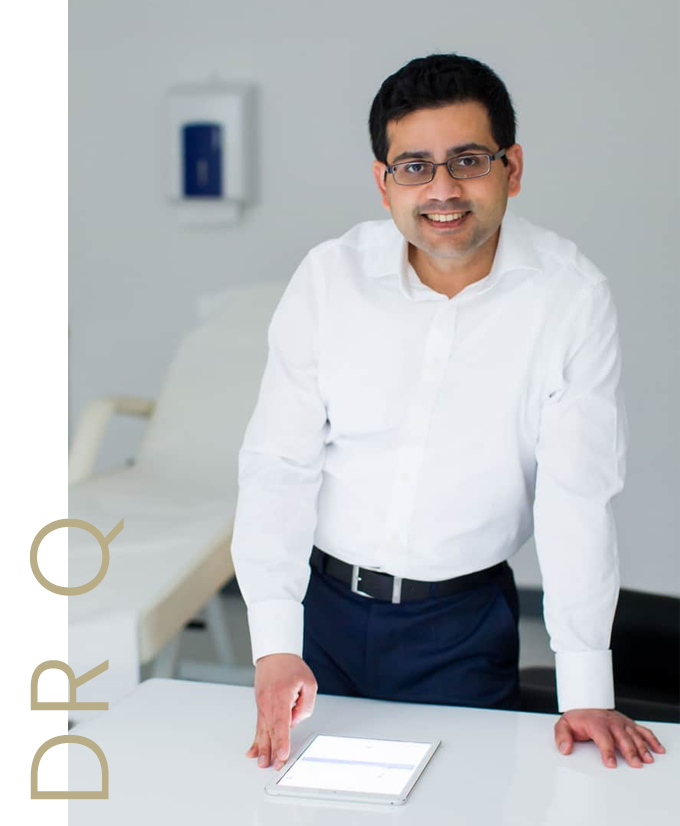
Dr Usman Qureshi (Dr Q) is a leading expert in aesthetic medicine with a 22 year career and a background spanning general practice, including A&E, and 12 years specialising in cosmetic procedures. A University of Glasgow graduate of 2002, he is the innovator behind the signature Q Lift, has performed over 20,000 procedures, and is an international speaker and trainer whose work has featured in Glamour and Harpers Bazaar.