The moment you mention dark spots, melasma, or uneven skin tone, someone is bound to say: “Are you wearing SPF every day?”
And while SPF is crucial. It’s not a cure. In fact, SPF and hyperpigmentation have a far more complex relationship than most skincare influencers or over-the-counter labels let on. For many clients at Luxe Skin by Dr Q, pigmentation persists even with daily sunscreen use.
So why doesn’t SPF always work? Why do some clients experience flare-ups despite wearing high-factor sun protection religiously?
This article will debunk common myths, explain the science of pigmentation, and explore the real strategies that help prevent and reverse discolouration, especially for those prone to melasma, inflammation pigmentation, and persistent post-acne marks.
How Hyperpigmentation Forms (And Persists)
To understand why sunscreen alone doesn’t always fix pigmentation, we need to start at the cellular level.
The Role of Melanocytes
Your skin contains cells called melanocytes that produce melanin. Your natural pigment. When triggered, these cells increase melanin output, leading to patches of darkened skin.
Common triggers include:
- UV exposure (yes, even through windows or clouds)
- Heat (infrared rays, hot yoga, sauna)
- Hormones (pregnancy, HRT, birth control)
- Inflammation (acne, eczema, cuts, peels)
- Aggressive skincare (exfoliants, retinoids used incorrectly)
This means hyperpigmentation is not just sun-related. It’s also tied to trauma and temperature, and these aren’t blocked by sunscreen.
Pigmentation Types We See at Luxe Skin:
| Type | Trigger | Appearance |
|---|---|---|
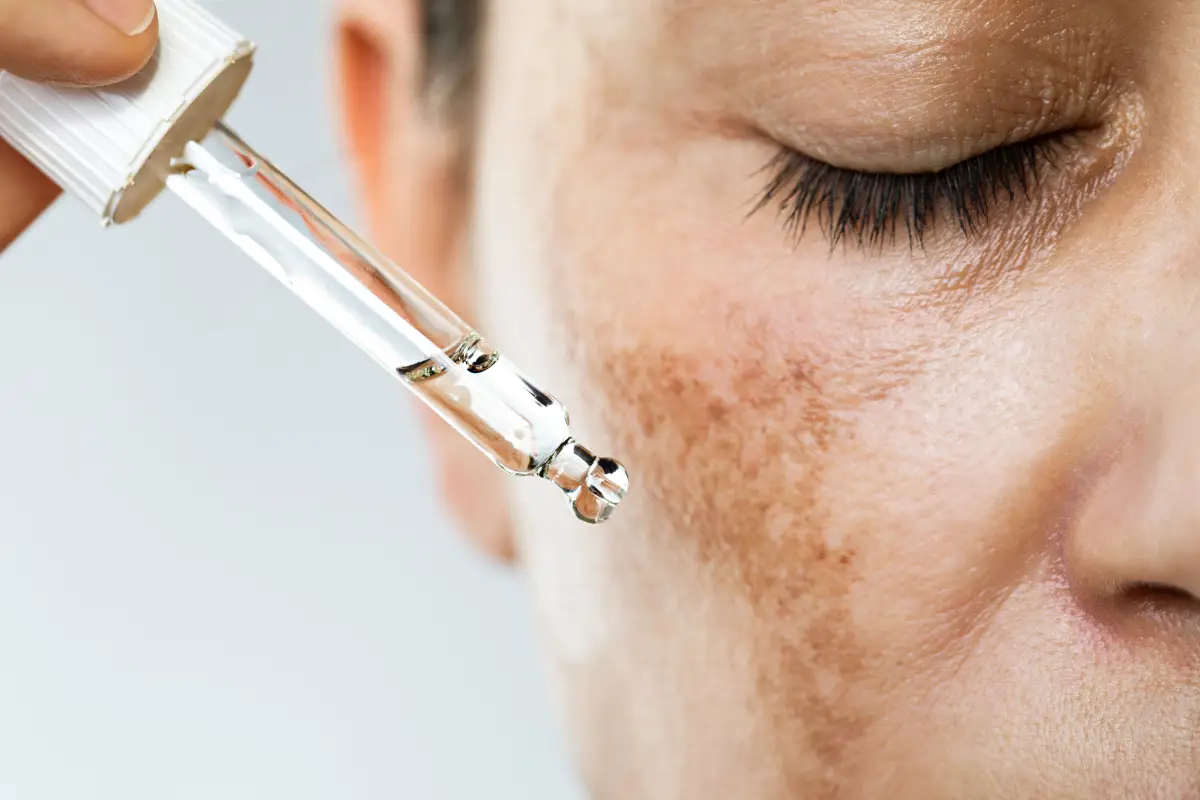
| Melasma | Hormonal shifts, UV, heat | Symmetrical patches on cheeks, forehead, jawline |
| PIH (Post-inflammatory hyperpigmentation) | Acne, eczema, scratches | Flat brown or grey marks after healing |
| Sunspots (Lentigines) | Cumulative sun damage | Isolated brown spots on sun-exposed areas |
Pigment cells are stubborn. Once triggered, they can stay active for months or years unless treated appropriately.
Where SPF Fails and What Works Instead
We’re not anti-SPF. But we are against oversimplified advice. SPF is a tool, not a solution.
SPF Weak Points:
| Issue | Why It Fails |
|---|---|
| Improper Application | Most people don’t use enough (a full teaspoon for face and neck) |
| Infrequent Reapplication | SPF wears off in 2 hours with sun, sweat, or oil |
| Heat Doesn’t Require UV | Pigment can worsen in hot environments, even indoors |
| Blue Light & Infrared | Phones, laptops, and LED lights also stimulate pigment |
SPF is most effective when used with behavioural changes and active pigment suppressors.
What Works Instead:
- Broad-spectrum mineral SPF (with iron oxide), Better protection against visible light
- Antioxidants like Vitamin C or ferulic acid, Reduce oxidative pigment triggers
- Cool environments, Avoid intense heat if you’re prone to melasma
- Barrier-strengthening ingredients, Calm inflammation before it darkens
At Luxe Skin, we treat pigmentation like a chronic condition, not a surface issue.
Ingredients to Avoid if You’re Prone to Pigmentation
Many people trying to fade dark spots actually make things worse by using overly harsh products, or combining the wrong actives. If you’re struggling with melasma, PIH, or inflammation-driven pigmentation, you need to treat your skin like it’s reactive and sensitive, because it is.
🚫 High-Risk Ingredients for Pigmentation-Prone Skin:
| Ingredient | Why to Avoid |
|---|---|
| High-percentage AHAs (glycolic acid) | Can inflame already sensitised skin |
| Undiluted retinol | Aggressive cell turnover can trigger rebound pigmentation |
| Essential oils (lemon, lavender, eucalyptus) | Sensitising and photosensitising |
| Fragrance (even natural) | Increases risk of dermatitis, which can darken post-inflammation |
| Benzoyl peroxide (in high strength) | Often too irritating for melanin-rich or healing skin |
That’s not to say these ingredients are bad for everyone, but if you already have pigment instability, they should be used under supervision or avoided entirely.
What to use instead:
- Azelaic acid (calms inflammation and regulates pigment)
- Niacinamide (gentle brightener and skin barrier booster)
- Tranexamic acid (ideal for melasma when used topically or via mesotherapy)
- Polynucleotides or growth factors (regenerate skin with less irritation)
Treatment Protocol: Exosomes, Peels, Lasers
When pigmentation is stubborn, lifestyle and topical tweaks aren’t enough. You need an in-clinic protocol designed to calm melanocyte activity, rebuild healthy skin, and reverse discolouration gently over time.
At Luxe Skin by Dr Q, we build custom pigmentation plans using one or more of the following:
🔹 Exosome Therapy
Exosomes offer next-level skin communication. These nano-vesicles, derived from stem cells, contain growth factors and anti-inflammatory signals that help your skin:
- Regulate melanin production
- Heal damaged tissue
- Reduce visible redness and brown spots
- Strengthen the dermal barrier
They are especially effective for melasma, where inflammation control is key. We often combine them with light resurfacing to accelerate results.
🔹 PRP (Platelet-Rich Plasma)
PRP can help fade pigmentation caused by inflammation, especially post-acne marks or eczema scarring. It promotes gentle collagen renewal without heat or trauma.
Best for:
- Brown marks after acne
- Redness from eczema or irritation
- Dark spots in younger patients
🔹 Chemical Peels
Luxe Skin uses medium-depth, controlled peels that target pigmentation without increasing inflammation. Key actives include:
- Mandelic acid (great for sensitive, darker skin tones)
- Lactic acid (hydrating and brightening)
- Modified Jessner’s peels for melasma
All peels are chosen based on Fitzpatrick skin type, depth of pigment, and history of PIH.
🔹 Laser & Light Treatments
For suitable candidates, Luxe Skin may recommend:
- Non-ablative fractional lasers (stimulate cell turnover and even tone)
- Targeted pigment lasers (spot treat persistent lentigines or freckles)
- LED Light Therapy (calms skin post-peel or PRP)
Importantly, Dr Q never uses pigment lasers on active melasma because they can worsen discolouration if used incorrectly.
🔗 Explore our Hyperpigmentation Services
Real Patient Story: Hannah, Age 38
Skin Type: Fitzpatrick III, hormonal melasma
History: Years of using SPF 50+, tried everything from vitamin C serums to microneedling with poor results
Dr Q’s Plan:
- Session 1: Exosome infusion + LED (cool, regenerative start)
- Week 3: Mandelic peel + tranexamic acid mesotherapy
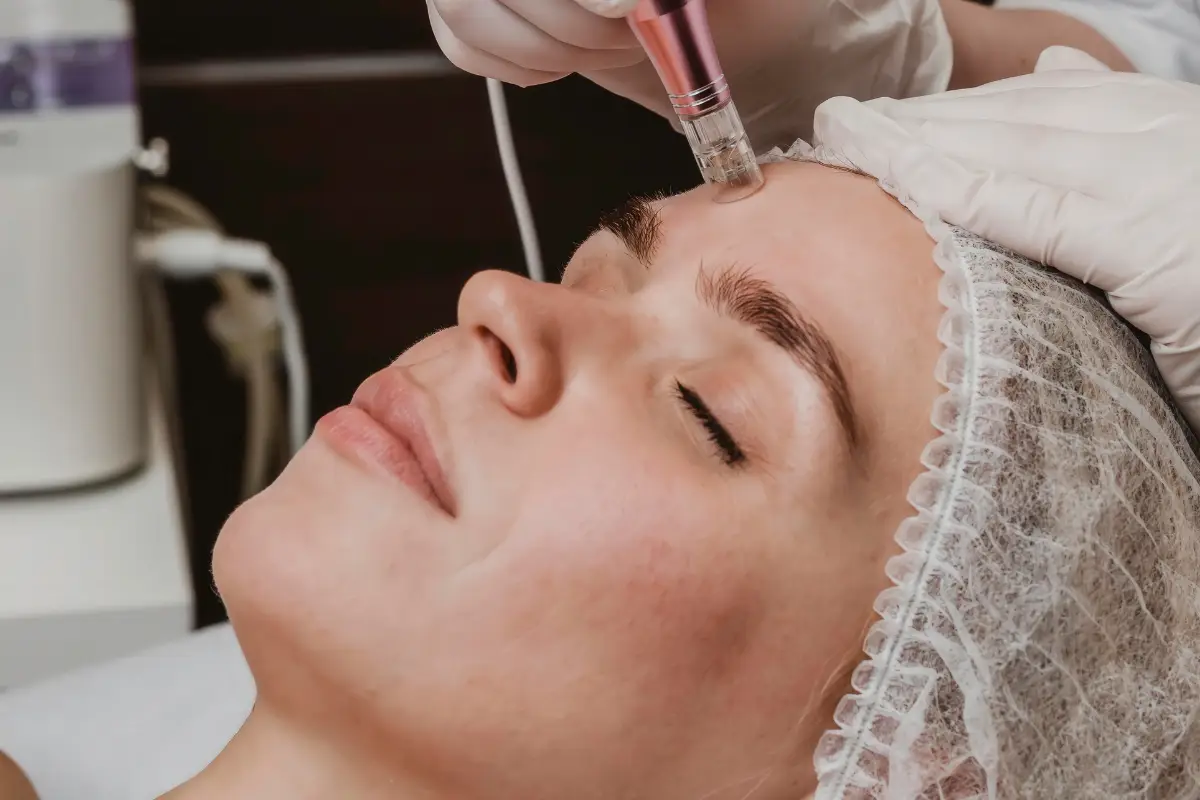
- Week 6: PRP with microneedling (gentle stimulation)
- Maintenance: Topical azelaic acid + pigment-blocking SPF with iron oxide
Results at 12 weeks:
- 60% reduction in visible melasma
- No rebound pigmentation
- Brighter, smoother texture and even tone
“For years I was told to just wear sunscreen. Luxe Skin helped me understand it’s about calming inflammation, not just blocking light.”
Why SPF Is Not Enough on Its Own
Let’s be clear: SPF is still critical. But it’s a maintenance tool, not a reversal strategy. Pigment-prone skin requires:
✔ Daily SPF with physical filters + iron oxides
✔ Barrier repair ingredients (niacinamide, ceramides)
✔ Antioxidants to neutralise pigment-inducing stress
✔ Inflammation control (internal + topical)
✔ In-clinic protocols that reset melanocyte behaviour
Only then can you see results that last, and avoid the cycle of fading and rebounding every summer.
Request a Pigmentation-Corrective Plan
Struggling with stubborn pigmentation despite using SPF? You’re not alone, and you’re not doing anything wrong. Hyperpigmentation is a complex skin response that needs clinical insight and bespoke correction.
Book your consultation with Dr Q at Luxe Skin for a full analysis of your skin type, triggers, and treatment tolerance. You’ll receive a customised plan that targets the root of the pigment, not just the surface.
Luxe Skin, Aesthetic Clinic by Doctor Q
227 Ingram St, Glasgow G1 1DA, United Kingdom
🔗 https://luxeskin.co.uk
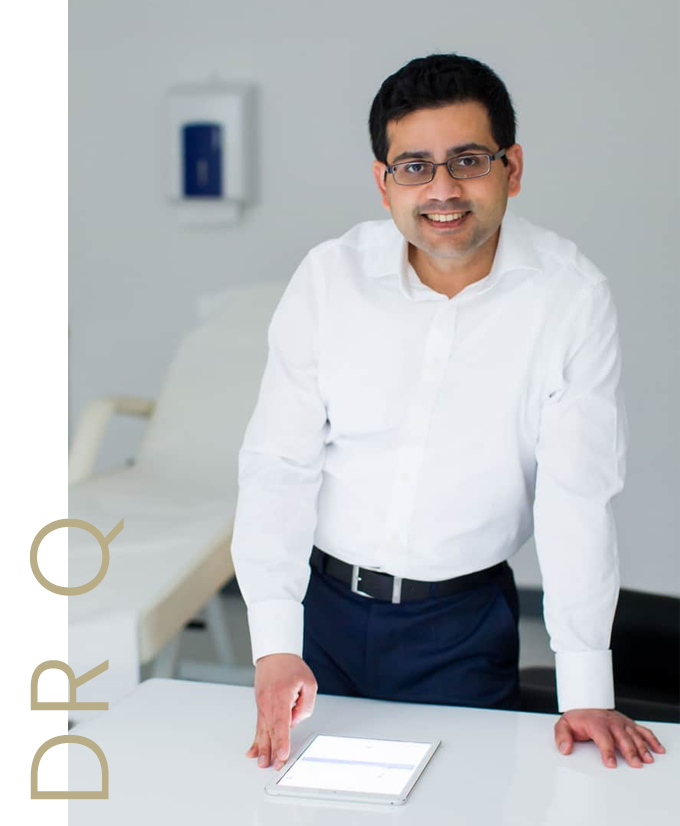
Dr Usman Qureshi (Dr Q) is a leading expert in aesthetic medicine with a 22 year career and a background spanning general practice, including A&E, and 12 years specialising in cosmetic procedures. A University of Glasgow graduate of 2002, he is the innovator behind the signature Q Lift, has performed over 20,000 procedures, and is an international speaker and trainer whose work has featured in Glamour and Harpers Bazaar.