
Introduction: The Hidden Cost of Summer Sunshine
The summer holiday season brings joy, relaxation, and cherished memories, but often at a cost to our skin. While that sun-kissed glow might look appealing in your holiday photos, the underlying damage can linger long after your tan fades. Ultraviolet radiation, chlorinated pools, salty seawater, and dehydration all take their toll, accelerating skin ageing and potentially causing long-term damage.
At our Aesthetic Clinic in Glasgow, we understand that post-holiday skin recovery requires more than just basic moisturising. True skin rehabilitation demands a comprehensive, science-based approach that addresses damage at multiple levels, from surface pigmentation to deep structural changes.
This guide explores the science behind sun damage, provides a systematic approach to post-holiday skin recovery, and outlines advanced treatment protocols for different skin concerns. Whether you’re dealing with hyperpigmentation, dehydration, or premature ageing after your summer getaway, these evidence-based strategies will help restore your skin’s health, radiance, and resilience.
Understanding UV Damage: The Science Behind Sun-Exposed Skin
Before exploring recovery strategies, it’s essential to understand exactly what happens to your skin during sun exposure.
The Spectrum of Solar Radiation
Not all sunlight affects your skin in the same way:
UVA Radiation (320-400nm):
•Penetrates deeply into the dermis
•Causes immediate tanning effect
•Generates free radicals that damage collagen and elastin
•Contributes to photoageing and wrinkle formation
•Passes through window glass and clouds
•Present consistently throughout daylight hours
UVB Radiation (290-320nm):
•Primarily affects the epidermis
•Responsible for sunburn and delayed tanning
•Directly damages DNA in skin cells
•Primary contributor to skin cancer development
•Blocked by window glass
•Strongest between 10am and 4pm
Visible Light (400-700nm):
•Particularly high-energy visible light (blue light)
•Contributes to hyperpigmentation, especially in darker skin types
•Penetrates deeply into skin
•Generates free radicals
•Emitted by electronic devices as well as the sun
•Often overlooked in sun protection strategies
Infrared Radiation (700nm-1mm):
•Generates heat in the skin
•Contributes to free radical formation
•May accelerate collagen breakdown
•Penetrates most deeply of all solar radiation
•Comprises approximately 40% of solar energy reaching skin
•Emerging research area in photoageing
The Biological Impact of Sun Exposure
What actually happens within your skin during and after UV exposure:
Immediate Effects (0-24 hours):
•UVB triggers inflammatory cascade leading to erythema (redness)
•Melanocytes accelerate melanin production as a protective response
•DNA damage occurs in keratinocytes and melanocytes
•Langerhans cells (immune cells) become depleted
•Skin barrier function becomes compromised
•Transepidermal water loss increases
Short-Term Effects (1-7 days):
•Delayed tanning response develops
•Epidermal hyperplasia (thickening) occurs as a protective mechanism
•Sunburned cells undergo programmed cell death (apoptosis)
•Inflammatory mediators continue to affect skin
•Melanin distribution becomes irregular
•Dehydration manifests as tightness and flaking
Long-Term Effects (weeks to years):
•Collagen and elastin fibres become damaged and disorganised
•Solar lentigines (sun spots) develop from melanin clumping
•Telangiectasia (visible blood vessels) form from vascular damage
•Skin texture becomes rougher and pore size increases
•Dermal volume decreases due to matrix degradation
•Persistent DNA mutations may lead to skin cancers
The Skin’s Natural Recovery Mechanisms
Understanding how skin attempts to repair itself after sun exposure:
DNA Repair Processes:
•Nucleotide excision repair removes damaged DNA segments
•Base excision repair addresses oxidative damage
•Mismatch repair corrects errors in DNA replication
•Efficiency decreases with age and cumulative sun exposure
•Varies significantly between individuals (genetic factors)
•Can be supported with specific topical ingredients
Antioxidant Defences:
•Endogenous antioxidants neutralise free radicals
•Include glutathione, superoxide dismutase, catalase
•Become depleted during significant UV exposure
•Require time to regenerate after depletion
•Can be supplemented with topical and oral antioxidants
•Critical for preventing ongoing damage
Inflammatory Resolution:
•Anti-inflammatory mediators counteract initial inflammation
•Specialised pro-resolving mediators (SPMs) facilitate healing
•Resolution phase often incomplete after significant damage
•Chronic low-grade inflammation may persist
•Can be supported with specific anti-inflammatory interventions
•Critical for preventing post-inflammatory hyperpigmentation
Barrier Restoration:
•Lipid synthesis increases to repair compromised barrier
•Ceramide, cholesterol, and fatty acid production accelerates
•Complete restoration takes approximately 14 days
•Often incomplete without intervention after significant damage
•Can be supported with specific barrier-repair ingredients
•Essential for preventing further damage and dehydration
“Understanding the biological mechanisms of UV damage allows us to develop targeted recovery protocols that work with the skin’s natural repair processes rather than against them. This science-based approach ensures more effective and lasting results than generic ‘after-sun’ treatments.” Dr Q, Luxe Skin by Dr Q
Comprehensive Assessment: Identifying Your Post-Holiday Skin Concerns
Before implementing recovery protocols, a thorough assessment of your specific concerns is essential.
Common Post-Holiday Skin Manifestations
Identifying the specific ways sun exposure has affected your skin:
Pigmentation Changes:
•Solar lentigines (sun spots): Flat brown spots from cumulative exposure
•Melasma exacerbation: Hormonal pigmentation worsened by sun
•Freckle darkening: Intensification of existing freckles
•General tan: Overall darkening from melanin production
•Post-inflammatory hyperpigmentation: Darkening after sunburn
•Uneven tone: Patchy pigmentation from inconsistent protection
Textural Changes:
•Surface roughness: Accumulation of damaged cells
•Enlarged pores: Inflammation and collagen damage around follicles
•Fine lines: Acceleration of existing lines and formation of new ones
•Crepiness: Thin, fragile skin texture from matrix damage
•Dullness: Loss of light reflection from irregular surface
•Dehydration lines: Temporary fine lines from moisture loss
Vascular Changes:
•Persistent erythema: Lingering redness from inflammation
•Telangiectasia: Visible capillaries from vascular damage
•Flushing: Increased reactivity and sensitivity
•Mottled appearance: Irregular blood flow patterns
•Heat retention: Continued warmth in sun-exposed areas
•Purpura: Bruise-like marks from vessel fragility
Barrier Dysfunction:
•Increased sensitivity: Heightened reaction to products
•Stinging/burning: Nerve ending exposure from barrier damage
•Dehydration: Increased transepidermal water loss
•Flaking: Visible desquamation from disrupted cell turnover
•Tightness: Sensation from moisture loss and inflammation
•Breakouts: Increased acne or folliculitis from barrier disruption
The Fitzpatrick Scale and Recovery Considerations
How your skin type affects both damage patterns and recovery approaches:
| Fitzpatrick Type | Characteristics | Common Post-Holiday Concerns | Recovery Considerations |
| Type I | Very fair, always burns | Severe sunburn, persistent redness, rapid photoageing | Gentle approach, extended recovery time, focus on barrier repair and anti-inflammatory treatments |
| Type II | Fair, usually burns | Moderate to severe sunburn, freckling, visible vessels | Gradual introduction of actives, emphasis on antioxidants and vascular treatments |
| Type III | Medium, sometimes burns | Moderate tanning, some pigmentation, textural changes | Balanced approach to pigmentation and textural concerns, moderate strength treatments |
| Type IV | Olive, rarely burns | Deep tanning, post-inflammatory hyperpigmentation, melasma risk | Cautious approach to pigmentation treatments, focus on tyrosinase inhibition |
| Type V | Brown, very rarely burns | Significant hyperpigmentation risk, subtle sun damage | Gentle pigmentation protocols, avoid aggressive treatments that may worsen pigmentation |
| Type VI | Dark brown/black, never burns | Persistent hyperpigmentation, less visible textural damage | Very cautious approach, focus on barrier repair and gentle brightening ingredients |
Diagnostic Approaches for Comprehensive Assessment
Tools and techniques for evaluating the extent of sun damage:
Visual Assessment:
•Standardised photography in multiple lighting conditions
•Comparison with pre-holiday baseline images
•Examination with magnification
•Assessment of dynamic vs. static changes
•Evaluation of regional variation in damage
•Documentation of specific concerns
Advanced Imaging:
•UV photography to reveal subsurface pigmentation
•Visia skin analysis for quantifiable damage metrics
•Cross-polarised imaging to assess vascular component
•3D imaging to document textural changes
•Moisture mapping to identify dehydration patterns
•Serial imaging to track recovery progress
Functional Testing:
•Transepidermal water loss measurement
•Skin barrier function assessment
•Elasticity testing
•pH measurement
•Sebum production evaluation
•Sensitivity threshold testing
Patient History Factors:
•Duration and intensity of sun exposure
•Sunscreen application patterns and SPF used
•Previous sun damage history
•Genetic predispositions
•Existing skincare routine
•Concurrent medications (especially photosensitising ones)
The Four-Week Recovery Protocol: Restoring Skin Health After Sun Exposure
A systematic approach to post-holiday skin rehabilitation based on healing timelines.
Week One: Calming and Repairing
The first phase focuses on reducing inflammation and restoring barrier function:
Primary Goals:
•Reduce inflammatory response
•Restore skin barrier integrity
•Rehydrate depleted tissues
•Prevent post-inflammatory hyperpigmentation
•Soothe discomfort and sensitivity
•Begin gentle antioxidant replenishment
Treatment Protocol:
1.Gentle Cleansing: pH-balanced, non-foaming cleansers without fragrance or sulfates
2.Barrier Repair: Ceramide-rich moisturisers applied to damp skin
3.Anti-Inflammatory Agents: Centella asiatica, aloe vera, colloidal oatmeal
4.Hydration Boosting: Hyaluronic acid serums with multiple molecular weights
5.Antioxidant Support: Gentle vitamin C derivatives (sodium ascorbyl phosphate)
6.Physical-Only Sun Protection: Mineral sunscreens with zinc oxide/titanium dioxide
Professional Treatments:
•LED therapy (red light) for inflammation reduction
•Gentle cooling cryotherapy for heat reduction
•Barrier repair masks with biomimetic lipids
•Hydrating facial with electroporation for deep hydration
•Lymphatic drainage to reduce fluid retention
•Probiotic treatments to restore microbiome balance
Ingredients to Avoid:
•Retinoids and retinol
•Alpha and beta hydroxy acids
•Physical exfoliants
•Fragrance and essential oils
•Alcohol-based products
•Vitamin C in L-ascorbic acid form
Week Two: Correcting and Normalising
The second phase addresses pigmentation and begins cellular turnover:
Primary Goals:
•Begin addressing hyperpigmentation
•Normalise cell turnover rate
•Continue barrier strengthening
•Enhance antioxidant protection
•Improve microcirculation
•Support collagen preservation
Treatment Protocol:
1.Gentle Exfoliation: Enzyme-based exfoliants 1-2 times weekly
2.Brightening Agents: Niacinamide (5%), alpha arbutin, tranexamic acid
3.Advanced Hydration: Addition of humectants like glycerin and polyglutamic acid
4.Antioxidant Intensification: Introduction of stable vitamin C formulations
5.Barrier Support: Continued ceramide and fatty acid supplementation
6.Broad-Spectrum Protection: Antioxidant-enhanced sunscreens with visible light protection
Professional Treatments:
•Gentle lactic acid peels (10-20%)
•Ultrasound-assisted product penetration
•Mesotherapy with brightening actives
•Oxygen facial therapy
•LED therapy (combination red and blue light)
•Transdermal delivery of antioxidants
Ingredients to Introduce Cautiously:
•Polyhydroxy acids
•Low-concentration mandelic acid
•Bakuchiol (retinol alternative)
•Peptide complexes
•Growth factors
•Licorice root extract
Week Three: Renewing and Rebuilding
The third phase accelerates repair and begins structural improvement:
Primary Goals:
•Accelerate cell turnover
•Target persistent pigmentation
•Begin collagen stimulation
•Address textural irregularities
•Enhance skin radiance
•Support deeper repair processes
Treatment Protocol:
1.Controlled Exfoliation: Introduction of gentle AHAs (lactic, mandelic)
2.Advanced Brightening: Combination pigmentation treatments (kojic acid, vitamin C)
3.Peptide Therapy: Signal peptides for collagen support
4.Antioxidant Layering: Multiple antioxidant types for comprehensive protection
5.Hydration Optimisation: Addition of ceramide precursors and NMF components
6.Targeted Treatments: Spot treatments for persistent pigmentation
Professional Treatments:
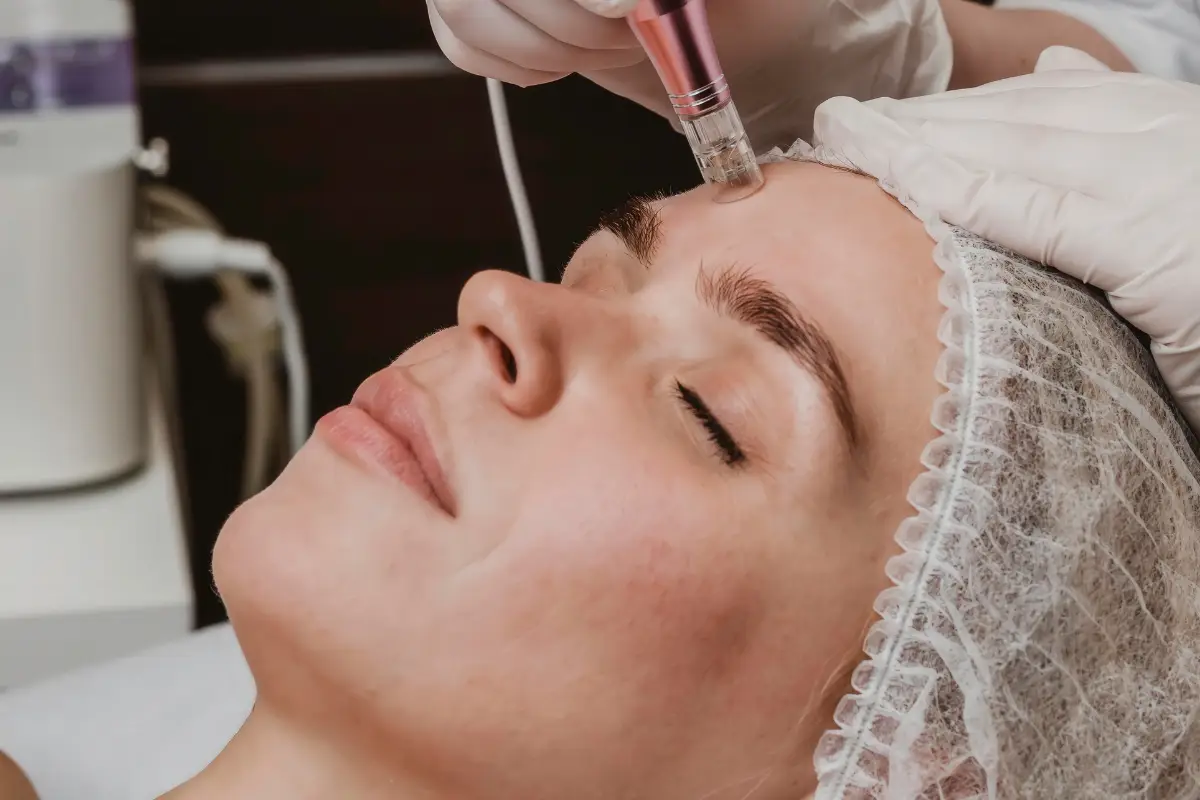
•Microneedling with brightening solutions
•Medium-depth chemical peels
•Intense pulsed light therapy (IPL)
•Radiofrequency treatments
•Ultrasound therapy
•Microcurrent for muscle toning and circulation
Ingredients to Introduce Cautiously:
•Low-concentration retinol (0.25-0.3%)
•Glycolic acid (start at 5-7%)
•Vitamin C in L-ascorbic acid form (10-15%)
•Higher concentration niacinamide (10%)
•Resveratrol and other potent antioxidants
•Hydroquinone alternatives for stubborn pigmentation
Week Four: Optimising and Preventing
The final phase focuses on long-term results and future protection:
Primary Goals:
•Consolidate pigmentation improvements
•Enhance structural support
•Optimise skin function
•Prevent future photodamage
•Establish maintenance routine
•Address any remaining concerns
Treatment Protocol:
1.Regular Exfoliation: Established AHA/BHA routine appropriate for skin type
2.Comprehensive Brightening: Full-spectrum approach to pigmentation
3.Retinoid Introduction: Begin retinoid therapy if not already started
4.Advanced Antioxidants: Stable, multi-pathway antioxidant formulations
5.Barrier Optimisation: Continued support with advanced lipid technology
6.Prevention Strategy: Daily protection with antioxidants and broad-spectrum SPF
Professional Treatments:
•Customised facial based on remaining concerns
•Advanced laser therapy if indicated
•Platelet-rich plasma treatment
•Combination therapy approaches
•Skin booster injections
•Maintenance protocol establishment
Long-Term Maintenance Considerations:
•Seasonal adjustment of routine
•Preventative treatments before next sun exposure
•Regular professional assessments
•Adjustment based on changing skin needs
•Integration of emerging technologies and ingredients
•Comprehensive sun protection strategy
Why a staged plan works better here: skin that is still red and peeling cannot tolerate the treatments that address pigmentation, so a recovery plan is sequenced rather than delivered at once, with barrier repair first and pigment work only once the inflammation has settled. That is also why the plan is reassessed weekly rather than fixed in advance.
Treatment Protocols for Specific Post-Holiday Skin Concerns
Targeted approaches for addressing the most common sun-induced skin issues.
Protocol for Hyperpigmentation and Sun Spots
A comprehensive approach to addressing unwanted pigmentation:
Clinical Assessment:
•Determine depth of pigmentation (epidermal vs. dermal)
•Identify type (solar lentigines, melasma, post-inflammatory)
•Assess distribution pattern
•Evaluate skin sensitivity and barrier function
•Consider Fitzpatrick skin type implications
•Establish realistic treatment expectations
Topical Treatment Regimen:
•Morning:
1.Gentle pH-balanced cleanser
2.Antioxidant serum with vitamin C derivative
3.Brightening serum with niacinamide, alpha arbutin, and tranexamic acid
4.Moisturiser with ceramides and peptides
5.Broad-spectrum SPF 50+ with iron oxide protection
•Evening:
1.Double cleanse with oil-based and water-based cleansers
2.Exfoliating treatment with AHAs (2-3 times weekly)
3.Targeted brightening serum with kojic acid and licorice extract
4.Retinoid treatment (introduced gradually)
5.Barrier-supporting moisturiser
6.Spot treatment with advanced brightening complex
Professional Treatment Series:
•Week 1: Gentle enzyme peel with brightening mask
•Week 2: Microdermabrasion with antioxidant infusion
•Week 3: IPL photofacial targeting pigmentation
•Week 4: Chemical peel (modified Jessner’s or TCA)
•Week 6: Follow-up IPL treatment
•Week 8: Maintenance treatment and assessment
Adjunctive Approaches:
•Oral antioxidants (Polypodium leucotomos extract)
•Heliocare Advanced capsules
•Vitamin C and E supplementation
•Strict sun avoidance during treatment period
•Wide-brimmed hats and physical protection
•Evening application of growth factor serums
Expected Timeline:
•Initial improvement: 2-3 weeks
•Significant improvement: 6-8 weeks
•Optimal results: 12 weeks
•Maintenance protocol: Ongoing
Protocol for Dehydration and Barrier Damage
Restoring moisture balance and skin barrier integrity:
Clinical Assessment:
•Measure transepidermal water loss
•Assess lipid barrier function
•Evaluate desquamation patterns
•Test skin pH levels
•Identify inflammation markers
•Determine microbiome disruption
Topical Treatment Regimen:
•Morning:
1.pH-optimised gentle cleanser (5.5-6.0 pH)
2.Hydrating essence with multiple molecular weight hyaluronic acid
3.Barrier repair serum with ceramides, cholesterol, and fatty acids
4.Humectant-rich moisturiser with glycerin and NMF components
5.Physical sunscreen with moisturising properties
•Evening:
1.Gentle oil-based cleanser
2.Hydrating toner with polyglutamic acid
3.Barrier-supporting serum with niacinamide and panthenol
4.Occlusive moisturiser with shea butter and squalane
5.Overnight mask with biomimetic lipids (2-3 times weekly)
Professional Treatment Series:
•Week 1: Hydrating facial with electroporation
•Week 2: Ultrasound treatment with hyaluronic acid infusion
•Week 3: Hydrating mask with occlusion and LED therapy
•Week 4: Aquapure hydrodermabrasion treatment
•Week 6: Maintenance hydration treatment
Adjunctive Approaches:
•Increased water intake (minimum 2.5 litres daily)
•Omega-3 fatty acid supplementation
•Humidifier use during sleep
•Avoidance of hot water exposure
•Gentle patting (not rubbing) when drying skin
•Layering technique for product application
Expected Timeline:
•Surface hydration improvement: 24-48 hours
•Barrier function improvement: 1-2 weeks
•Complete barrier restoration: 4 weeks
•Maintenance protocol: Ongoing
Protocol for Premature Ageing and Photoageing
Addressing accelerated ageing from UV exposure:
Clinical Assessment:
•Evaluate collagen and elastin damage
•Assess dynamic and static wrinkles
•Measure skin elasticity and firmness
•Identify glycation markers
•Evaluate dermal volume loss
•Determine cellular senescence markers
Topical Treatment Regimen:
•Morning:
1.Antioxidant cleanser with green tea extract
2.Vitamin C serum (15-20% L-ascorbic acid)
3.Peptide complex serum with growth factors
4.DNA repair enzyme moisturiser
5.Broad-spectrum SPF 50+ with antioxidants
•Evening:
1.Double cleanse system
2.Retinoid treatment (prescription-strength if appropriate)
3.Peptide and growth factor serum
4.Barrier-supporting moisturiser with ceramides
5.Eye-specific peptide treatment
Professional Treatment Series:
•Week 1: Assessment and gentle enzyme treatment
•Week 2: Microneedling with growth factor infusion
•Week 4: Fractional laser treatment or radiofrequency
•Week 6: Platelet-rich plasma therapy
•Week 8: Second microneedling session
•Week 12: Maintenance and assessment
Adjunctive Approaches:
•Comprehensive antioxidant supplementation
•Collagen peptide supplementation
•Sleep optimisation strategies
•Stress management techniques
•Anti-inflammatory diet recommendations
•Advanced sunscreen protocols
Expected Timeline:
•Initial improvement in skin quality: 2-3 weeks
•Visible reduction in fine lines: 6-8 weeks
•Structural improvements: 12 weeks
•Continued improvement with maintenance: 6+ months
Protocol for Heat-Induced Sensitivity and Redness
Calming inflammation and reducing vascular reactivity:
Clinical Assessment:
•Identify vascular component vs. true inflammation
•Assess barrier function impact on sensitivity
•Evaluate trigger factors
•Determine neurogenic inflammation markers
•Assess microbiome disruption
•Identify potential contact sensitisers
Topical Treatment Regimen:
•Morning:
1.Extremely gentle cleanser (micellar water if very sensitive)
2.Centella asiatica serum with madecassoside
3.Barrier repair cream with ceramides
4.Mineral-only sunscreen with zinc oxide
•Evening:
1.Oil-based gentle cleanser
2.Anti-inflammatory serum with azelaic acid
3.Redness-reducing moisturiser with niacinamide
4.Spot treatment with colloidal oatmeal for intense areas
Professional Treatment Series:
•Week 1: LED red light therapy
•Week 2: Cooling cryotherapy treatment
•Week 3: Gentle ultrasound treatment
•Week 4: LED combination therapy
•Week 6: Maintenance anti-inflammatory facial
Adjunctive Approaches:
•Elimination diet to identify inflammatory triggers
•Avoidance of hot showers and saunas
•Cool compress application when needed
•Anti-inflammatory supplement protocol
•Gentle exercise to improve circulation
•Stress reduction techniques
Expected Timeline:
•Immediate comfort improvement: 24-48 hours
•Visible redness reduction: 1-2 weeks
•Sensitivity threshold improvement: 3-4 weeks
•Long-term stability: 8-12 weeks
Advanced Professional Treatments for Comprehensive Recovery
In-clinic procedures that accelerate the skin’s recovery from sun damage.
Light-Based Therapies
Harnessing the power of specific light wavelengths:
Intense Pulsed Light (IPL):
•Mechanism: Broad-spectrum light targeting melanin and haemoglobin
•Primary Benefits: Pigmentation reduction, vascular lesion treatment
•Treatment Protocol: Series of 3-5 treatments, 3-4 weeks apart
•Downtime: Minimal, some redness for 24-48 hours
•Ideal Timing: Begin 3-4 weeks post-sun exposure
•Contraindications: Recent tan, Fitzpatrick V-VI, certain medications
LED Phototherapy:
•Mechanism: Specific wavelengths stimulate cellular response
•Primary Benefits: Inflammation reduction, collagen stimulation
•Treatment Protocol: 2-3 sessions weekly for 4-6 weeks
•Downtime: None
•Ideal Timing: Can begin immediately post-sun exposure
•Contraindications: Photosensitising medications, certain eye conditions
Laser Resurfacing (Non-Ablative):
•Mechanism: Controlled thermal injury stimulating collagen remodelling
•Primary Benefits: Texture improvement, fine line reduction
•Treatment Protocol: 3-5 treatments, 4 weeks apart
•Downtime: 1-3 days of mild redness
•Ideal Timing: Begin 4-6 weeks post-sun exposure
•Contraindications: Recent sun exposure, active infections, pregnancy
Chemical Peels and Exfoliation
Accelerating cellular turnover and renewal:
Progressive Peel Series:
•Mechanism: Gradually increasing acid concentrations for controlled exfoliation
•Primary Benefits: Pigmentation reduction, texture improvement
•Treatment Protocol: Series of 4-6 peels, increasing strength each time
•Downtime: 1-5 days depending on strength
•Ideal Timing: Begin 2-3 weeks post-sun exposure with gentlest formulation
•Contraindications: Compromised barrier, active inflammation
Enzyme Treatments:
•Mechanism: Protein-digesting enzymes remove damaged cells
•Primary Benefits: Gentle exfoliation, improved product penetration
•Treatment Protocol: Weekly treatments for 4-6 weeks
•Downtime: None to minimal
•Ideal Timing: Can begin 1 week post-sun exposure
•Contraindications: Severe sensitivity, active infection
Jessner’s Combination Peel:
•Mechanism: Synergistic action of salicylic acid, lactic acid, and resorcinol
•Primary Benefits: Comprehensive improvement in pigmentation and texture
•Treatment Protocol: 2-3 treatments, 4 weeks apart
•Downtime: 5-7 days of peeling and redness
•Ideal Timing: Begin 4-6 weeks post-sun exposure
•Contraindications: Pregnancy, aspirin allergy, compromised barrier
Advanced Delivery Systems
Enhancing penetration of active ingredients:
Microneedling with Serum Infusion:
•Mechanism: Controlled micro-injuries enhance product penetration
•Primary Benefits: Collagen induction, improved product efficacy
•Treatment Protocol: 3-4 treatments, 4-6 weeks apart
•Downtime: 24-48 hours of redness and sensitivity
•Ideal Timing: Begin 4 weeks post-sun exposure
•Contraindications: Active acne, recent sun exposure, autoimmune conditions
Electroporation:
•Mechanism: Electrical pulses create temporary channels in cell membranes
•Primary Benefits: Enhanced delivery of hydrating and brightening actives
•Treatment Protocol: Weekly treatments for 4-6 weeks
•Downtime: None
•Ideal Timing: Can begin 1-2 weeks post-sun exposure
•Contraindications: Pacemakers, metal implants in treatment area
Ultrasound Product Infusion:
•Mechanism: Ultrasonic waves enhance product penetration
•Primary Benefits: Improved hydration, enhanced active ingredient delivery
•Treatment Protocol: Weekly treatments for 4-6 weeks
•Downtime: None
•Ideal Timing: Can begin 1 week post-sun exposure
•Contraindications: Broken capillaries, rosacea, severe sensitivity
Regenerative Approaches
Stimulating the skin’s natural repair mechanisms:
Platelet-Rich Plasma (PRP):
•Mechanism: Growth factors from patient’s blood stimulate repair
•Primary Benefits: Accelerated healing, collagen stimulation
•Treatment Protocol: 2-3 treatments, 4-6 weeks apart
•Downtime: 24-48 hours of mild swelling and redness
•Ideal Timing: Begin 3-4 weeks post-sun exposure
•Contraindications: Blood disorders, certain medications
Exosome Therapy:
•Mechanism: Cell-derived vesicles deliver regenerative signals
•Primary Benefits: Enhanced cellular communication, accelerated repair
•Treatment Protocol: 2-3 treatments, 4 weeks apart
•Downtime: Minimal to none
•Ideal Timing: Begin 2-3 weeks post-sun exposure
•Contraindications: Active infection, compromised immune system
Growth Factor Treatments:
•Mechanism: Bioengineered growth factors stimulate repair pathways
•Primary Benefits: Accelerated healing, improved barrier function
•Treatment Protocol: Weekly treatments for 4-6 weeks
•Downtime: None
•Ideal Timing: Can begin 1 week post-sun exposure
•Contraindications: Active infection, certain skin cancers
Long-Term Prevention: Protecting Your Investment
Strategies to maintain your recovered skin and prevent future damage.
Advanced Sunscreen Protocols
Beyond basic sun protection:
Comprehensive Protection Strategy:
•UVB Protection: SPF 30-50+ for effective UVB blocking
•UVA Protection: Broad-spectrum filters with high UVA-PF
•Visible Light Protection: Iron oxides for blue light defence
•Infrared Protection: Antioxidants specifically targeting IR damage
•Application Amount: 2mg/cm² (approximately ¼ teaspoon for face)
•Reapplication Schedule: Every 2 hours of sun exposure
Sunscreen Formulation Selection:
•Sensitive/Reactive Skin: Mineral-only formulations with zinc oxide
•Normal/Combination Skin: Hybrid formulations with modern filters
•Dry/Mature Skin: Hydrating formulations with added skincare benefits
•Oily/Acne-Prone Skin: Oil-free, non-comedogenic formulations
•Melasma-Prone Skin: Tinted formulations with iron oxides
•Active Lifestyle: Water-resistant, sweat-resistant formulations
Supplementary Protection Measures:
•Protective clothing with UPF rating
•Wide-brimmed hats (minimum 7.5cm brim)
•UV-filtering sunglasses
•Seeking shade during peak hours (10am-4pm)
•Window films for car and home
•UV-protective supplements (Polypodium leucotomos)
Year-Round Skin Maintenance
Sustaining results through seasonal changes:
Seasonal Routine Adjustments:
•Spring: Gradual introduction of exfoliation, antioxidant emphasis
•Summer: Maximum sun protection, hydration focus, minimal irritants
•Autumn: Repair and recovery, pigmentation treatment
•Winter: Barrier support, intensive hydration, more active ingredients
Maintenance Treatment Schedule:
•Monthly professional facial tailored to current skin condition
•Quarterly advanced treatments (peels, laser, etc.)
•Bi-annual comprehensive skin assessment
•Annual dermatological check for skin cancers
•Seasonal skincare wardrobe update
•Regular at-home maintenance treatments
Lifestyle Integration:
•Anti-inflammatory diet rich in antioxidants
•Adequate hydration (minimum 2.5 litres daily)
•Quality sleep optimisation
•Stress management techniques
•Regular exercise for circulation
•Minimisation of environmental pollutant exposure
Building Skin Resilience
Strengthening your skin’s natural defences:
Microbiome Support:
•Probiotic skincare ingredients
•Avoidance of harsh cleansing products
•pH-optimised routine (4.5-5.5)
•Prebiotic ingredients to feed beneficial bacteria
•Minimisation of unnecessary product use
•Periodic skin “fasting” to reset microbiome
Barrier Optimisation:
•Regular ceramide supplementation
•Lipid-replenishing ingredients
•Gentle cleansing techniques
•Appropriate hydration balance
•Protection from environmental extremes
•Avoidance of over-exfoliation
Cellular Defence Enhancement:
•DNA repair enzyme products
•Comprehensive antioxidant strategy
•Nrf2 activators to boost endogenous antioxidants
•Mitochondrial support ingredients
•Anti-glycation ingredients
•Telomere-protecting compounds
Frequently Asked Questions About Post-Holiday Skin Recovery
How soon after sun exposure should I begin treatment?
The optimal timing for post-sun exposure treatment depends on the severity of damage and your skin’s current condition. For mild exposure without burning, you can begin gentle recovery treatments immediately with soothing, hydrating, and barrier-repairing products. For moderate to severe exposure with visible redness or burning, the immediate priority is reducing inflammation and supporting barrier repair, typically for 3 to 7 days, before introducing more active treatments. At Luxe Skin by Dr Q in Glasgow, Dr Q recommends a staged approach: begin with anti-inflammatory and barrier repair treatments immediately, introduce gentle brightening ingredients after 7-10 days once sensitivity subsides, and wait 3-4 weeks before considering more intensive professional treatments like chemical peels or laser therapy. This progressive approach respects your skin’s natural healing timeline and prevents further irritation that could worsen damage. The most important principle is to avoid introducing potentially irritating active ingredients (retinoids, acids, vitamin C) while your skin is still inflamed or sensitised, as this can lead to additional damage and potentially trigger post-inflammatory hyperpigmentation, especially in darker skin types.
Can sun damage be completely reversed?
Sun damage exists on a spectrum, and while significant improvement is possible with advanced treatments, complete reversal of all damage is not always achievable. Recent damage (within the past few months) responds much better to treatment than long-term, cumulative damage accumulated over years. Surface-level changes like mild pigmentation, dehydration, and early fine lines typically respond well to comprehensive treatment protocols. Deeper structural damage, including significant collagen breakdown, elastin degradation, and deep dermal pigmentation, can be improved but may not completely reverse. At Luxe Skin by Dr Q in Glasgow, Dr Q takes a realistic approach, explaining that approximately 60-80% improvement is typically achievable for recent sun damage with a comprehensive treatment plan. The most effective strategy combines professional treatments (like IPL, chemical peels, and microneedling) with consistent home care and rigorous sun protection. It’s also important to understand that results are cumulative. Significant improvement often requires 3-6 months of consistent treatment. While complete reversal may not be possible for severe or long-standing damage, the skin’s remarkable capacity for regeneration means that substantial improvement in appearance, texture, and health is achievable for most patients with the right approach.
Why does pigmentation sometimes worsen after holiday despite using sunscreen?
This common and frustrating phenomenon occurs for several reasons, even when you’ve been diligent with sunscreen application. First, most people apply insufficient sunscreen. Studies show the average person applies only 25-50% of the recommended amount (2mg/cm²), significantly reducing the actual protection level. Second, inadequate reapplication during prolonged sun exposure allows UV damage to accumulate throughout the day. Third, many sunscreens provide inadequate protection against visible light (particularly blue light), which is a significant trigger for pigmentation, especially in darker skin types. Fourth, heat exposure alone can trigger melanogenesis (pigment production) in susceptible individuals, even without direct UV exposure, a condition known as heat-induced melanogenesis. Fifth, hormonal influences (particularly relevant for women using contraceptives or HRT) can make skin more reactive to even minimal sun exposure. At Luxe Skin by Dr Q in Glasgow, Dr Q recommends a comprehensive approach including high-SPF broad-spectrum sunscreen with iron oxides for visible light protection, physical protection methods (hats, clothing), antioxidant serums to neutralise free radicals, and pre-holiday preparation with tyrosinase inhibitors for those with pigmentation concerns. Post-holiday, a structured pigmentation protocol can address any breakthrough pigmentation that developed despite protection.
What’s the difference between over-the-counter and professional post-sun treatments?
The difference between over-the-counter and professional post-sun treatments lies in several key factors: ingredient concentration, formulation technology, comprehensive approach, and customisation. Professional treatments typically contain higher concentrations of active ingredients, for example, professional-grade vitamin C might contain 15-20% L-ascorbic acid in a stabilised form, while many over-the-counter products contain lower concentrations or less effective derivatives. Professional products often utilise advanced delivery systems that enhance penetration and efficacy, such as liposomal encapsulation or specialised carriers that target specific skin layers. Perhaps most importantly, professional treatments at Luxe Skin by Dr Q in Glasgow are part of a comprehensive, customised protocol designed specifically for your skin’s needs, current condition, and damage level. This includes professional in-clinic treatments like chemical peels, LED therapy, or microneedling that significantly accelerate results beyond what home care alone can achieve. Additionally, professional assessment ensures you’re using the right products in the correct order and addressing all aspects of sun damage simultaneously. While quality over-the-counter products can certainly help maintain results and provide basic recovery, the combination of professional-grade home care and in-clinic treatments typically achieves results 40-60% faster and more completely than over-the-counter options alone, particularly for moderate to severe sun damage.
How can I tell the difference between temporary tan and permanent sun damage?
Distinguishing between a temporary tan and permanent sun damage requires understanding several key differences in appearance, duration, and skin behaviour. A temporary tan typically presents as an even darkening that fades gradually over days to weeks as skin naturally exfoliates. The skin surface remains smooth, and the colour change affects only the superficial layers. In contrast, permanent sun damage manifests in several distinct ways: persistent uneven pigmentation (sun spots) that doesn’t fade with normal skin turnover; textural changes including roughness, enlarged pores, or crepiness; visible blood vessels (telangiectasia); and structural changes like fine lines and loss of elasticity. At Luxe Skin by Dr Q in Glasgow, Dr Q uses advanced diagnostic tools including Wood’s lamp examination and digital skin analysis to differentiate between temporary pigmentation and deeper damage. A simple self-assessment method is the “stretch test”: gently stretching the skin will often make temporary pigmentation less noticeable while permanent damage remains visible. Another indicator is duration: pigmentation that persists beyond 4-6 weeks after sun exposure typically represents actual damage rather than temporary tanning. Understanding this distinction is crucial for treatment planning, as temporary tanning requires primarily patience and basic skin care, while permanent damage benefits from targeted professional intervention.
Is it necessary to avoid the sun completely after treatment for sun damage?
Complete sun avoidance isn’t practical for most people, but strategic sun management is essential during and after treatment for sun damage. During active treatment phases, particularly when using photosensitising ingredients like retinoids, alpha hydroxy acids, or certain brightening agents, your skin becomes more vulnerable to UV damage, potentially undoing progress or causing new issues like post-inflammatory hyperpigmentation. At Luxe Skin by Dr Q in Glasgow, Dr Q recommends a balanced approach that focuses on “sun intelligence” rather than complete avoidance. This includes rigorous daily protection with broad-spectrum SPF 50+, reapplication every two hours during extended outdoor exposure, physical protection measures (wide-brimmed hats, UPF clothing), and strategic timing of outdoor activities to avoid peak UV hours (10am-4pm). Particularly during intensive treatment phases, it’s advisable to be extra cautious for the first 4-6 weeks. Rather than avoiding the outdoors entirely, the goal is to enjoy outdoor activities safely with appropriate protection. This approach allows you to maintain your lifestyle while protecting your investment in skin treatments. Remember that even brief, unprotected exposure can counteract weeks of treatment, especially for pigmentation concerns, so consistent protection is non-negotiable for maintaining results.
Conclusion: The Science of Skin Recovery
Post-holiday skin recovery is far more than simply applying after-sun lotion and hoping for the best. As this comprehensive guide has demonstrated, effective recovery requires a systematic, science-based approach that addresses multiple aspects of sun damage while respecting the skin’s natural healing processes.
By understanding the biological mechanisms of UV damage, implementing a structured four-week recovery protocol, and utilising targeted treatments for specific concerns, you can not only reverse visible damage but actually improve your skin’s overall health and resilience. This approach transforms a potentially damaging holiday experience into an opportunity for skin renewal and optimisation.
At Luxe Skin by Dr Q in Glasgow, we specialise in evidence-based recovery protocols that combine advanced professional treatments with customised home care regimens. Our approach recognises that each person’s skin responds differently to sun exposure and requires an individualised recovery strategy.
Whether you’re dealing with post-holiday pigmentation, dehydration, premature ageing, or sensitivity, a structured recovery programme can restore your skin’s health and radiance while building protection against future damage. The key is to begin appropriate treatment promptly and follow a progressive approach that works with your skin’s natural healing timeline.
To discover how our comprehensive post-holiday skin recovery protocols can help restore your skin’s health and radiance, schedule a consultation with Dr Q at Luxe Skin by Dr Q in Glasgow. During this detailed assessment, you’ll receive a personalised recovery plan tailored to your specific concerns and skin condition.
Book your post-holiday skin recovery consultation with Luxe Skin by Dr Q, Glasgow’s leading aesthetic clinic.
Related Articles:
- Acne Scar Treatment in Glasgow: Which Scars Respond to What
- Microneedling in Glasgow: How It Works, What It Treats and Who It Suits
- Botox for Excessive Sweating: How Hyperhidrosis Treatment Works
- Is an Aesthetic Membership Worth It? Inside the Q Plan at Luxe Skin Glasgow
- Lip Fillers in Glasgow: Cost, Results and What to Expect
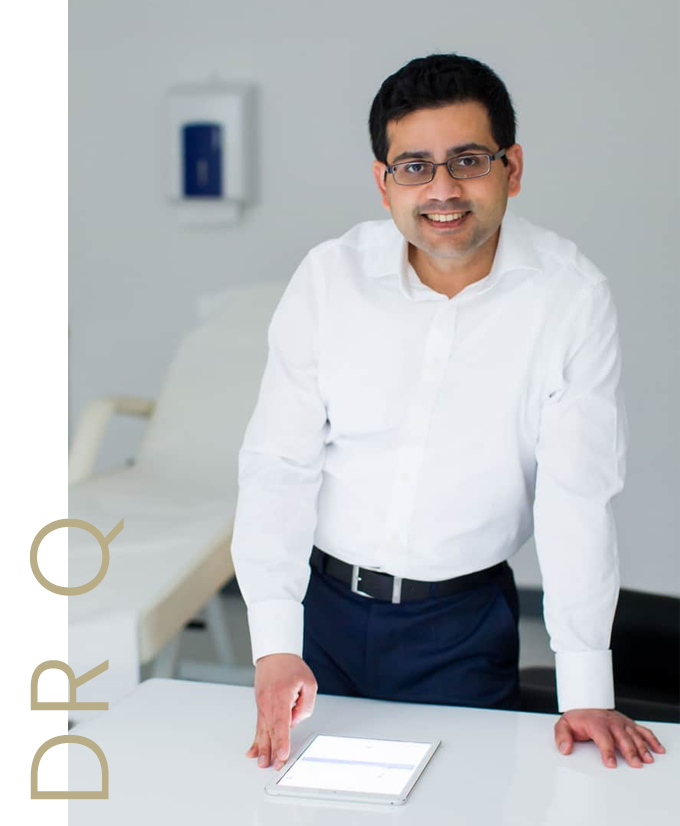
Dr Usman Qureshi (Dr Q) is a leading expert in aesthetic medicine with a 22 year career and a background spanning general practice, including A&E, and 12 years specialising in cosmetic procedures. A University of Glasgow graduate of 2002, he is the innovator behind the signature Q Lift, has performed over 20,000 procedures, and is an international speaker and trainer whose work has featured in Glamour and Harpers Bazaar.