Laser resurfacing is one of the most versatile treatments in aesthetics, and one of the hardest to choose well. Several different lasers do quite different jobs, and the right one depends far more on your skin than on the name of the machine.
The climate in Glasgow, characterised by limited sun exposure, higher humidity, and frequent rain, creates unique skin challenges that differ from those in sunnier, drier regions. These environmental factors, combined with individual skin characteristics, make personalised treatment selection particularly important for optimal results.
This article sets out how each laser works, how skin type changes what is safe, and which treatment suits which concern, so you can walk into a consultation at DR Q Luxe Skin in Glasgow knowing what to ask.
Understanding Laser Skin Resurfacing: The Science Behind the Results
Start with what the treatment actually does, and where the technologies part company.
How Laser Resurfacing Works
Laser skin resurfacing utilises focused light energy to create controlled damage to the skin, stimulating the body’s natural healing process and promoting the production of new, healthier skin cells and collagen. This process can address multiple skin concerns simultaneously:
1.Removal of damaged skin cells, Eliminating old, damaged surface cells
2.Collagen stimulation, Triggering new collagen production in the dermis
3.Skin tightening, Creating controlled thermal effects that tighten skin fibres
4.Pigment reduction, Targeting and breaking down excess melanin
5.Vascular improvement, Addressing visible blood vessels and redness
The Spectrum of Laser Technologies
Laser resurfacing treatments exist on a spectrum from ablative to non-ablative, and from fractional to full-field:
Ablative vs. Non-Ablative
| Feature | Ablative Lasers | Non-Ablative Lasers |
| Mechanism | Remove outer skin layers | Heat deeper skin without removing surface |
| Downtime | Significant (7-14 days) | Minimal (1-3 days) |
| Results | More dramatic, immediate | Gradual, progressive |
| Sessions Required | Typically 1-2 | Series of 3-6 |
| Examples | CO2, Erbium:YAG | Nd:YAG, Clear + Brilliant |
Fractional vs. Full-Field
| Feature | Fractional Lasers | Full-Field Lasers |
| Treatment Pattern | Treats microscopic columns of skin, leaving surrounding tissue intact | Treats entire skin surface |
| Recovery | Faster healing | Longer healing time |
| Risk Profile | Lower risk of complications | Higher risk of complications |
| Examples | Fraxel, Morpheus8 | Traditional CO2 |
Key Laser Technologies Available in Glasgow
At DR Q Luxe Skin, we offer several advanced laser technologies, each with specific benefits:
1.CO2 Fractional Laser, Gold standard for significant resurfacing
2.Erbium:YAG Laser, Precise ablative treatment with less thermal damage
3.Nd:YAG Laser, Non-ablative treatment ideal for deeper concerns
4.Clear + Brilliant, Gentle non-ablative fractional treatment
5.Morpheus8, RF microneedling with fractional treatment capabilities
Understanding Your Skin Type: The Foundation for Treatment Selection
Your skin type decides which laser is appropriate. Different skin types respond differently to various laser technologies, and choosing the wrong treatment can lead to suboptimal results or even complications.
The Fitzpatrick Scale: Beyond Basic Skin Types
The Fitzpatrick scale is a dermatological classification system that categorises skin based on its response to UV radiation:
| Fitzpatrick Type | Description | Typical Features | Sun Response |
| Type I | Very fair | Pale white skin, blue/green eyes, blonde/red hair | Always burns, never tans |
| Type II | Fair | Fair skin, blue eyes | Burns easily, tans minimally |
| Type III | Medium | Darker white skin | Burns moderately, tans gradually |
| Type IV | Olive | Moderate brown skin | Burns minimally, tans well |
| Type V | Brown | Dark brown skin | Rarely burns, tans darkly |
| Type VI | Deep brown to black | Deeply pigmented dark brown to black skin | Never burns, always tans darkly |
Beyond Fitzpatrick: Other Skin Characteristics
While the Fitzpatrick scale is important, other factors also influence laser treatment selection:
1.Skin Thickness, Thicker skin may require more aggressive treatment
2.Oil Production, Affects healing and potential complications
3.Sensitivity Level, Determines tolerance for treatment intensity
4.Vascular Components, Presence of redness, visible vessels
5.Pigmentation Patterns, Melasma, post-inflammatory hyperpigmentation history
Common Skin Concerns in Glasgow
The unique climate and lifestyle factors in Glasgow contribute to specific skin concerns:
•Weather-Related Dryness, Fluctuating between heated indoor environments and cold, damp outdoor conditions
•Low Vitamin D, Due to limited sun exposure, affecting skin health
•Redness and Sensitivity, Common in Celtic skin types prevalent in Scotland
•Premature Ageing, Despite less sun exposure, other factors like pollution contribute
•Acne and Congestion, Humidity and frequent mask-wearing can exacerbate these issues
Matching Laser Treatments to Skin Types: A Personalised Approach
Different skin types require different laser approaches to achieve optimal results while minimising risks.
For Fitzpatrick Types I-II (Very Fair to Fair Skin)
Fair skin types typically have:
•Higher risk of post-treatment redness
•Excellent response to most laser wavelengths
•Lower risk of hyperpigmentation
•Often thinner skin requiring gentler approaches
Recommended Treatments:
•Erbium:YAG Laser, Provides significant resurfacing with less heat damage
•Fractional CO2, Effective for deeper concerns with appropriate settings
•Clear + Brilliant, Excellent for maintenance and prevention
•Morpheus8, Good option for skin tightening with minimal pigmentation risk
Treatment Considerations:
•May require lower energy settings to prevent excessive redness
•Excellent candidates for ablative treatments when appropriate
•Often see dramatic results with fewer sessions
•Require rigorous sun protection post-treatment
Fitzpatrick type II in practice: very fair, easily reddened skin tolerates ablative and fractional resurfacing comparatively well, and Erbium:YAG at calibrated settings is a common choice. Expect a period of noticeable redness and mild peeling while the skin recovers, and treat the sun protection instructions afterwards as part of the treatment rather than an optional extra.
For Fitzpatrick Types III-IV (Medium to Olive Skin)
Medium to olive skin types typically have:
•Moderate risk of post-inflammatory hyperpigmentation
•Good response to many laser wavelengths with proper settings
•More resilience to treatment than fairer skin
•Often thicker skin that may require more intensive treatment
Recommended Treatments:
•Nd:YAG Laser, Safer wavelength with lower melanin absorption
•Fractional CO2 at modified settings, For more significant concerns
•Clear + Brilliant, Excellent safety profile for maintenance
•Morpheus8, RF component makes it suitable for these skin types
Treatment Considerations:
•May require pre-treatment with tyrosinase inhibitors to prevent hyperpigmentation
•Often benefit from lower energy, multiple-session approaches
•Need careful parameter selection to balance results and safety
•Require diligent sun protection before and after treatment
Fitzpatrick type IV in practice: the risk to manage is post inflammatory hyperpigmentation rather than the resurfacing itself. Nd:YAG and gentler fractional devices are usually preferred, often preceded by several weeks of a pigment suppressing regimen, and the course is deliberately built up in smaller steps rather than delivered in one aggressive session.
For Fitzpatrick Types V-VI (Brown to Deep Brown/Black Skin)
Darker skin types typically have:
•Higher risk of post-inflammatory hyperpigmentation or hypopigmentation
•More limited laser options due to higher melanin content
•Often thicker skin requiring specific approaches
•Greater sensitivity to certain wavelengths
Recommended Treatments:
•Nd:YAG Laser at conservative settings, Gold standard for darker skin
•Clear + Brilliant, Very safe option with minimal risk
•Morpheus8, RF energy makes this suitable when properly administered
•Gentle fractional non-ablative lasers, With extremely careful parameter selection
Treatment Considerations:
•Require comprehensive pre-treatment regimens (often 6-8 weeks)
•Benefit from test spots before full treatment
•Often need more sessions at lower energy levels
•Absolutely require expert providers with specific experience in treating darker skin tones
Fitzpatrick type V in practice: a detailed consultation and a patch test come first, because a poorly chosen device or setting on darker skin can cause pigmentation that takes months to settle. Radiofrequency microneedling such as Morpheus8, combined with a preparatory skincare regimen, is often the safer route to textural improvement, and progress is intentionally gradual.
Common Skin Concerns and Recommended Laser Treatments
Beyond skin type, specific concerns also guide treatment selection. Here’s how different laser technologies address common concerns among Glasgow patients.
Fine Lines and Wrinkles
Best Laser Options:
1.Fractional CO2, Gold standard for moderate to deep wrinkles
2.Erbium:YAG, Excellent for fine lines with less downtime than CO2
3.Morpheus8, Combines microneedling with RF energy for collagen stimulation
4.Non-ablative fractional lasers, For maintenance and prevention
Treatment Approach:
•Deeper wrinkles typically require ablative approaches
•Fine lines may respond well to non-ablative treatments
•Often combined with other modalities like Botox or fillers
•May require maintenance treatments, especially for dynamic wrinkles
Sun Damage and Pigmentation
Best Laser Options:
1.IPL (Intense Pulsed Light), Though technically not a laser, excellent for superficial pigmentation
2.Fractional CO2, For more significant sun damage
3.Clear + Brilliant, Gentle approach for maintenance and prevention
4.Nd:YAG (1064nm), Safer for treating pigmentation in darker skin tones
Treatment Approach:
•Often requires combination approaches for comprehensive improvement
•May need multiple sessions, especially for deeper or more stubborn pigmentation
•Requires strict sun protection to maintain results
•Sometimes combined with topical treatments for enhanced results
Acne Scarring
Acne scarring is not one condition, and the scar type decides how well laser will work. Our guide to acne scar treatment in Glasgow explains the difference between marks and true scars, and what each type realistically responds to.
Best Laser Options:
1.Fractional CO2, For moderate to severe textural scarring
2.Erbium:YAG, For more superficial scarring
3.Morpheus8, Excellent for rolling and boxcar scars
4.Nd:YAG, Can help with associated redness and shallow scarring
Treatment Approach:
•Often requires multiple modalities for optimal results
•Deep, ice-pick scars may need combination with surgical approaches
•Typically requires series of treatments spaced 4-6 weeks apart
•Results continue to improve for 3-6 months after treatment
Skin Laxity and Tightening
Best Laser Options:
1.Morpheus8, RF component provides excellent tightening effects
2.Fractional CO2, Stimulates collagen for improved firmness
3.Non-ablative RF devices, For mild to moderate laxity with no downtime
4.Combination approaches, Often most effective for significant laxity
Treatment Approach:
•Be realistic: severe laxity may need surgery rather than a laser
•Multiple sessions typically provide cumulative improvement
•Results develop gradually over 3-6 months as collagen remodelling occurs
•Often combined with other modalities like ultrasound or thread lifts
Rosacea and Vascular Concerns
Best Laser Options:
1.Nd:YAG (1064nm), For deeper vessels and overall redness
2.Pulsed Dye Laser, Gold standard for vascular lesions
3.IPL, Effective for overall redness and flushing
4.Gentle fractional treatments, For associated texture concerns
Treatment Approach:
•Requires careful parameter selection to avoid exacerbating rosacea
•Often needs maintenance treatments due to progressive nature of rosacea
•Combines well with appropriate skincare and trigger avoidance
•May require pre-treatment with anti-inflammatory agents
The Treatment Journey: What to Expect with Laser Resurfacing
Understanding the complete treatment journey helps set appropriate expectations and ensures optimal results.
Pre-Treatment Preparation
Preparation is what makes laser treatment safe and effective:
4-6 Weeks Before Treatment:
•Begin tyrosinase inhibitors if recommended (especially for skin types III-VI)
•Discontinue retinoids and other potentially sensitising products
•Start gentle, hydrating skincare regimen
•Ensure diligent sun protection
1-2 Weeks Before Treatment:
•Avoid sun exposure completely
•Discontinue exfoliating products
•Avoid blood thinners if medically appropriate
•Begin antiviral prophylaxis if recommended (particularly for ablative treatments)
Day of Treatment:
•Arrive with clean skin, free of makeup or products
•Inform provider of any recent changes in health or medications
•Discuss any concerns or questions before proceeding
•Take pre-treatment photos for comparison
The Treatment Experience
What to expect during your laser treatment session:
1.Preparation, Cleansing and application of topical anaesthetic (30-60 minutes)
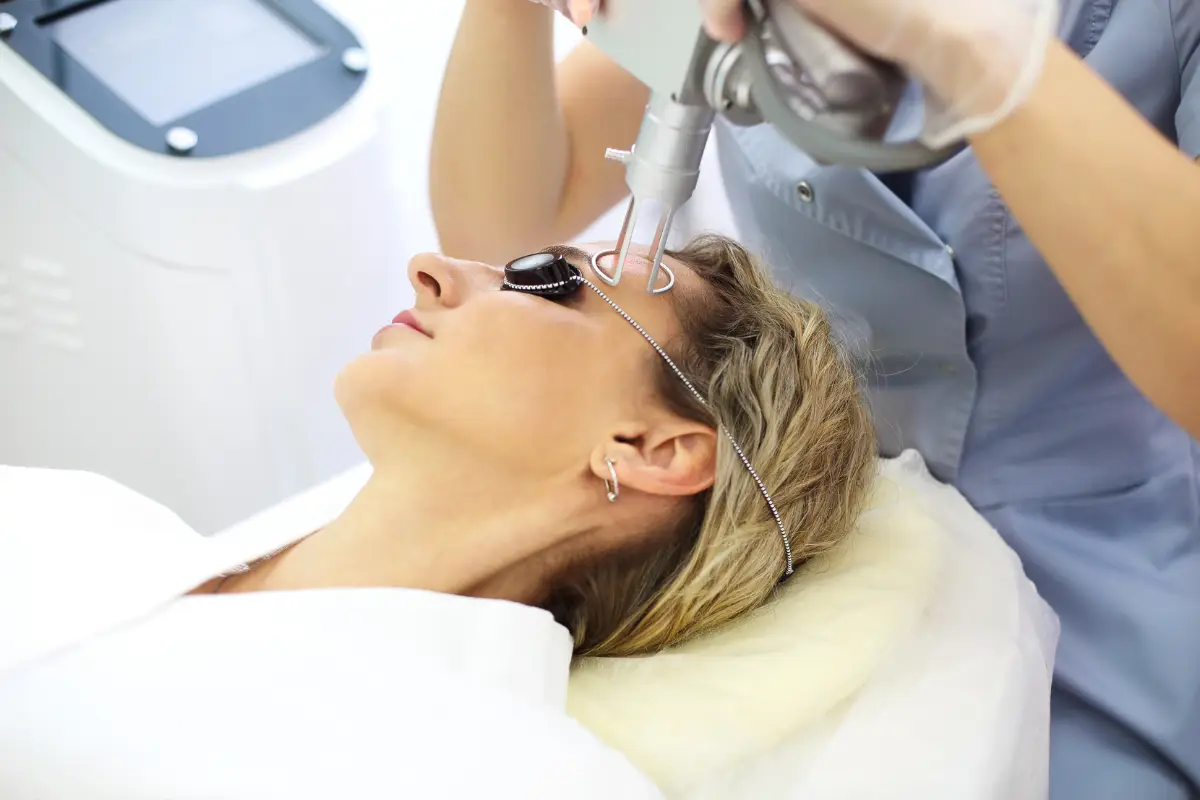
2.Eye Protection, Special shields or glasses to protect eyes from laser energy
3.Treatment Delivery, Systematic application of laser energy to treatment areas
4.Sensations, Varying from mild warmth to moderate discomfort depending on treatment type
5.Duration, Typically 15-60 minutes depending on areas treated and technology used
6.Immediate Post-Care, Application of soothing, healing products before leaving
Recovery Timeline by Treatment Type
Recovery varies significantly based on the type of laser treatment:
Ablative Fractional CO2
Days 1-2: Significant redness, swelling, pinpoint bleeding possible Days 3-5: Formation of “micro-crusts,” continued redness Days 5-7: Sloughing of crusts, revealing pink new skin Weeks 1-4: Gradual fading of pinkness Weeks 4-12: Continued collagen remodelling and improvement
Erbium:YAG
Days 1-2: Moderate redness and swelling Days 2-4: Fine flaking and peeling Days 5-7: Resolution of most visible peeling Weeks 1-2: Fading of residual pinkness Weeks 2-8: Continued improvement in skin texture and tone
Non-Ablative Fractional (Clear + Brilliant)
Hours 1-24: Mild redness, sensation similar to sunburn Days 1-3: Subtle sandpaper-like texture Days 3-5: Return to normal skin appearance Weeks 1-4: Gradual improvement in skin quality Minimal social downtime required
Morpheus8
Hours 1-24: Redness, mild swelling, possible pinpoint bleeding Days 1-2: Formation of micro-crusts at needle entry points Days 3-5: Resolution of most visible effects Weeks 1-12: Progressive improvement as collagen remodelling occurs Typically 1-2 days of social downtime
Post-Treatment Care: Maximising Results and Minimising Complications
Proper aftercare is essential for optimal results and complication prevention:
Immediate Aftercare (Days 1-7):
•Gentle cleansing with recommended products
•Frequent application of prescribed healing ointments
•Strict sun avoidance
•No picking or scrubbing of treated skin
•Elevation and cold compresses if swelling occurs
Early Recovery (Weeks 1-4):
•Gradual reintroduction of gentle skincare
•Continued diligent sun protection
•Avoidance of heat-inducing activities
•Patience with the healing process
•Follow-up appointments as scheduled
Long-Term Care (Months 1-6):
•Maintenance of results with appropriate skincare
•Consideration of complementary treatments if recommended
•Continued sun protection to maintain results
•Healthy lifestyle choices to support skin health
Combining Laser Treatments with Other Modalities: Comprehensive Approaches
For many patients, combining laser treatments with other modalities provides superior results.
Laser + Injectable Treatments
Strategic combinations for enhanced outcomes:
•Laser + Botox: Addressing both textural concerns and dynamic wrinkles
•Laser + Fillers: Combining skin quality improvement with volume restoration
•Timing Considerations: Typically Botox/fillers first, laser 2 weeks later, or laser first with injectables after full healing
Laser + Topical Therapies
Enhancing and maintaining results:
•Pre-treatment Preparation: Skincare regimens to optimise skin before laser
•Post-treatment Healing: Specialised products to enhance recovery
•Long-term Maintenance: Customised regimens to extend and enhance results
Laser + Energy-Based Treatments
Synergistic approaches for comprehensive improvement:
•Laser + Radiofrequency: Addressing both surface concerns and deeper tissue laxity
•Laser + Ultrasound Therapy: Combining different depths of treatment
•Sequential Treatment Plans: Strategic timing of different modalities for optimal results
Frequently Asked Questions About Laser Skin Resurfacing
How do I know which laser treatment is right for my skin?
Determining the optimal laser treatment requires consideration of multiple factors including your Fitzpatrick skin type, specific concerns, desired downtime, and treatment goals. At DR Q Luxe Skin, we conduct a comprehensive consultation that includes detailed skin analysis, medical history review, and discussion of your aesthetic goals. We may also perform test spots with different technologies to assess your skin’s response before recommending a full treatment. This personalised approach ensures that you receive the most appropriate treatment for your unique skin characteristics and concerns, maximising results while minimising risks.
How many laser treatments will I need to see results?
The number of treatments required varies significantly based on the type of laser used and your specific concerns. Ablative treatments like CO2 fractional laser may produce significant results in just 1-2 sessions, while non-ablative treatments like Clear + Brilliant typically require 4-6 sessions for optimal results. Factors that influence treatment quantity include the severity of your concerns, your skin’s response to treatment, and your personal goals. During your consultation at DR Q Luxe Skin, we’ll provide a customised treatment plan with a recommended number of sessions and expected timeline for results based on your individual situation.
Is laser skin resurfacing painful?
Comfort levels during laser treatments vary depending on the specific technology used and individual pain tolerance. Most treatments at DR Q Luxe Skin incorporate measures to ensure your comfort, including topical anaesthetic creams applied 30-60 minutes before treatment. Ablative treatments may cause moderate discomfort described as a sensation of heat or rubber band snaps, while non-ablative treatments are typically well-tolerated with minimal discomfort. For more intensive treatments, we may offer additional pain management options. Most patients find the treatments very manageable, and the discomfort subsides immediately upon completion of the procedure.
What are the potential risks or side effects of laser treatments?
While laser treatments are generally safe when performed by qualified practitioners, they do carry potential risks and side effects. Common temporary side effects include redness, swelling, mild bruising, and skin sensitivity, all of which typically resolve during the normal healing process. More significant but less common risks include infection, scarring, hyperpigmentation (darkening of the skin), or hypopigmentation (lightening of the skin). The risk of complications increases with darker skin tones, which is why skin typing and treatment selection matter so much. At DR Q Luxe Skin, we minimise these risks through comprehensive pre-treatment assessment, appropriate technology selection, and personalised pre and post-care protocols.
How long do results from laser skin resurfacing last?
The longevity of results from laser skin resurfacing depends on several factors including the type of treatment, your skin’s condition, lifestyle factors, and maintenance care. Ablative treatments like fractional CO2 typically provide longer-lasting results, often 3-5 years or more for concerns like deep wrinkles or acne scarring. Non-ablative treatments may require more frequent maintenance, typically every 6-12 months. Factors that can shorten results include sun exposure, smoking, poor skincare habits, and the natural ageing process. To maximise the longevity of your results, we recommend diligent sun protection, appropriate skincare, healthy lifestyle choices, and periodic maintenance treatments tailored to your specific needs.
Conclusion: Making Your Decision
Laser skin resurfacing offers remarkable possibilities for skin rejuvenation, but choosing the right treatment requires careful consideration of your skin type, concerns, and goals. At DR Q Luxe Skin in Glasgow, we’re committed to providing personalised treatment recommendations based on a comprehensive understanding of both the technology and your unique skin characteristics.
The best plan is rarely one laser. It is usually a combination, with the preparation before it and the maintenance after it decided at the same time. That is what keeps the result good and the skin safe.
Whether you’re dealing with signs of ageing, sun damage, acne scarring, or simply want to enhance your skin’s overall quality, advanced laser technologies offer effective solutions with varying levels of intensity and downtime. By understanding the options available and working with experienced practitioners, you can achieve remarkable improvements tailored to your specific needs.
We invite you to schedule a consultation with Dr Q to discuss your skin concerns and explore which laser resurfacing options might be most appropriate for your unique situation.
Book your laser consultation with DR Q Luxe Skin, Glasgow’s leading aesthetic clinic.
Luxe Skin, Aesthetic Clinic by Doctor Q
227 Ingram St, Glasgow G1 1DA, United Kingdom
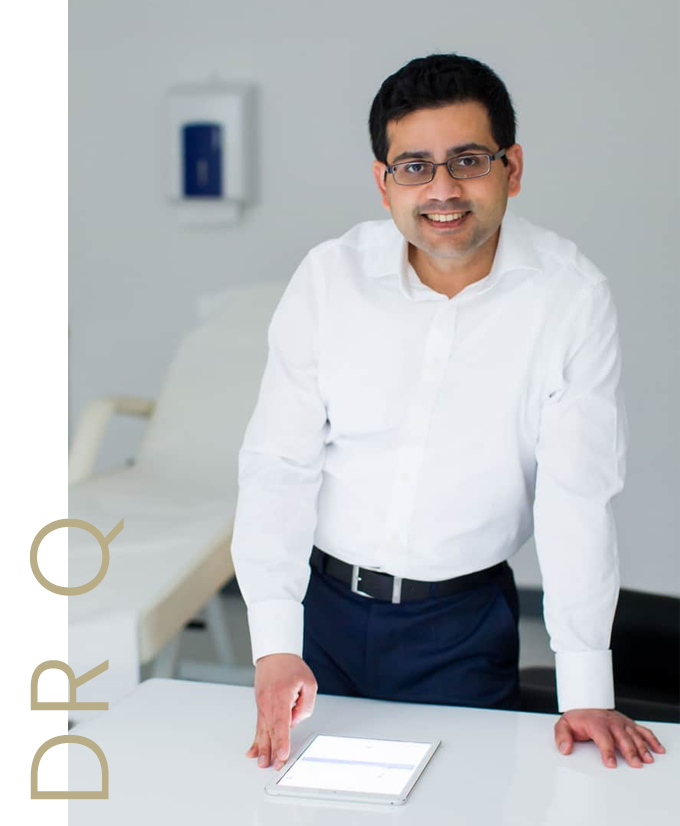
Dr Usman Qureshi (Dr Q) is a leading expert in aesthetic medicine with a 22 year career and a background spanning general practice, including A&E, and 12 years specialising in cosmetic procedures. A University of Glasgow graduate of 2002, he is the innovator behind the signature Q Lift, has performed over 20,000 procedures, and is an international speaker and trainer whose work has featured in Glamour and Harpers Bazaar.