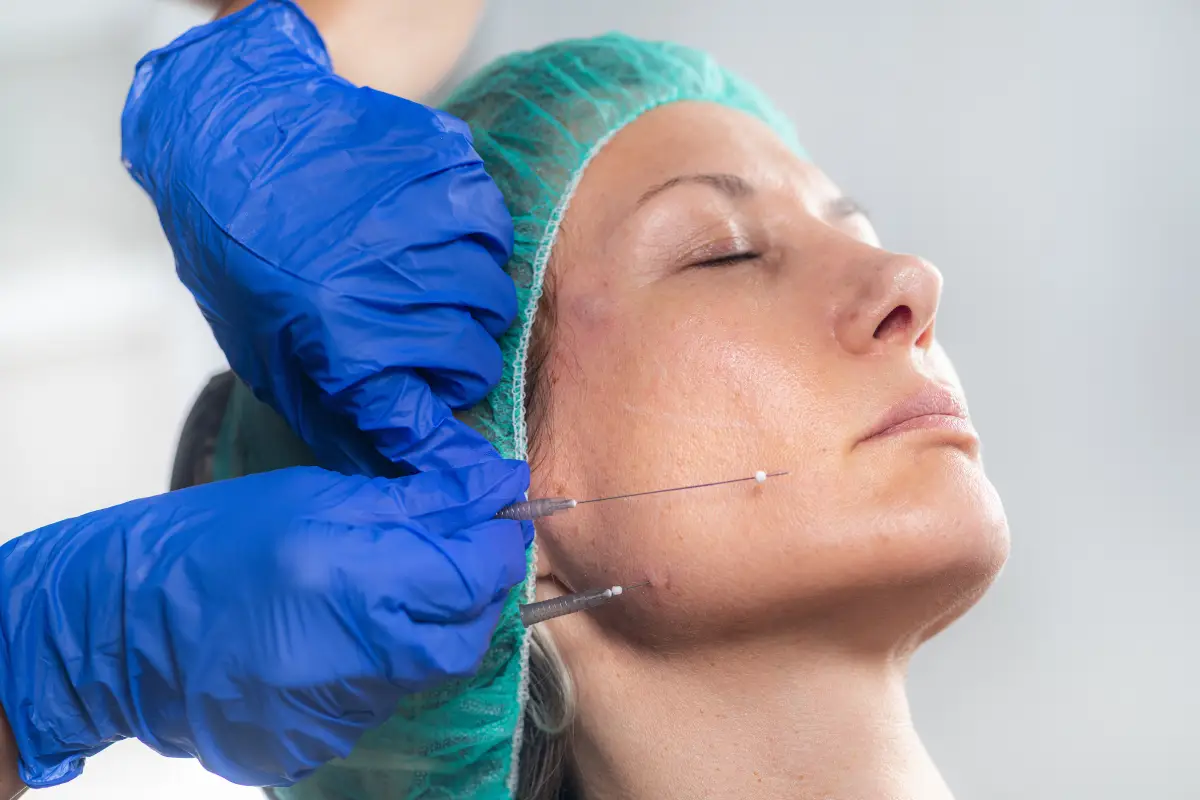
Introduction: The Evolution of Non-Surgical Lifting
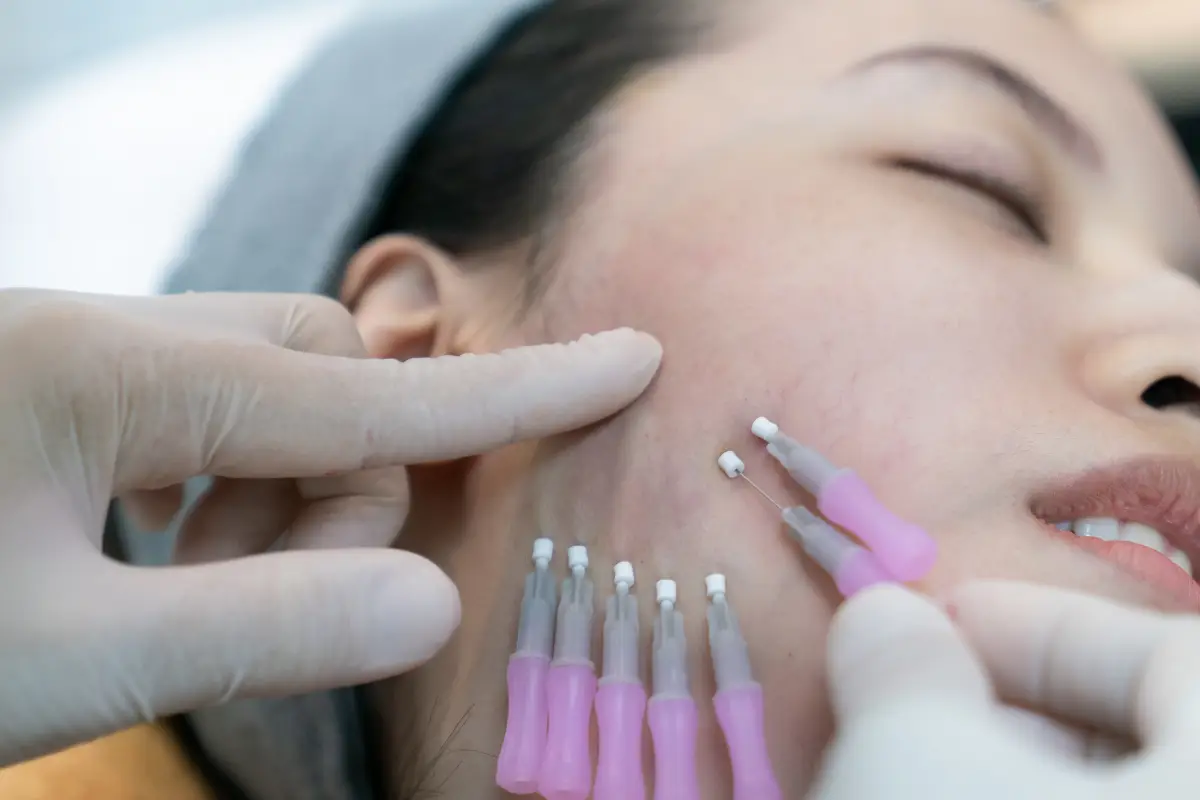
The quest for facial rejuvenation without surgery has driven remarkable innovations in aesthetic medicine. Among these advancements, thread lifting has emerged as one of the most significant developments, offering patients the possibility of a lifted, more youthful appearance without the downtime and risks associated with traditional surgical procedures.
At Luxe Skin by Dr Q in Glasgow, we’ve witnessed the evolution of thread lift technology from its early iterations to today’s sophisticated, highly specialised options. This guide covers what has actually changed in thread materials and insertion technique, what the evidence supports, and how Dr Q’s technical expertise ensures optimal results through personalised thread selection for each patient’s unique facial anatomy.
Whether you’re considering a thread lift at our clinic in Glasgow or simply interested in understanding the latest advancements in non-surgical facial rejuvenation, this article provides an authoritative overview of how modern thread lift innovations are transforming aesthetic medicine.
The Science Behind Thread Lifting: Understanding the Mechanisms
Before exploring specific innovations, it’s essential to understand the fundamental principles that make thread lifting effective.
Dual Mechanisms of Action
Thread lifts work through two distinct but complementary processes:
Immediate Mechanical Lifting:
•Physical elevation of tissues through thread insertion
•Anchoring of descended tissues to more stable structures
•Repositioning of facial fat pads to more youthful positions
•Creation of supportive scaffolding within the tissues
•Immediate visible improvement in contours and definition
•Structural support against gravitational forces
Progressive Biostimulation:
•Controlled micro-injury stimulates healing response
•Fibroblast activation increases collagen production
•Neovascularisation improves local circulation
•Extracellular matrix remodelling enhances tissue quality
•Gradual improvement in skin texture and elasticity
•Long-term structural reinforcement through collagen formation
The Tissue Integration Process
Understanding how threads integrate with facial tissues explains their effectiveness:
Phase 1: Inflammatory Response (Days 1-7)
•Initial insertion creates controlled microtrauma
•Inflammatory mediators are released
•Macrophages and neutrophils infiltrate the area
•Temporary edema and erythema occur
•Early fibroblast migration begins
•Initial anchoring of threads within tissues
Phase 2: Proliferative Phase (Weeks 1-6)
•Fibroblasts proliferate around thread materials
•Collagen type III production increases
•Angiogenesis creates new capillary networks
•Fibrin matrix forms around thread structures
•Early tissue integration establishes
•Gradual improvement in tissue quality begins
Phase 3: Remodelling Phase (Months 2-24)
•Collagen type III converts to stronger type I collagen
•Fibrous encapsulation secures threads in position
•Extracellular matrix reorganises around threads
•Continued collagen deposition strengthens results
•Tissue architecture remodels for long-term support
•Maximum tissue integration achieves optimal results
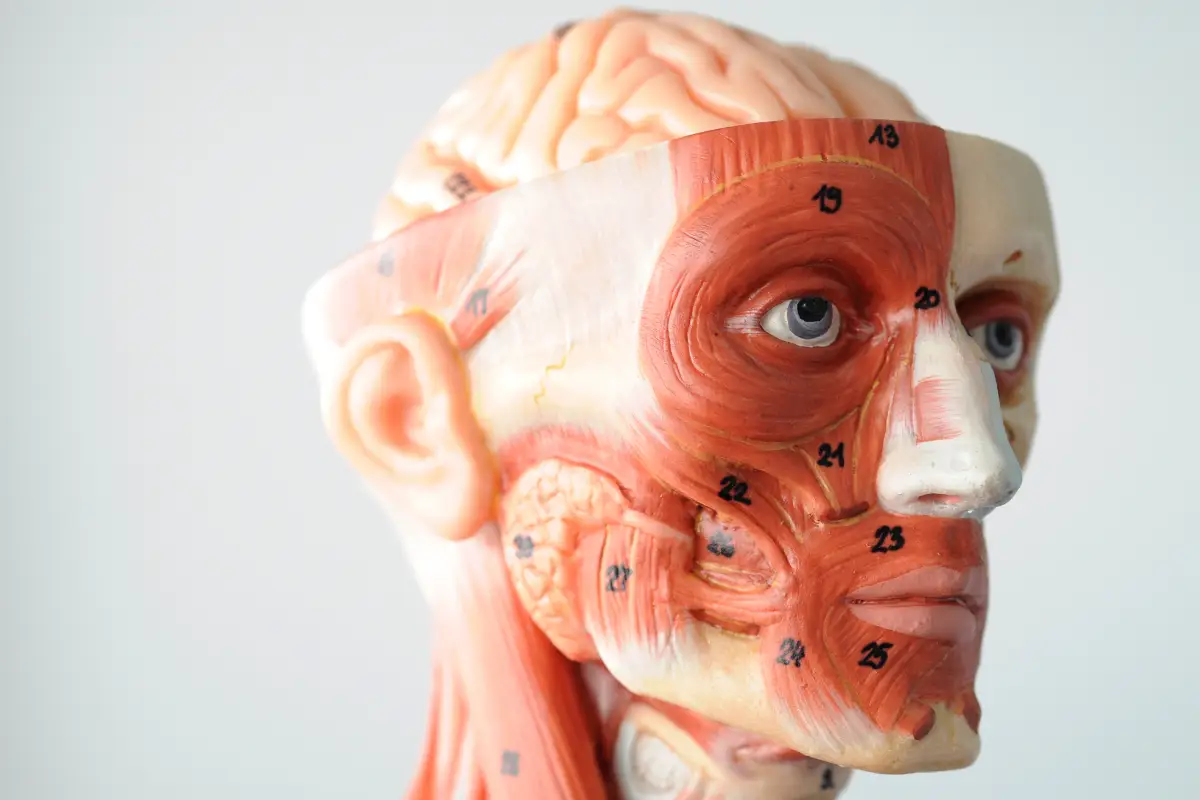
Anatomical Considerations for Thread Placement
Effective thread lifting requires precise understanding of facial anatomy:
Key Structural Support Points:
•Temporal fascia: Superior anchor point for many thread patterns
•Zygomatic arch: Stable structure for midface support
•Masseteric ligaments: Important midface anchor points
•Mandibular ligaments: Critical for lower face and jawline definition
•Retaining ligaments: Natural support structures that guide placement
•Facial fat compartments: Target tissues for repositioning
Critical Safety Considerations:
•Facial nerve branches: Must be avoided during insertion
•Superficial temporal artery: Vascular danger zone in temple region
•Facial artery: Major vessel traversing the lower face
•Angular artery: Critical vessel near nasolabial region
•Infraorbital and mental foramina: Exit points for sensory nerves
•Parotid duct: Important structure in mid-cheek region
Depth Considerations:
•Subcutaneous plane: Common placement for most thread types
•SMAS layer: Target for some specialised thread designs
•Supraperiosteal placement: Used for specific deep support threads
•Depth variations across facial regions
•Tissue thickness differences between patients
•Age-related changes affecting optimal depth
“How a thread integrates with the surrounding tissue is what decides whether the result looks natural a year later. The most advanced thread technologies are designed to work with the body’s natural healing processes, not against them.” Dr Q, Luxe Skin by Dr Q
The Evolution of Thread Materials: From Past to Present
Thread lift technology has undergone significant evolution in materials, design, and application techniques.
Historical Development of Thread Lifting
Understanding the evolution provides context for current innovations:
First Generation (1990s-Early 2000s):
•Non-absorbable polypropylene threads
•Smooth surface with minimal tissue engagement
•Limited longevity of results (6-12 months)
•Higher complication rates including extrusion
•Minimal collagen stimulation effect
•Primarily mechanical lifting with little biostimulation
Second Generation (Mid 2000s-Early 2010s):
•Introduction of barbed designs
•Continued use of non-absorbable materials
•Improved tissue engagement and lifting capacity
•Better longevity (1-2 years)
•Early recognition of biostimulatory effects
•Reduced but still significant complication rates
Third Generation (2010s):
•Shift to absorbable materials (PDO, PLLA, PCL)
•Refined barb designs for tissue engagement
•Improved safety profile with absorbable options
•Enhanced collagen stimulation effects
•More natural-looking results
•Reduced visibility and palpability
Fourth Generation (Current):
•Hybrid and composite thread designs
•Specialised threads for specific facial regions
•Advanced barb configurations and patterns
•Optimised absorption profiles for sustained results
•Enhanced biostimulatory properties
•Combination with bioactive components
Modern Thread Materials Compared
Different absorbable materials offer distinct advantages:
| Material | Composition | Longevity in Tissue | Lifting Strength | Collagen Stimulation | Optimal Applications | Absorption Profile |
| PDO (Polydioxanone) | Synthetic absorbable polymer | 6-9 months | Moderate | Moderate | Fine lines, skin texture, mild laxity | Complete hydrolysis, minimal inflammation |
| PLLA (Poly-L-Lactic Acid) | Biodegradable synthetic polymer | 12-18 months | Strong | High | Moderate to severe laxity, volumisation | Gradual hydrolysis with sustained stimulation |
| PCL (Polycaprolactone) | Synthetic biodegradable polyester | 12-24 months | Very Strong | Prolonged | Significant laxity, structural support | Slowest absorption, extended stimulation |
| Composite/Hybrid | Combination of materials | 12-24+ months | Customisable | Multiphase | Complex cases, multiple concerns | Engineered absorption timeline |
Biocompatibility and Safety Profiles
Modern thread materials are designed for optimal tissue interaction:
Tissue Response Characteristics:
•Minimal foreign body reaction with modern materials
•Controlled inflammatory response for optimal stimulation
•Predictable absorption through hydrolysis
•Metabolisation into carbon dioxide and water
•Absence of long-term foreign material
•Compatibility with future treatments
Safety Advancements:
•Sterile packaging and delivery systems
•Pre-loaded threads for reduced contamination risk
•Improved needle and cannula designs
•Atraumatic tips for vessel and nerve protection
•Enhanced visibility for precise placement
•MRI compatibility for all modern materials
Regulatory Considerations:
•CE marking for European approval
•FDA clearance for specific systems
•Clinical trial evidence supporting safety
•Post-market surveillance data
•Established safety records
•Ongoing monitoring and reporting systems
Advanced Thread Designs: Technical Breakdown of Modern Options
Today’s thread lift innovations feature sophisticated designs tailored to specific applications.
Barb Configurations and Their Applications
The design of thread barbs significantly impacts their function:
Unidirectional Barbs:
•Barbs oriented in single direction
•Strong lifting capacity in one vector
•Ideal for direct vertical lifting
•Simpler insertion technique
•Examples: Classic PDO barbed threads
•Best for: Jowl lifting, direct neck lifting
Bidirectional Barbs:
•Barbs oriented in opposite directions from midpoint
•Anchors at both ends for balanced tension
•Creates lift from central point outward
•Requires precise placement of midpoint
•Examples: Silhouette Soft, Nova Threads bidirectional
•Best for: Midface lifting, cheek repositioning
360° Circumferential Barbs:
•Barbs arranged around entire circumference
•Multidirectional tissue engagement
•Enhanced resistance to rotational forces
•Maximum surface area for collagen stimulation
•Examples: Cog threads, some specialised PDO designs
•Best for: Areas requiring multidirectional support
Helical/Spiral Configurations:
•Barbs arranged in spiral pattern
•Distributes tension across three dimensions
•Resists multiple force vectors
•Enhanced tissue integration
•Examples: Spring threads, coil designs
•Best for: Complex areas with multidirectional forces
Cut vs. Molded Barbs:
•Cut: Created by cutting into thread body
•Molded: Formed during manufacturing process
•Molded typically offers greater strength
•Cut often provides sharper tissue engagement
•Different tissue response profiles
•Selection based on lifting requirements
Specialised Thread Structures
Beyond basic barbed designs, advanced structural innovations include:
Mesh and Matrix Threads:
•Expandable mesh-like structure
•Maximum surface area for collagen stimulation
•Creates supportive matrix within tissues
•Less direct lifting but superior volumisation
•Examples: Mesh PDO, matrix PCL designs
•Best for: Skin quality, fine lines, crepiness
Screw and Tornado Designs:
•Helical structure resembling a screw
•Enhanced tissue engagement along entire length
•Resistance to multiple force vectors
•Superior anchoring in mobile tissues
•Examples: Tornado threads, screw-type PDO
•Best for: Areas with significant movement
Smooth Threads with Cones:
•Smooth thread with attached cones or pyramids
•Cones provide anchoring points
•Reduced tissue trauma during insertion
•Precise control of lifting vectors
•Examples: Silhouette Soft, Instalift
•Best for: Delicate areas requiring precise lifting
Braided and Multifilament Designs:
•Multiple threads braided or twisted together
•Enhanced strength-to-diameter ratio
•Increased surface area for tissue integration
•Superior tensile strength
•Examples: Braided PDO, twisted PCL
•Best for: Significant laxity requiring strong support
Cannula-Delivered Systems:
•Threads deployed through blunt cannulas
•Reduced risk of vascular complications
•Allows for longer thread placement
•Minimises entry points
•Examples: Silhouette Soft, NovaThreads cannula system
•Best for: Extensive treatments, vascular danger zones
Innovative Coating Technologies
Advanced surface treatments enhance thread performance:
Bioactive Coatings:
•Hyaluronic acid-infused surfaces
•Growth factor coatings
•Peptide-enhanced threads
•Anti-inflammatory agent incorporation
•Enhanced tissue response and integration
•Reduced downtime and improved comfort
Surface Texturing:
•Micro-texturing for enhanced tissue grip
•Nano-surface modifications for cellular response
•Optimised tissue-thread interface
•Improved collagen organisation around threads
•Enhanced long-term integration
•Reduced migration risk
Controlled-Release Technologies:
•Gradual release of bioactive components
•Sustained stimulation during absorption phase
•Timed delivery of regenerative factors
•Extended therapeutic window
•Enhanced collagen quality and quantity
•Improved long-term results
Regional-Specific Thread Applications: Tailored Solutions for Different Facial Areas
Modern thread lift approaches recognise that different facial regions require specialised techniques and thread types.
Midface and Cheek Enhancement
Addressing volume loss and descent in the central face:
Anatomical Considerations:
•Malar fat pad positioning and descent patterns
•Zygomatic ligament as anchor point
•Facial artery pathway through midface
•Infraorbital nerve vulnerability
•Parotid duct location
•Nasolabial fold formation mechanics
Optimal Thread Selections:
•Stronger PCL or PLLA threads for significant lifting
•Cog or bidirectional designs for vertical repositioning
•Cannula-delivered systems for safety near infraorbital region
•360° barbed threads for multidirectional support
•Longer threads (7-12cm) for adequate coverage
•Combination of lifting and volumising thread types
Technical Approach:
•Entry points typically at lateral cheek or preauricular region
•Vectors directed upward and laterally
•Multiple threads in fan or mesh pattern
•Deeper placement near zygomatic arch
•More superficial placement in central cheek
•Integration with other modalities for comprehensive results
Jawline Definition and Lower Face Contouring
Creating a more defined mandibular border and addressing jowls:
Anatomical Considerations:
•Mandibular ligament positioning
•Facial artery and vein pathways
•Marginal mandibular nerve location
•Submandibular gland relationship
•Platysma muscle attachments
•Jowl fat composition and structure
Optimal Thread Selections:
•High-tensile strength threads (PCL or PLLA)
•Unidirectional barbs for direct vertical lifting
•Shorter threads (5-7cm) for precise placement
•Strong anchoring designs for counteracting gravity
•Combination of lifting and defining thread types
•Specialised jawline-specific thread designs
Technical Approach:
•Entry points at lateral jawline or preauricular region
•Perpendicular placement to mandibular border
•Strategic placement at jowl-defining points
•Integration with submental approaches when needed
•Careful depth management to avoid nerve injury
•Complementary techniques for comprehensive rejuvenation
Neck and Submental Region
Addressing laxity and banding in the neck area:
Anatomical Considerations:
•Platysma muscle anatomy and bands
•External jugular vein location
•Great auricular nerve pathway
•Submandibular gland position
•Hyoid bone relationship
•Cervical fat distribution patterns
Optimal Thread Selections:
•Longer threads (10-15cm) for adequate coverage
•Strong unidirectional or bidirectional designs
•Specialised neck-specific thread patterns
•Combination of horizontal and vertical placements
•Smooth threads for platysmal bands
•Stronger barbed threads for lateral support
Technical Approach:
•Entry points typically behind ear or at lateral jawline
•Careful depth management to avoid vascular structures
•Mesh or grid pattern for optimal coverage
•Integration with submental approaches
•Combination with skin tightening modalities
•Consideration of platysmal band treatment
Temporal and Upper Face Lifting
Addressing lateral brow descent and temporal hollowing:
Anatomical Considerations:
•Temporal branch of facial nerve location
•Superficial temporal artery and vein
•Temporalis muscle relationship
•Sentinel vein position
•Temporal fusion line anatomy
•Lateral orbital rim structure
Optimal Thread Selections:
•Finer gauge threads for delicate area
•Bidirectional designs for balanced tension
•Specialised brow-lifting thread patterns
•Shorter threads (3-5cm) for precise placement
•Combination of lifting and volumising types
•Cannula-delivered systems for safety
Technical Approach:
•Entry points at temporal hairline or lateral brow
•Careful depth management to avoid nerve injury
•Vectors directed upward and slightly lateral
•Integration with other upper face treatments
•Conservative approach to avoid over-elevation
•Consideration of temporal hollowing when planning
How thread selection works in practice: a jawline that has begun to jowl needs stronger, more anchored threads than the mid face, so combination plans using more than one thread type are common. Ask which thread is going where and why, since that reasoning is the substance of the plan. Recovery is usually a few days of minor discomfort, and results vary between individuals.
Dr Q’s Thread Selection Methodology: Matching Technology to Patient Needs
Understanding how thread selection is personalised for optimal results.
Comprehensive Assessment Framework
Dr Q’s systematic approach to thread selection:
Structural Evaluation:
•Degree and direction of tissue descent
•Fat compartment positioning and volume
•Ligamentous support integrity
•Bone structure and projection
•Skin thickness and elasticity
•Muscle activity patterns
Vector Analysis:
•Primary direction of desired lift
•Secondary supportive vectors
•Opposing force considerations
•Natural movement patterns
•Expression dynamics
•Gravitational impact assessment
Patient-Specific Factors:
•Age and tissue quality
•Previous procedures and treatments
•Healing capacity and collagen status
•Lifestyle and activity level
•Recovery time constraints
•Long-term aesthetic goals
Risk-Benefit Calculation:
•Anatomical risk zones in treatment area
•Potential for adverse effects
•Expected longevity of results
•Alternative treatment options
•Combined treatment synergies
•Cost-benefit considerations
Decision Matrix for Thread Selection
How specific patient characteristics guide thread choices:
| Patient Characteristic | Thread Material Recommendation | Design Recommendation | Technical Approach |
| Mild laxity, good skin quality | PDO or fine PCL | Finer gauge, moderate barb design | Less aggressive, focus on biostimulation |
| Moderate laxity, average skin | PCL or PLLA | Medium gauge, bidirectional barbs | Balanced approach, moderate tension |
| Severe laxity, poor elasticity | Strong PCL or composite | Thicker gauge, strong barb design | Maximum support, multiple vectors |
| Thin skin, visible vessels | Finer PDO or PCL | Cannula delivery, less aggressive barbs | Superficial placement, more threads |
| Thick, sebaceous skin | Stronger PLLA or PCL | Pronounced barbs, deeper placement | Fewer but stronger threads |
| Previous surgery patients | Varies based on scarring | Cannula delivery, avoid scar tissue | Modified vectors, combination approach |
| Younger patients (35-45) | PDO or fine PCL | Preventative placement, biostimulation focus | Natural vectors, minimal tension |
| Older patients (65+) | PCL or composite | Structural support designs | Comprehensive approach, multiple areas |
Combination Protocols for Enhanced Results
How thread selection integrates with comprehensive treatment plans:
Thread + Filler Synergy:
•Structural support from threads
•Volume restoration from fillers
•Threads placed first for structural framework
•Fillers added to address volume deficits
•Complementary treatment of different ageing factors
•Enhanced longevity of combined results
Thread + Neurotoxin Integration:
•Reduced dynamic forces on threads
•Decreased thread migration risk
•Treatment of hyperkinetic muscles first
•Thread placement 1-2 weeks after neurotoxin
•Complementary action on different ageing factors
•Enhanced longevity of thread results
Thread + Energy-Based Devices:
•Skin quality improvement from energy treatments
•Structural support from threads
•Typically energy treatments performed first
•Thread placement 2-4 weeks after energy treatment
•Enhanced collagen production from dual stimulation
•Comprehensive approach to multiple ageing factors
Thread + Biostimulators:
•Deep volume restoration from biostimulators
•Superficial lifting from threads
•Typically biostimulators placed first
•Thread placement 3-4 weeks after biostimulator
•Complementary collagen stimulation patterns
•Long-term structural improvement
What Has Actually Changed in Thread Lift Technology
Exploring the newest advancements in thread lift technology.
Dissolving Threads with Extended Longevity
New materials offering longer-lasting results:
Advanced Polymer Blends:
•Composite materials combining PDO, PCL, and PLLA
•Engineered degradation profiles for sustained support
•Multi-phase absorption for extended biostimulation
•Enhanced tensile strength without increased diameter
•Optimised tissue integration characteristics
•Results lasting 18-24+ months
Controlled Degradation Technology:
•Engineered breakdown sequences
•Predictable strength retention curves
•Maintained structural support during absorption
•Gradual transfer of support to new collagen
•Reduced inflammatory phase during breakdown
•More consistent long-term results
Cross-Linked Modifications:
•Similar to cross-linked HA fillers
•Enhanced resistance to enzymatic breakdown
•Extended longevity in tissues
•Maintained flexibility and natural movement
•Reduced migration potential
•Superior structural integrity
Bioactive and Stimulatory Enhancements
Threads that do more than just lift:
Growth Factor-Infused Threads:
•Coating or incorporation of growth factors
•Enhanced fibroblast stimulation
•Improved collagen quality and organisation
•Accelerated tissue integration
•Superior neovascularisation
•Enhanced overall skin quality
Peptide-Enhanced Designs:
•Signal peptides for targeted cellular effects
•Carrier peptides for enhanced delivery
•Enzyme inhibitor peptides for collagen protection
•Neurotransmitter-affecting peptides for comfort
•Sustained release formulations
•Multifunctional tissue effects
Hyaluronic Acid Hybrid Threads:
•HA coating or incorporation
•Immediate hydration benefits
•Enhanced comfort during placement
•Improved tissue gliding during insertion
•Synergistic collagen stimulation
•Comprehensive rejuvenation effect
Advanced Delivery Systems and Techniques
Innovations in how threads are placed:
Guided Insertion Technology:
•Predetermined depth control mechanisms
•Standardised insertion angles
•Reduced technical variability
•Enhanced safety profiles
•Improved placement precision
•Optimised for specific facial regions
Minimally Invasive Deployment Systems:
•Reduced entry point size
•Specialised introducer tools
•Atraumatic passage through tissues
•Decreased bruising and swelling
•Faster recovery times
•Improved patient comfort
3D Mapping and Planning Software:
•Digital facial analysis
•Computerised vector planning
•Simulation of expected outcomes
•Precise thread placement guidance
•Optimised pattern design
•Enhanced treatment customisation
Specialised Applications and Niche Innovations
Threads designed for specific concerns:
Micro-Threads for Fine Lines:
•Ultra-fine diameter threads
•Superficial placement technique
•Targeted for perioral and periorbital lines
•Minimal to no downtime
•High density placement patterns
•Primary focus on collagen stimulation
Body Contouring Threads:
•Reinforced designs for larger areas
•Enhanced strength for body tissues
•Longer lengths for adequate coverage
•Specialised patterns for different body regions
•Combined lifting and skin quality improvement
•Adapted insertion techniques for body application
Combination Thread Systems:
•Kits containing multiple thread types
•Comprehensive approach to facial ageing
•Synergistic designs for different facial areas
•Standardised protocols for predictable results
•Optimised for specific ageing patterns
•Enhanced training and support systems
The Treatment Experience: What to Expect with Modern Thread Lifts
Understanding the patient journey with contemporary thread lift procedures.
Pre-Treatment Preparation
Optimising conditions for successful treatment:
Medical Assessment:
•Comprehensive facial analysis
•Medical history review
•Medication evaluation (particularly blood thinners)
•Previous treatment history
•Allergy and sensitivity screening
•Expectation management
Pre-Treatment Recommendations:
•Avoidance of blood thinning medications/supplements (7-10 days prior)
•Arnica or bromelain supplementation (3-5 days prior)
•Gentle skin preparation regimen
•Hydration optimisation
•Anti-viral prophylaxis if history of cold sores
•Pre-treatment photos for baseline comparison
Planning and Consent:
•Detailed treatment mapping
•Vector planning and marking
•Thread type and quantity determination
•Discussion of expected outcomes
•Comprehensive informed consent
•Recovery timeline explanation
The Advanced Treatment Process
Modern thread lift procedures emphasise precision and comfort:
Comfort Management:
•Topical anaesthetic application (30-60 minutes prior)
•Local anaesthetic infiltration at entry points
•Vibrational distraction devices
•Temperature-based comfort enhancement
•Stress reduction techniques
•Continuous communication during procedure
Technical Procedure:
•Antiseptic preparation of treatment area
•Precise marking of entry points and vectors
•Creation of entry points (typically 1-2mm)
•Systematic thread insertion following predetermined plan
•Careful tissue manipulation and repositioning
•Gentle thread securing and trimming
Immediate Post-Procedure Care:
•Gentle cleansing of treatment area
•Application of antibiotic ointment to entry points
•Cold therapy for comfort and swelling reduction
•Immediate post-treatment photographs
•Detailed aftercare instructions
•Same-day follow-up contact
Recovery and Results Timeline
What to expect in the days and months following treatment:
Immediate Phase (Days 1-3):
•Mild to moderate swelling and bruising
•Temporary irregularities or asymmetry
•Sensation of tightness or pulling
•Visible immediate lifting effect
•Minor discomfort managed with paracetamol
•Sleep position modifications (elevated, back-sleeping)
Early Recovery (Days 4-14):
•Resolution of most swelling and bruising
•Decreasing sensation of tightness
•Stabilisation of initial results
•Return to most normal activities
•Continued avoidance of extreme facial movements
•Gentle skincare routine resumption
Integration Phase (Weeks 2-8):
•Complete resolution of swelling
•Natural integration of threads
•Beginning of collagen stimulation effects
•Softening of any initial overcorrection
•Increasing natural appearance
•Progressive improvement in skin quality
Maturation Phase (Months 3-6):
•Maximum collagen production effect
•Optimal lifting and contouring results
•Natural tissue integration complete
•Stable, refined outcome
•Enhanced skin texture and quality
•Peak result period
Long-Term Phase (Months 6-24):
•Gradual thread absorption (material-dependent)
•Maintained results through collagen formation
•Potential for subtle, gradual decrease in effect
•Individual variation in longevity
•Consideration of maintenance treatments
•Continued skin quality benefits
Aftercare and Optimisation Strategies
Maximising results and minimising complications:
Immediate Aftercare Protocol:
•Antibiotic ointment application to entry points (3-5 days)
•Cold therapy for swelling management (first 24-48 hours)
•Elevated sleeping position (first week)
•Gentle cleansing with non-foaming cleanser
•Avoidance of makeup on entry points (24-48 hours)
•Limited facial expressions and movements (first week)
Activity Modifications:
•Avoidance of strenuous exercise (7-10 days)
•No facial massages or treatments (4 weeks)
•Limited dental procedures (2-3 weeks)
•Careful face washing technique
•Gentle towel drying of face
•Temporary adjustment of facial expressions
Result-Enhancing Strategies:
•Consistent sun protection
•Collagen-supporting skincare regimen
•Adequate hydration
•Healthy nutrition for optimal healing
•Avoidance of smoking and excessive alcohol
•Complementary skin quality treatments
Long-Term Maintenance:
•Regular follow-up assessments
•Progressive treatment planning
•Complementary procedures as needed
•Proactive maintenance approach
•Skincare regimen adjustments
•Lifestyle optimisation guidance
Frequently Asked Questions About Thread Lift Innovations
How do I know which thread type is right for my specific concerns?
Determining the optimal thread type for your specific concerns requires a personalised assessment that considers multiple factors. Different thread materials (PDO, PCL, PLLA) and designs (barbed, smooth, coned) offer distinct advantages for specific concerns and facial regions. At Luxe Skin by Dr Q in Glasgow, Dr Q conducts a comprehensive facial analysis that evaluates your tissue quality, degree of laxity, fat distribution, bone structure, and specific aesthetic goals. For example, if you have moderate jowling with good skin quality, you might benefit most from stronger PCL threads with bidirectional barbs placed along the jawline. For temple hollowing with mild brow descent, finer PDO threads in a mesh pattern might be more appropriate. If you have significant midface descent, a combination of strong PLLA threads for structural support and finer PDO threads for skin quality might be recommended. The ideal approach often involves customised combinations of different thread types strategically placed to address your unique ageing pattern. During your consultation, Dr Q will explain the specific rationale behind his thread recommendations, ensuring you understand exactly why certain options are best suited to your individual needs rather than applying a one-size-fits-all approach.
How do modern thread lifts compare to traditional surgical facelifts?
Modern thread lifts and traditional surgical facelifts represent different points on the facial rejuvenation spectrum, each with distinct advantages and limitations. Surgical facelifts remain the gold standard for significant facial repositioning, offering more dramatic and longer-lasting results (7-10+ years) through direct visualisation and manipulation of deeper tissues. However, they involve general anaesthesia, longer recovery (2-3 weeks), visible scars, and higher risks. In contrast, modern thread lifts provide a minimally invasive alternative with local anaesthesia, brief recovery (3-7 days), no visible scarring, and significantly lower risks. At Luxe Skin by Dr Q in Glasgow, Dr Q explains that contemporary thread lifts can achieve approximately 30-40% of the lifting effect of surgery, making them ideal for patients with mild to moderate laxity or those seeking preventative treatment. Thread lifts particularly excel at specific applications like jawline definition, midface repositioning, and brow lifting in appropriate candidates. The ideal candidate typically falls between ages 35-65 with good skin elasticity and moderate laxity. Rather than competing treatments, Dr Q often positions thread lifts and surgery as complementary options on a treatment continuum. Threads may postpone the need for surgery in younger patients or enhance and maintain surgical results in post-facelift patients.
How long do the latest thread lift innovations last?
The longevity of modern thread lifts has improved significantly with recent innovations, though results still vary based on several factors. The latest advanced thread materials offer extended longevity compared to earlier generations: PDO threads typically maintain results for 6-12 months, newer PCL threads for 12-18 months, and advanced PLLA or composite threads for 18-24+ months. However, at Luxe Skin by Dr Q in Glasgow, Dr Q emphasises that thread lift longevity depends on multiple patient-specific factors. Younger patients (35-45) with good skin elasticity and minimal laxity often enjoy longer-lasting results due to better collagen production capacity. Lifestyle factors significantly impact longevity: sun protection, non-smoking, stable weight, and good skincare all extend results. The technical aspects of thread placement also matter; deeper placement of threads and optimal vector design contribute to longer-lasting outcomes. It’s important to understand that thread lifts create both an immediate mechanical lift and a progressive biostimulatory effect. While the threads themselves eventually absorb, the collagen scaffolding they stimulate contributes to longer-term improvements. For optimal long-term results, Dr Q typically recommends a maintenance approach with touch-up treatments every 12-18 months rather than waiting for complete resolution of the previous treatment effect.
Are there any specific innovations for reducing discomfort or downtime?
Yes, several significant innovations have specifically targeted reducing discomfort and downtime associated with thread lift procedures. Modern delivery systems have revolutionised patient comfort. Blunt-tipped cannulas have largely replaced sharp needles in many applications, dramatically reducing bruising, swelling, and vascular risks. Pre-loaded thread systems have shortened procedure times and minimised tissue manipulation. At Luxe Skin by Dr Q in Glasgow, Dr Q utilises advanced comfort management protocols including topical anaesthetic compounds with enhanced penetration, precise local anaesthetic techniques, and vibrational distraction devices during insertion. Thread design innovations have also improved the recovery experience: smoother entry points, atraumatic tips, and optimised barb designs cause less tissue trauma during placement and movement. Post-procedure recovery has been enhanced through specialised cooling systems that reduce immediate swelling, LED therapy to accelerate healing, and customised recovery kits with targeted anti-bruising formulations. Protocols have moved on too: pre-treatment with arnica or bromelain, entry points chosen where they will not show, and insertion techniques that cause less tissue trauma. These combined innovations have transformed the patient experience, with most individuals now experiencing only 2-4 days of noticeable swelling compared to 7-10 days with earlier thread technologies, and significantly reduced discomfort throughout the treatment and recovery process.
Can thread lifts be combined with other treatments for enhanced results?
Thread lifts are exceptionally well-suited for combination with other aesthetic treatments, often creating synergistic results that address multiple aspects of facial ageing simultaneously. At Luxe Skin by Dr Q in Glasgow, Dr Q frequently designs comprehensive treatment plans that strategically sequence thread lifts with complementary procedures. Dermal fillers pair particularly well with threads. Fillers restore lost volume while threads reposition descended tissues, addressing both major components of facial ageing. Neurotoxin treatments (like Botox) can enhance thread lift longevity by reducing dynamic forces that might otherwise cause earlier thread displacement. Energy-based treatments such as radiofrequency or ultrasound therapy create excellent synergy by improving skin quality and providing additional collagen stimulation at different tissue depths. Biostimulatory treatments (like Sculptra or Radiesse) work exceptionally well with threads by providing deeper volumetric support while threads address more superficial repositioning. With combination treatments, the order and the spacing decide the result. Dr Q typically recommends neurotoxin treatments 1-2 weeks before threads, fillers either simultaneously or 2 weeks after thread placement, and energy-based treatments 2-4 weeks before or after thread insertion, depending on the specific technology. This strategic approach to combination treatments often yields results that appear more comprehensive and natural than any single modality alone, with studies showing up to 40% enhancement in patient satisfaction when threads are part of a thoughtfully designed combination protocol.
What innovations are specifically designed for male patients?
Thread lift technology has evolved to address the unique anatomical and aesthetic considerations of male patients, with several innovations specifically designed for masculine facial characteristics. At Luxe Skin by Dr Q in Glasgow, Dr Q utilises specialised approaches for male thread lifting that account for thicker skin, stronger ligamentous attachments, heavier tissues, and distinct aesthetic goals. Thread selection for men typically favours stronger materials with enhanced tensile strength: high-strength PCL or composite threads that can support heavier tissues and withstand greater mechanical forces. Barb designs have been modified for male patients, with deeper, stronger barbs that provide more substantial anchoring in thicker tissues. Placement patterns differ significantly for men, focusing on maintaining masculine facial angles rather than creating the softer contours often desired by female patients. For example, jawline threads in men are placed to enhance definition and angularity rather than create a tapered appearance. Entry point placement is strategically adapted to accommodate male hairlines and beard growth patterns. The technical approach also differs, with deeper placement to account for thicker subcutaneous tissues and modified vectors that respect masculine facial proportions. Pain management is often adjusted for male patients, whose thresholds and responses tend to differ. These male-specific innovations have made thread lifting an increasingly popular option for men seeking facial rejuvenation while maintaining appropriate masculine characteristics and avoiding the feminisation that can occur with less specialised approaches.
Conclusion: The Future of Non-Surgical Facial Lifting
Thread lift technology continues to evolve at a remarkable pace, transforming what’s possible in non-surgical facial rejuvenation. The innovations discussed in this article, from advanced materials and sophisticated designs to specialised applications and enhanced delivery systems, represent significant advancements in both the science and art of aesthetic medicine.
What makes modern thread lifting particularly valuable is its position at the intersection of effectiveness and accessibility. These treatments offer meaningful results without the downtime, risk, or cost associated with surgical intervention, making aesthetic enhancement more approachable for many patients.
At Luxe Skin by Dr Q in Glasgow, our approach to thread lifting emphasises technical precision, anatomical understanding, and personalised treatment design. By carefully selecting the optimal thread types and placement patterns for each patient’s unique facial structure and concerns, we can achieve natural-looking results that enhance rather than alter your appearance.
As thread technology continues to advance, we remain committed to offering the most innovative and effective options available. The future of thread lifting promises even more sophisticated materials, enhanced biostimulatory effects, and further refinements in technique, all of which will continue to expand what’s possible in non-surgical facial rejuvenation.
To discover how the latest thread lift innovations might benefit your specific concerns, schedule a consultation with Dr Q at Luxe Skin by Dr Q in Glasgow. During this comprehensive assessment, you’ll receive personalised recommendations based on your unique facial anatomy and aesthetic goals.
Book your thread lift consultation with Luxe Skin by Dr Q, Glasgow’s leading aesthetic clinic.
Related Articles:
- Acne Scar Treatment in Glasgow: Which Scars Respond to What
- Microneedling in Glasgow: How It Works, What It Treats and Who It Suits
- Botox for Excessive Sweating: How Hyperhidrosis Treatment Works
- Is an Aesthetic Membership Worth It? Inside the Q Plan at Luxe Skin Glasgow
- Lip Fillers in Glasgow: Cost, Results and What to Expect
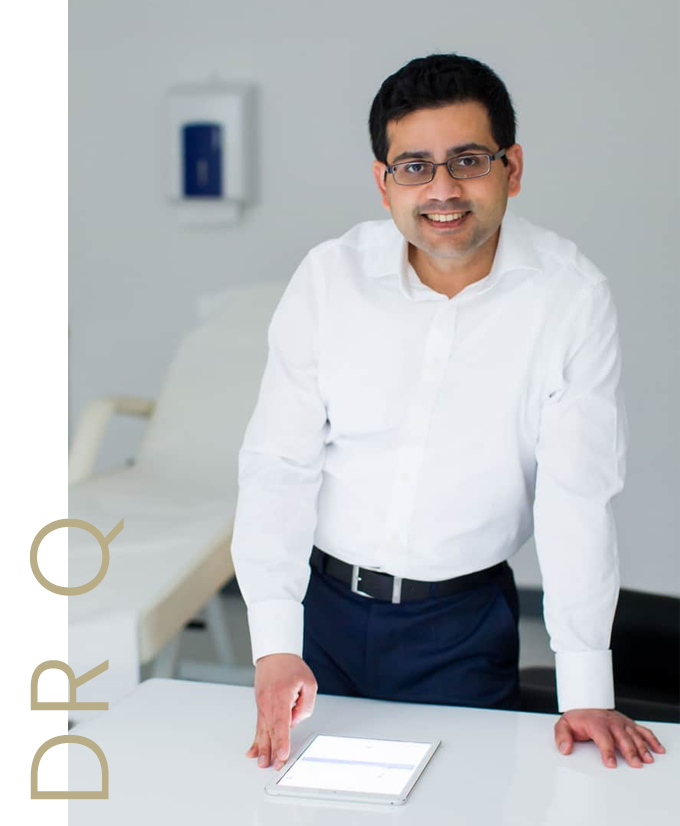
Dr Usman Qureshi (Dr Q) is a leading expert in aesthetic medicine with a 22 year career and a background spanning general practice, including A&E, and 12 years specialising in cosmetic procedures. A University of Glasgow graduate of 2002, he is the innovator behind the signature Q Lift, has performed over 20,000 procedures, and is an international speaker and trainer whose work has featured in Glamour and Harpers Bazaar.