Introduction
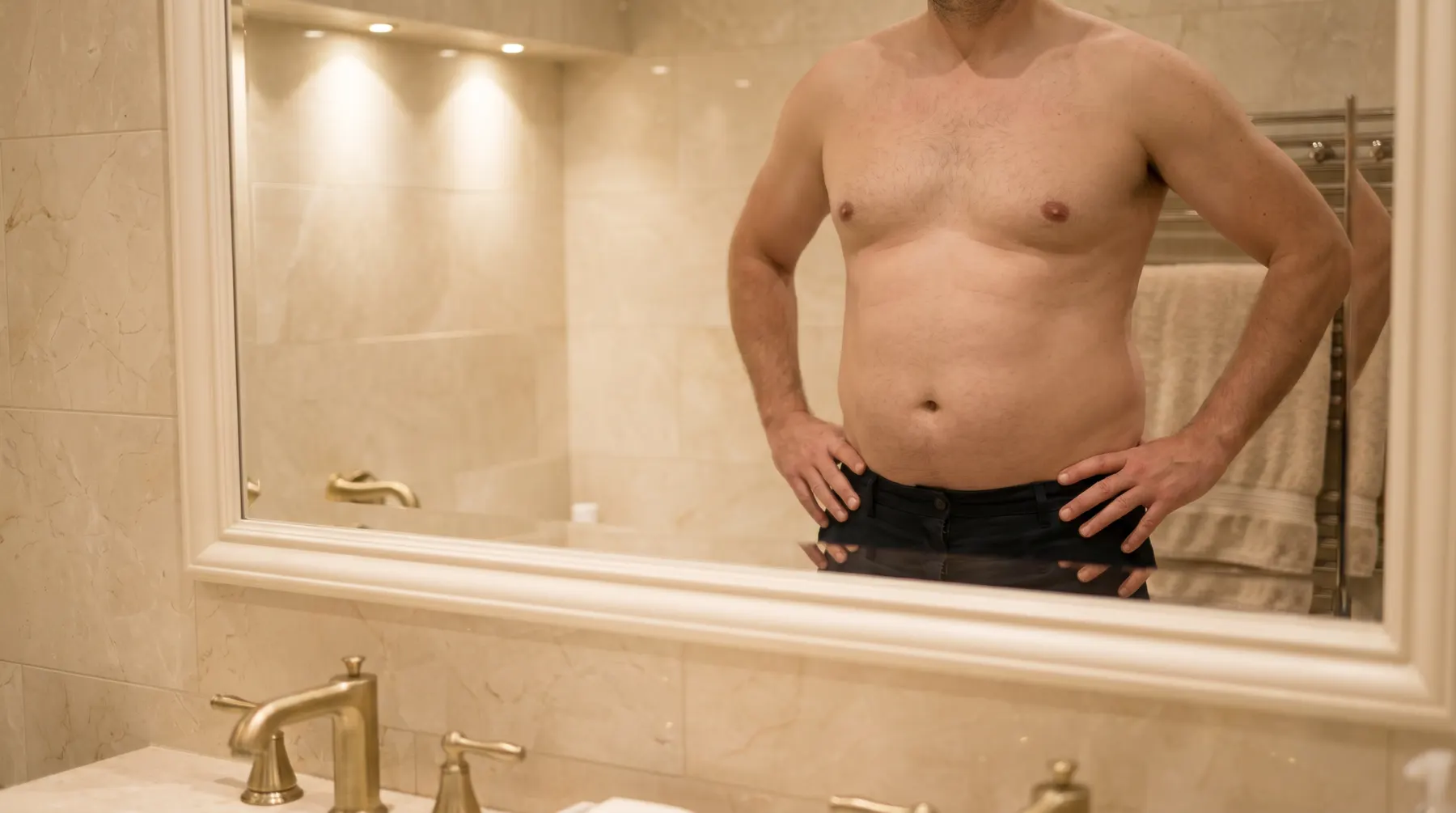
An enlarged male chest is a remarkably common condition, yet it remains a source of significant embarrassment for many men. Whether you refer to them informally as “man boobs” or use the clinical term “gynaecomastia,” the impact on body confidence, clothing choices, and lifestyle is profound.
However, not all enlarged male chests are the same. Understanding exactly what is causing the enlargement is the crucial first step toward finding the right solution.
At Luxe Skin Aesthetic Clinic in Glasgow, Dr Usman Qureshi (Dr Q) specialises in diagnosing and treating male chest enlargement. In this guide, we will explain the difference between true gynaecomastia and pseudogynaecomastia (chest fat), how to tell which one you might have, and the advanced non-surgical treatments available to resolve it.
What is True Gynaecomastia?
True gynaecomastia is the benign (non-cancerous) enlargement of the actual glandular breast tissue in males.
The Causes
It is almost always caused by an imbalance of hormones, specifically a decrease in the amount of testosterone compared with oestrogen. This imbalance can occur naturally during specific life stages:
- Infancy: Due to the mother’s oestrogen.
- Puberty: Hormonal fluctuations during adolescence often cause temporary gynaecomastia that usually resolves on its own.
- Older Age: As men age, testosterone levels naturally decline, and body fat (which produces oestrogen) often increases.
Other causes include certain medications (such as anti-androgens, anabolic steroids, and some antidepressants), underlying health conditions (like liver disease or hyperthyroidism), and the use of recreational drugs or excessive alcohol.
The Symptoms
- A firm, rubbery, or dense mass of tissue located directly behind the nipple/areola.
- It may affect one or both sides of the chest (sometimes unevenly).
- The area may feel tender or sensitive to the touch.
What is Pseudogynaecomastia (“Man Boobs”)?
Pseudogynaecomastia is the medical term for what most people call “man boobs.” It refers to the accumulation of excess, localised fat in the chest area, without any enlargement of the glandular tissue.
The Causes
Pseudogynaecomastia is primarily associated with weight gain and obesity. However, genetics also play a significant role in where your body stores fat. Some men are genetically predisposed to store stubborn fat in the chest area, meaning they can suffer from pseudogynaecomastia even if they are otherwise relatively fit and healthy.
The Symptoms
- The chest feels soft and uniform, similar to fat on other parts of the body.
- There is no hard or rubbery lump behind the nipple.
- It is generally not tender or painful.
- It usually affects both sides of the chest evenly.
How to Tell the Difference: The Self-Check
While a professional medical diagnosis is always recommended, you can perform a simple self-examination to get an idea of which condition you might have.
- Lie Flat on Your Back: This spreads the tissue out, making it easier to feel.
- Use Your Thumb and Forefinger: Gently pinch the tissue around and directly beneath your nipple.
- Feel for Texture:
- If the tissue feels soft, uniform, and yields easily to pressure (like the fat on your stomach), it is likely pseudogynaecomastia (fat).
- If you feel a firm, rubbery, or dense disc-like mound of tissue directly behind the areola that feels distinct from the surrounding fat, it is likely true gynaecomastia (glandular tissue).
Note: Many men present with a combination of both excess fat and enlarged glandular tissue.
Treatment Options: You Don’t Always Need Surgery
In the past, the only way to address an enlarged male chest was through invasive surgery involving general anaesthesia, significant scarring, and weeks of downtime. Today, advanced aesthetic medicine offers highly effective alternatives.
Treating Pseudogynaecomastia (Fat)
If your enlarged chest is primarily due to fat, diet and exercise are the first lines of defence. However, if you have stubborn pockets of fat that resist your best efforts in the gym, non-surgical body contouring is an excellent option.
At Luxe Skin, Dr Q uses advanced radiofrequency-assisted lipolysis (RFAL). This minimally invasive procedure, performed under local anaesthesia, uses radiofrequency energy to melt the stubborn fat cells while simultaneously tightening the overlying skin. The liquefied fat is then gently suctioned away.
Treating True Gynaecomastia (Glandular Tissue)
If you have a significant amount of dense glandular tissue, surgical excision may still be required. However, many men with mild to moderate true gynaecomastia, or a combination of fat and gland, can achieve excellent results with Dr Q’s radiofrequency gynaecomastia treatment.
The radiofrequency energy not only melts fat but also causes significant contraction of the fibrous tissue and skin, resulting in a flatter, more masculine contour without the need for large surgical incisions.
Comparing the Approaches
| Feature | Traditional Surgery | Radiofrequency Contouring (Luxe Skin) |
|---|---|---|
| Anaesthesia | General (asleep) | Local (awake, but numb) |
| Scarring | Visible incisions around the areola | Tiny, virtually invisible entry points |
| Downtime | 1 to 2 weeks off work | A few days |
| Skin Tightening | Minimal (often requires skin removal) | Significant (RF energy stimulates collagen) |
| Best For | Severe glandular enlargement | Pseudogynaecomastia & mild/moderate mixed cases |
Book Your Consultation in Glasgow
You do not have to guess what is causing your enlarged chest, nor do you have to live with the embarrassment it causes.
The first step is a professional assessment. At Luxe Skin, Dr Usman Qureshi provides a discreet, confidential environment to discuss your concerns. With his extensive medical background, Dr Q will accurately diagnose your condition and recommend the most effective, least invasive treatment plan to restore your masculine chest contour.
Contact Luxe Skin today to schedule your consultation and explore our advanced men’s aesthetic treatments.
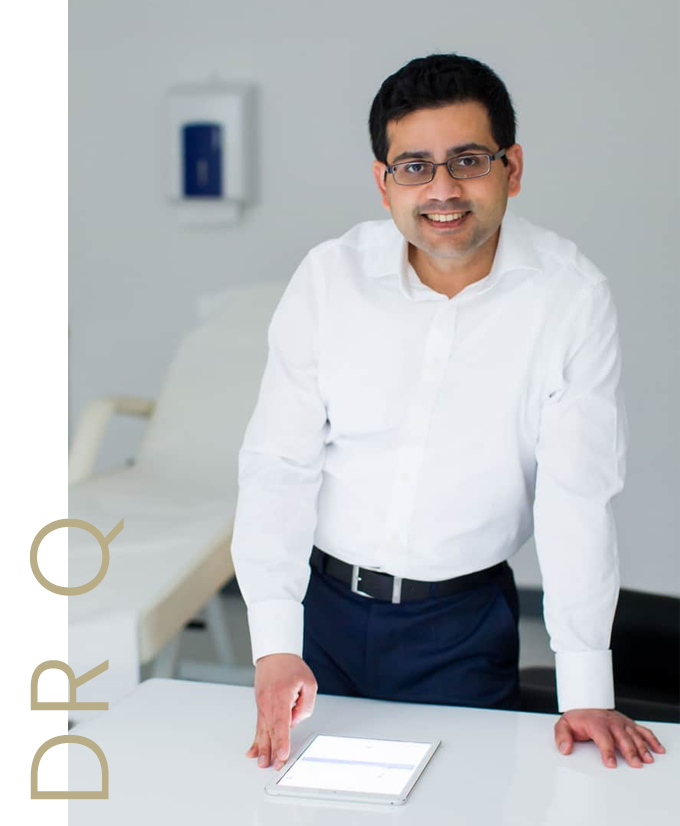
Dr Usman Qureshi (Dr Q) is a leading expert in aesthetic medicine with a 22 year career and a background spanning general practice, including A&E, and 12 years specialising in cosmetic procedures. A University of Glasgow graduate of 2002, he is the innovator behind the signature Q Lift, has performed over 20,000 procedures, and is an international speaker and trainer whose work has featured in Glamour and Harpers Bazaar.