
Introduction
The thread lift has become one of the most sought-after non-surgical aesthetic treatments in the UK. By using dissolvable sutures to physically lift and reposition sagging skin, it offers a middle ground between dermal fillers and a traditional surgical facelift.
At Luxe Skin Aesthetic Clinic in Glasgow, Dr Usman Qureshi (Dr Q) performs advanced thread lifting techniques, including the use of PDO, PLLA, and his signature Q Lift permanent suspension threads.
While the procedure itself is minimally invasive and performed under local anaesthesia, what you do in the first fortnight decides how the threads settle. Below is the recovery week by week, so you know what is normal and what is worth ringing us about.
Immediate Aftermath: The First 24 Hours
The first day following your thread lift is when you will experience the most noticeable side effects. Because the procedure involves inserting threads beneath the skin to lift the tissue, your body will naturally respond with inflammation.
What You Will Experience
- Tightness and Tugging: You will feel a distinct sensation of tightness, especially when moving your face, chewing, or speaking. This is entirely normal and indicates that the threads are holding the tissue in its new, elevated position.
- Swelling and Bruising: Mild to moderate swelling is expected, particularly around the insertion points (usually near the hairline or jawline). Bruising may also begin to develop.
- Puckering or Dimpling: You might notice slight puckering or dimpling of the skin where the threads have been anchored. This is a temporary side effect that typically resolves as the threads settle.
- Tenderness: The treated areas will be tender to the touch.
Aftercare on Day 1
- Apply Ice: Gently apply cold compresses (wrapped in a cloth) to the swollen areas for 10-15 minutes at a time. Do not apply ice directly to the skin.
- Keep Your Head Elevated: Sleep on your back with your head propped up on two or three pillows to minimise overnight swelling.
- Avoid Touching Your Face: Do not massage, rub, or apply pressure to your face.
- Take Prescribed Medication: Use over-the-counter pain relief (like paracetamol) as directed by Dr Q. Avoid ibuprofen or aspirin, as they can increase bruising.
Week 1: The Settling Phase (Days 2-7)
During the first week, the initial inflammation will peak and then begin to subside. This is the most critical period for protecting the placement of the threads.
What You Will Experience
- Peak Swelling: Swelling usually peaks around day 2 or 3 before gradually decreasing.
- Bruising: Any bruising will become more apparent before it starts to fade (turning yellow or green).
- Reduced Tightness: The intense feeling of tightness will begin to ease, though you will still feel the threads when making exaggerated facial expressions.
- Dimpling Resolves: Any minor skin puckering should start to smooth out.
Aftercare in Week 1
- Restrict Facial Movements: Avoid excessive smiling, laughing, or wide yawning.
- Soft Diet: Stick to soft foods that do not require heavy chewing (e.g., soups, smoothies, mashed vegetables) to prevent straining the jawline and lower face threads.
- Gentle Cleansing: Wash your face very gently. Do not scrub or use exfoliating products.
- Avoid Makeup: It is best to avoid applying makeup over the insertion points for at least 48 hours to prevent infection.
- No Strenuous Exercise: Avoid heavy lifting, intense cardio, or any activity that raises your blood pressure or causes you to strain your facial muscles.
Week 2: Returning to Normal (Days 8-14)
By the second week, most patients feel comfortable returning to their normal social and professional activities. The visible signs of the procedure should be minimal.
What You Will Experience
- Minimal Swelling: The majority of the swelling will have resolved, revealing a more accurate picture of your lifted contours.
- Fading Bruises: Any remaining bruising can usually be easily concealed with light makeup.
- Comfortable Movement: The sensation of tightness will be significantly reduced, and normal facial expressions will feel much more comfortable.
Aftercare in Week 2
- Resume Light Exercise: You can gradually reintroduce light cardiovascular exercise (like walking or gentle cycling), but continue to avoid heavy weightlifting or high-impact workouts.
- Continue Sleeping on Your Back: It is still advisable to sleep on your back to avoid putting pressure on the sides of your face.
- Avoid Dental Work: Do not schedule any routine dental appointments, as opening your mouth wide can disrupt the threads.
- No Facial Massages: Avoid professional facials, strong facial massages, or treatments that involve pulling the skin.
Weeks 3 to 4: The Collagen Building Phase
As you enter the third and fourth weeks, the physical recovery from the insertion process is largely complete. However, the biological benefits of the thread lift are just beginning.
What You Will Experience
- Complete Settling: The threads will have fully integrated into the tissue. You should no longer feel them, and any residual tightness or dimpling will be gone.
- Improving Skin Quality: If you received PDO or PLLA threads, your body will have started producing new collagen around the sutures. You may begin to notice an improvement in skin texture, firmness, and overall radiance.
Aftercare in Weeks 3 and 4
- Resume Normal Activities: You can return to your regular exercise routine and diet.
- Skincare Routine: You can safely resume your normal skincare regimen, including the use of active ingredients (like retinol or vitamin C), provided your skin has fully healed.
- Avoid Deep Heat Treatments: Continue to avoid treatments that deliver deep heat to the dermis (such as radiofrequency or strong lasers) over the threaded areas, as this could prematurely degrade dissolvable threads.
Months 2 to 6: The Final Results
The true magic of a thread lift is revealed in the months following the procedure.
What You Will Experience
- Maximum Lift and Firmness: The collagen production stimulated by the threads reaches its peak. The skin will appear firmer, thicker, and more lifted than it did immediately after the procedure.
- Long-Lasting Rejuvenation: Depending on the type of threads used, the results can last anywhere from 12 to 18 months (for PDO/PLLA) or several years (for permanent suspension threads like the Q Lift).
Summary of the Recovery Timeline
| Recovery Phase | Expected Symptoms | Key Restrictions |
|---|---|---|
| Days 1-3 | Peak swelling, bruising, tightness, tenderness | No touching face, sleep elevated, soft diet only |
| Days 4-7 | Swelling subsides, bruising fades, dimpling smooths | No strenuous exercise, limit facial expressions |
| Weeks 2-3 | Minimal visible signs, comfortable movement | No dental work, no facial massages, light exercise only |
| Weeks 4+ | Fully settled, collagen production begins | Resume normal activities, avoid deep heat treatments |
Book Your Thread Lift Consultation in Glasgow
A thread lift offers a remarkable way to rejuvenate the face, lift sagging jowls, and restore youthful contours without the downtime of traditional surgery. However, the success of the treatment relies heavily on the skill of the practitioner and your commitment to the recovery process.
At Luxe Skin, Dr Usman Qureshi brings over 12 years of aesthetic medical experience to every procedure. With a deep understanding of facial anatomy and a commitment to natural-looking results, Dr Q will guide you through every step of your thread lift journey.
Book a consultation at Luxe Skin and Dr Q will tell you whether threads are the right answer for your face, or whether something else would serve you better.
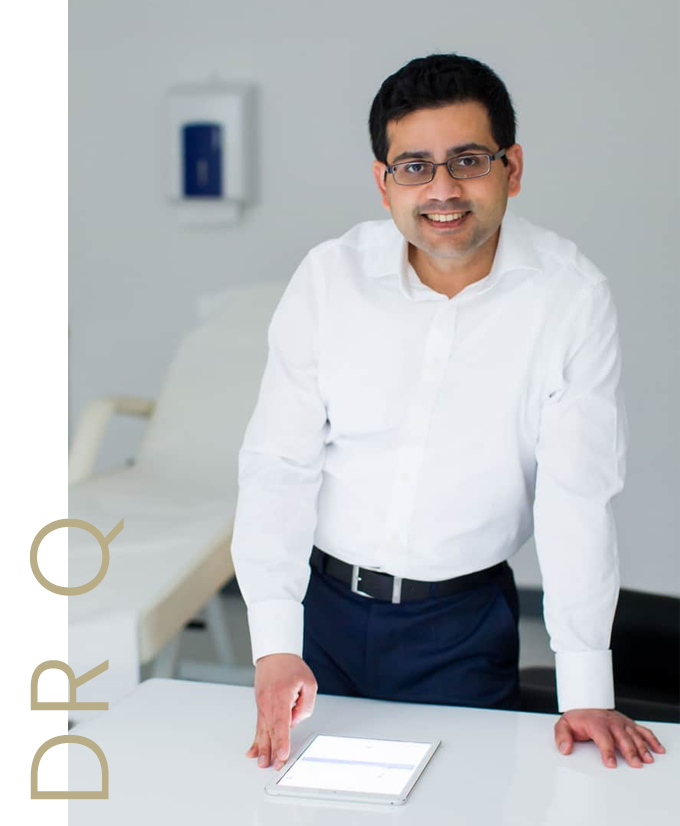
Dr Usman Qureshi (Dr Q) is a leading expert in aesthetic medicine with a 22 year career and a background spanning general practice, including A&E, and 12 years specialising in cosmetic procedures. A University of Glasgow graduate of 2002, he is the innovator behind the signature Q Lift, has performed over 20,000 procedures, and is an international speaker and trainer whose work has featured in Glamour and Harpers Bazaar.