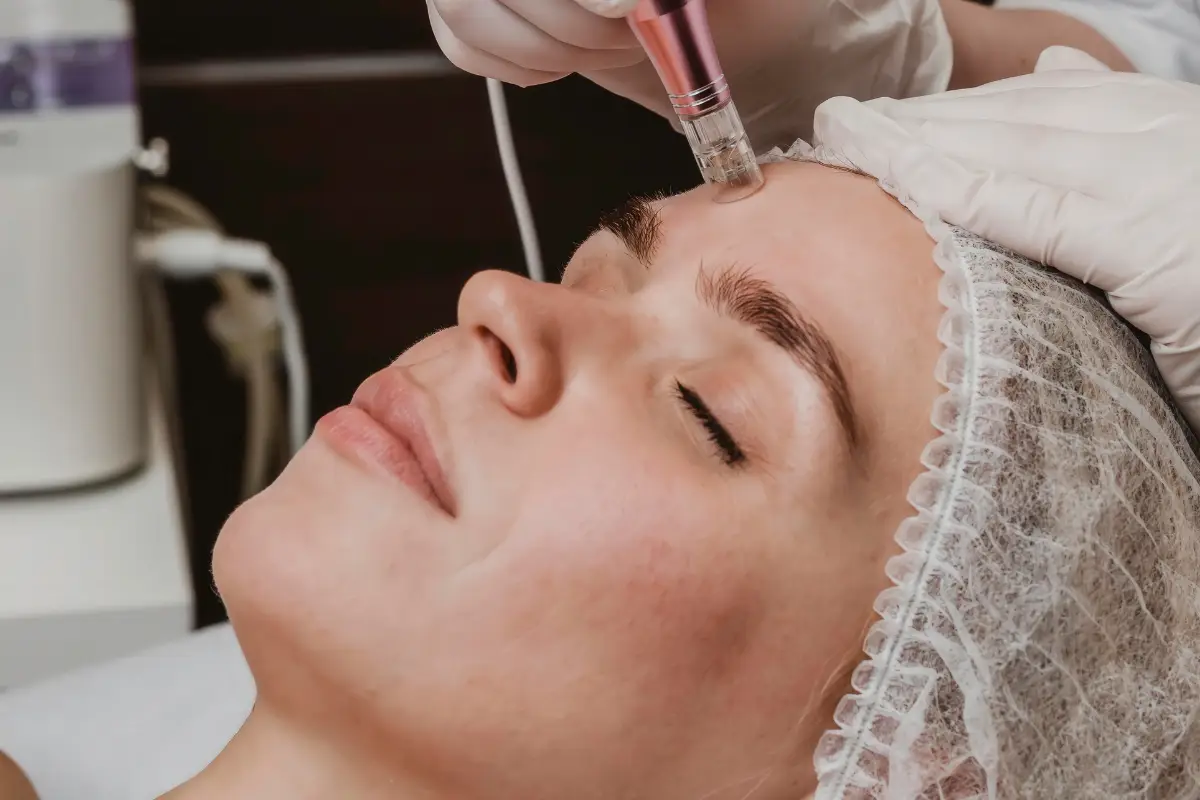
In aesthetic medicine, few topics generate as much buzz, and confusion, as regenerative skin therapies. Two of the most discussed treatments are PRP (Platelet-Rich Plasma) and Exosome Therapy. Both aim to improve skin health, boost collagen, and restore youthful texture. But they work in fundamentally different ways, and if you’re looking to rebuild the skin’s extracellular matrix, those differences matter.
At Luxe Skin by Dr Q in Glasgow, we frequently use both therapies in practice. But knowing which one is right for your skin condition, age, and goals is key. Let’s dig into the science, the applications, and the results, starting with the foundation: your skin matrix.
Understanding the Skin Matrix
Your skin is more than just what you see in the mirror. Beneath the surface lies the extracellular matrix (ECM), a dynamic network of proteins, fibres, and gel-like substances that give your skin structure, resilience, and elasticity.
The ECM includes:
- Collagen: The most abundant protein in your skin, providing firmness and support.
- Elastin: Allows your skin to stretch and snap back, essential for youthful bounce.
- Glycosaminoglycans (like hyaluronic acid): Retain moisture and plumpness.
- Fibroblasts: The key worker cells that produce collagen, elastin, and other structural components.
What Breaks It Down?
Ageing, sun damage, chronic inflammation, and lifestyle factors (stress, diet, lack of sleep) cause the ECM to degrade. Once that happens, your skin starts to:
- Sag and thin
- Form lines and wrinkles
- Lose its ability to repair itself
That’s where regenerative treatments like PRP and exosomes come in. But they don’t function the same way, or deliver the same results.
PRP: Platelet-Rich Plasma, What It Does Well
PRP has been used in medicine for over a decade, and it became a household name thanks to its natural, non-surgical benefits in skin rejuvenation, hair restoration, and joint healing.
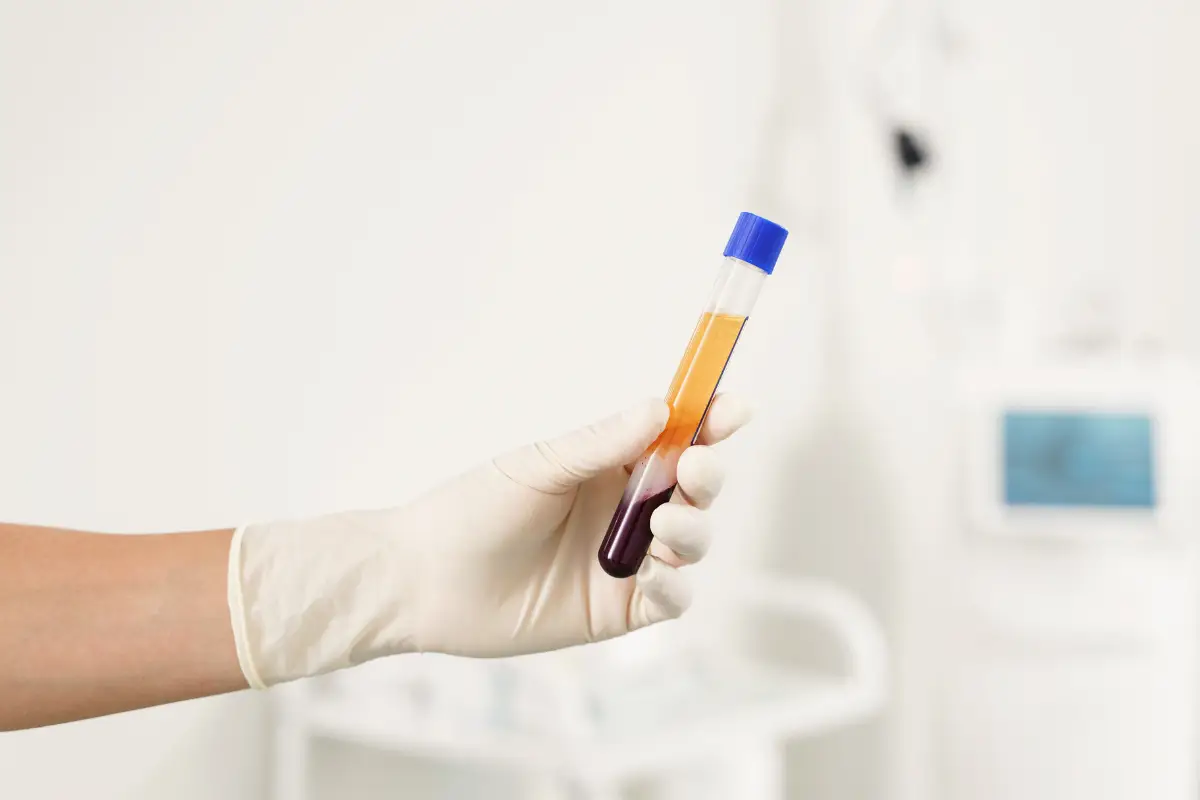
PRP is created by drawing a small sample of your blood, spinning it in a centrifuge to separate the plasma from red cells, and extracting the concentrated platelet-rich plasma. This plasma contains growth factors, proteins that signal the body to begin healing.
✅ Benefits of PRP for Skin:
| Target | Benefit |
|---|---|
| Under-eye area | Brightens and thickens crepey skin |
| Fine lines | Stimulates mild collagen production |
| Post-acne scarring | Aids in textural smoothing when combined with microneedling |
| Dull skin | Improves overall tone and circulation |
| Hair loss | Supports follicle stimulation and regrowth |
PRP is especially beneficial for patients under 40, or those with early signs of skin ageing. It’s completely natural, low-risk, and easy to combine with other treatments.
But PRP has biological limitations.
⚠ PRP Limitations:
- Quality depends on your biology: If you’re older, your platelet count and growth factor quality may be diminished.
- Inconsistent results: Two patients may respond very differently.
- Limited cell-to-cell signalling: PRP doesn’t carry the advanced molecular messengers needed to repair complex or long-term skin damage.
This is where exosomes dramatically raise the bar.
Exosomes: Cellular Therapy for 2025 and Beyond
Exosomes are nanoscale vesicles, tiny messenger “bubbles” released by stem cells to carry out biological instructions. Think of them as delivery drones for regeneration. They contain RNA, peptides, lipids, enzymes, and growth factors that influence how your skin repairs itself.
In 2025, exosome therapy is no longer emerging. It’s here, refined, and clinically validated.
🔬 What Exosomes Deliver That PRP Can’t:
| Factor | PRP | Exosomes |
|---|---|---|
| Stem Cell Signals | ❌ None | ✅ High concentration |
| RNA & Peptides | ❌ No | ✅ Yes, direct cell communication |
| Inflammation Modulation | ✅ Mild | ✅ Strong |
| Collagen Density Boost | ✅ Limited | ✅ Deep dermal regeneration |
| Standardisation | ❌ Varies by patient | ✅ Laboratory-controlled, consistent results |
Most exosomes used in skincare are harvested from mesenchymal stem cells (usually from donated placental tissue or umbilical cord fluid), then purified and stabilised for use. This gives them a power-packed formulation that works regardless of your age, platelet count, or overall health.
Clinical Use Cases: When to Choose Which
Let’s now explore the real-world aesthetic applications for PRP vs exosomes.
| Concern | Best Option | Why |
|---|---|---|
| Crepey under-eye skin | PRP or PRP + Exosomes | PRP works well, but adding exosomes prolongs and enhances results |
| Hollow tear troughs | Exosomes + filler | Exosomes improve tissue quality; filler provides volume |
| Early-stage ageing (30s) | PRP | Great for mild wrinkles and dullness |
| Advanced ageing or sun damage | Exosomes | Rebuilds ECM from the dermis outward |
| Acne scars | Exosomes + RF Microneedling | Strong collagen remodelling in deep layers |
| Post-laser recovery | Exosomes | Speeds up healing, reduces redness, enhances results |
In most cases, exosomes outperform PRP in areas where true structural rejuvenation is needed, particularly collagen and elastin loss in the jawline, cheeks, and around the eyes.
Treatment Protocol, Cost & Downtime
While both PRP and exosomes are minimally invasive treatments, they differ in application, intensity, and outcome timeline. Here’s a breakdown of what you can expect with each:
| Feature | PRP | Exosomes |
|---|---|---|
| No. of Sessions | 3 to 6 sessions spaced 4 to 6 weeks apart | 1 to 3 sessions with 6 to 12 month gaps |
| Cost Per Session (avg.) | £250, £400 | £450, £700 |
| Downtime | Mild redness, swelling for 24 to 48 hrs | Mild flushing for 6 to 12 hrs |
| Best Combined With | Microneedling, LED therapy | RF Microneedling, skin boosters, laser resurfacing |
| Longevity of Results | 4 to 6 months (maintenance needed) | 9 to 18 months depending on skin age & concern |
A Luxe Skin Approach: Personalised Plans
Dr Q doesn’t believe in “off-the-shelf” protocols. Instead, every treatment is planned based on:
- Age and skin thickness
- Genetic skin quality
- Inflammation levels
- Repair history (e.g., past acne, sun damage)
- Event timelines (e.g., wedding, holiday, skin reboot)
For example, a 45-year-old woman with early jowling and hollow under-eyes might receive:
- PRP + microneedling (first phase) for circulation and superficial brightening
- Exosome injectable session (second phase) for dermal collagen synthesis
- Skin boosters (final phase) to maintain hydration and glow
Real Patient Results & Case Study
Case Study: Caroline, Age 47
Concerns: Loss of jawline definition, tired eyes, dull skin tone
Protocol:
- Session 1: PRP with microneedling (focused on eyes and mid-face)
- Session 2 (4 weeks later): Injectable exosomes along jawline and cheeks
- Session 3 (3 months later): Skin boosters + LED
Outcome:
- Firmer jawline contour by week 6
- Under-eye texture and brightness improved noticeably
- Overall tone and glow maintained beyond 9 months with just one top-up
“I’ve had fillers before, but nothing ever made my skin feel so refreshed and dense. This was regenerative, not cosmetic cover-up.”
Patient FAQs: Answered
Can I have both PRP and exosomes in one session?
Yes, especially if they’re injected into different layers or paired with microneedling. We often use PRP to “prime” and exosomes to “build.”
Are exosomes stem cells?
No. Exosomes are signalling molecules secreted by stem cells. They don’t contain DNA or the ability to divide, but they carry the “instructions” for your skin to heal like it’s younger.
Are exosomes safe?
Yes. At Luxe Skin, we use medical-grade, ethically sourced exosomes tested for purity, sterility, and safety.
Will I see instant results?
Some glow appears in days (especially with PRP), but structural repair takes time, typically 4 to 12 weeks to visibly firm and densify the skin.
Final Verdict: Which Treatment Actually Rebuilds Skin?
Let’s recap:
| Key Outcome | PRP | Exosomes |
|---|---|---|
| Superficial Glow | ✅ Excellent | ✅ Excellent |
| Under-Eye Rejuvenation | ✅ Good | ✅ Excellent with support |
| Scar + Texture Repair | ⚠ Mild | ✅ Strong |
| Deep Collagen Production | ⚠ Limited | ✅ Significant |
| Consistency Across Patients | ⚠ Variable | ✅ Predictable |
| Age-Independent Results | ⚠ Better for <40 | ✅ Ideal for 35+ |
If your goal is real, dermal-layer regeneration and skin matrix rebuilding, exosomes win. Especially if your skin has already begun to lose structural collagen, or you’re recovering from chronic sun damage or acne scarring.
That said, PRP remains valuable, particularly for younger clients, budget-conscious patients, or those looking for a gentler introduction to regenerative medicine.
At Luxe Skin, we often combine them strategically, building from the surface down, and from the inside out.
💡 Not Sure Which Is Right for You?
Start with a full skin health consultation. At Luxe Skin, Dr Q will analyse your skin on a cellular level, including hydration, laxity, and inflammation, and create a long-term plan built around your biology, not just trends.
🔗 Learn more about PRP therapy in Glasgow
🔗 Explore Exosome therapy at Luxe Skin
📍 And don’t forget, results begin with the right diagnosis.
✅ Book Your Consultation Today
Luxe Skin, Aesthetic Clinic by Doctor Q
227 Ingram St, Glasgow G1 1DA, United Kingdom
https://luxeskin.co.uk
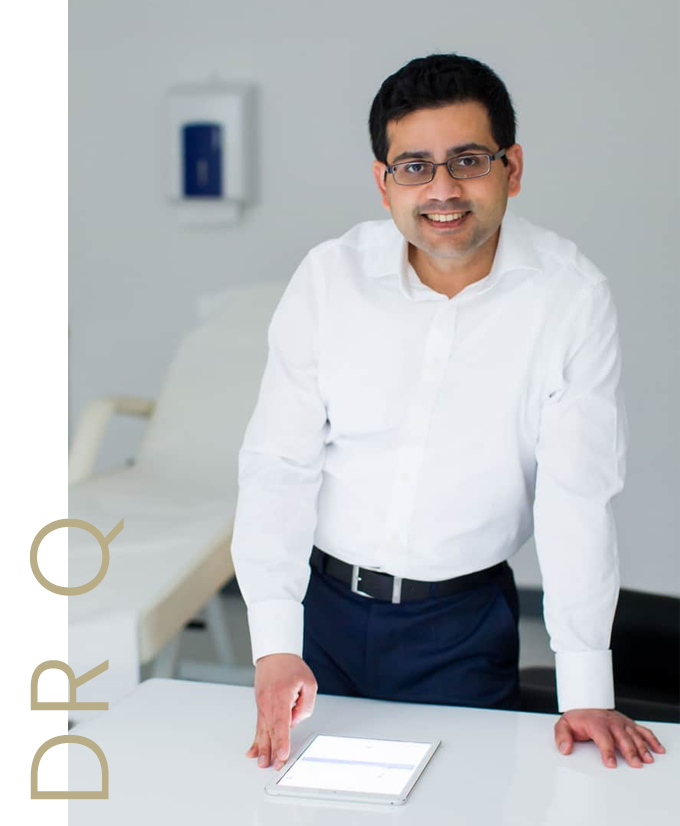
Dr Usman Qureshi (Dr Q) is a leading expert in aesthetic medicine with a 22 year career and a background spanning general practice, including A&E, and 12 years specialising in cosmetic procedures. A University of Glasgow graduate of 2002, he is the innovator behind the signature Q Lift, has performed over 20,000 procedures, and is an international speaker and trainer whose work has featured in Glamour and Harpers Bazaar.