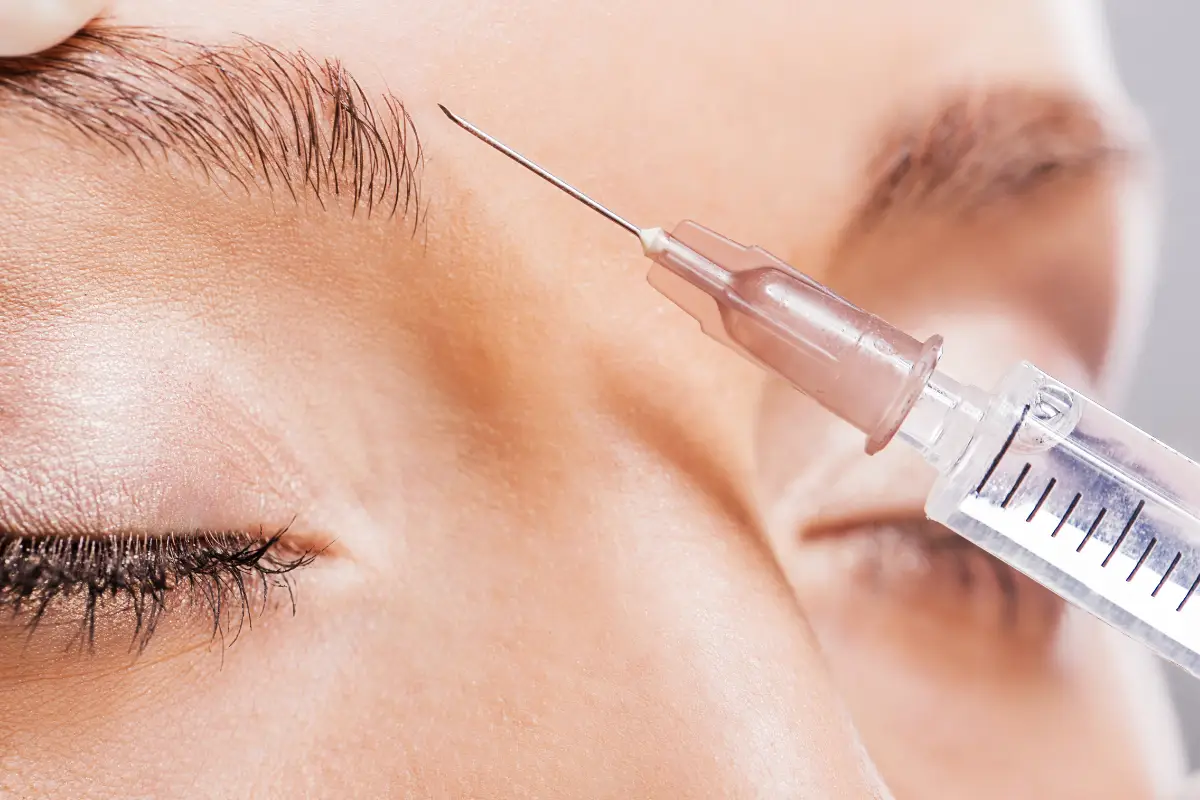
In the world of aesthetic medicine, few treatments have achieved the widespread recognition and popularity of Botox. However, there’s a significant difference between basic Botox administration and the advanced, nuanced approach that delivers truly natural-looking results. At DR Q Luxe Skin in Glasgow, we’ve pioneered techniques that go far beyond the standard “frozen” appearance that many associate with this treatment.
This comprehensive guide explores Dr Q’s advanced Botox techniques, with a particular focus on natural movement retention, the art of reducing wrinkles while preserving authentic facial expressions. Whether you’re new to aesthetic treatments or looking to refine your Botox experience, understanding these sophisticated approaches will help you achieve the refreshed, natural look that defines modern aesthetic medicine.
The Evolution of Botox: From Frozen Faces to Natural Movement
The journey of Botox in aesthetic medicine reflects a significant evolution in both technique and philosophy. Understanding this progression helps appreciate the sophistication of today’s advanced approaches.
The Historical Perspective
When Botox (Botulinum Toxin Type A) first gained popularity for cosmetic use in the early 2000s, the prevailing aesthetic often favoured a more dramatic, obviously “treated” appearance:
•Heavy dosing was common, particularly in the forehead and glabella
•Full paralysis of treated muscles was often the goal
•Limited understanding of facial dynamics led to unnatural results
•”Frozen” appearances were accepted as the inevitable trade-off for wrinkle reduction
This early approach, while effective for wrinkle reduction, often resulted in the expressionless look that became stereotypically associated with Botox treatments.
The Modern Approach
Today’s advanced Botox techniques represent a fundamental shift in philosophy:
•Preservation of natural movement is prioritised alongside wrinkle reduction
•Micro-dosing strategies allow for precise, targeted results
•Comprehensive understanding of facial anatomy informs treatment planning
•Customisation based on individual facial dynamics and expression patterns
This evolution reflects broader changes in aesthetic medicine, with natural-looking results now considered the gold standard of treatment success.
The Science of Natural Movement: Understanding Facial Dynamics
To appreciate Dr Q’s advanced techniques, it’s essential to understand the complex interplay between facial muscles, expressions, and the ageing process.
Facial Muscle Anatomy: Beyond the Basics
The human face contains 43 muscles that work in intricate coordination to create our expressions. Traditional Botox approaches often oversimplify this complexity, but advanced techniques require a nuanced understanding:
| Muscle Group | Traditional Approach | Advanced Approach |
| Frontalis (Forehead) | Complete paralysis | Selective weakening with movement preservation |
| Glabellar Complex (Frown) | Full immobilisation | Graduated relaxation with micro-dosing |
| Orbicularis Oculi (Eye Area) | Heavy crow’s feet treatment | Strategic placement for eye opening without freezing |
| Nasalis (Nose) | Often overlooked | Precise treatment for bunny lines without affecting smile |
| Orbicularis Oris (Mouth) | Limited treatment due to movement concerns | Specialised techniques for lip lines with smile preservation |
The Neurophysiology of Botox
At its core, Botox works by temporarily blocking the release of acetylcholine at the neuromuscular junction, preventing muscle contraction. However, the science becomes more sophisticated when considering:
1.Diffusion patterns, How the product spreads from the injection point
2.Dose-response relationships, How different amounts affect different muscle types
3.Anatomical variations, How individual differences impact optimal treatment
4.Muscle interplay, How treating one muscle affects the dynamic function of others
Dr Q’s approach incorporates this deeper understanding, treating the face as an integrated system rather than isolated areas.
Dr Q’s Signature Micro-Dosing Technique
At the heart of Dr Q’s approach to natural Botox results is a sophisticated micro-dosing technique that has been refined through years of clinical experience and continuous education.
What is Micro-Dosing?
Micro-dosing involves the strategic placement of smaller amounts of Botox at more numerous points, creating a more nuanced effect than traditional approaches:
•Traditional approach: 3-5 injection points with standard dosing
•Micro-dosing approach: 10-20+ injection points with precisely calibrated minimal doses
This technique allows for:
•Gradient relaxation rather than complete paralysis
•Preservation of micro-movements essential for natural expression
•Targeted treatment of specific wrinkle-forming muscle fibres
•Reduced risk of unwanted effects on adjacent muscles
The Technical Execution
Dr Q’s micro-dosing technique involves several technical elements that differentiate it from standard approaches:
1. Precision Mapping
Before treatment, Dr Q conducts a detailed facial mapping process that includes:
•Dynamic assessment of how the patient’s face moves during various expressions
•Identification of primary wrinkle-forming muscle fibres
•Mapping of anatomical danger zones to avoid
•Customised injection point planning based on individual facial structure
2. Dilution Methodology
The dilution of Botox plays a crucial role in achieving natural results:
•Customised dilution ratios based on treatment areas and goals
•Precise measurement using specialised low-dose syringes
•Consistent preparation protocols to ensure reliable results
3. Advanced Injection Techniques
The physical delivery of Botox is equally important:
•Superficial intramuscular technique for optimal product placement
•Controlled depth injections tailored to specific facial areas
•Atraumatic needle handling to minimise discomfort and bruising
•Strategic sequencing of injections based on muscle interplay
Area-Specific Techniques for Natural Movement
Dr Q’s approach varies significantly depending on the facial area being treated, with each region requiring specific techniques to maintain natural movement.
Forehead: The Horizontal Canvas
The forehead presents unique challenges, as complete paralysis creates an unnatural appearance, while inadequate treatment fails to address wrinkles.
The Traditional Problem
Standard forehead Botox often results in:
•Complete inability to raise eyebrows
•Heaviness in the brow area
•Compensatory overactivity in untreated areas
•Unnatural smoothness that appears obviously “treated”
Dr Q’s Solution: The Micro-Grid Technique
Dr Q’s forehead approach involves:
1.Creating a customised injection grid based on individual wrinkle patterns
2.Varying doses across the forehead with lighter treatment in central areas
3.Preserving movement corridors that allow for expressive eyebrow raising
4.Balancing treatment between lateral and medial fibres
This results in smoother skin while maintaining the ability to express surprise, concern, and other emotions that require forehead movement.
Glabellar Complex: Beyond the Standard “11s”
The glabellar area (between the eyebrows) involves multiple muscles working in concert, requiring a more sophisticated approach than the standard three-point injection.
The Traditional Problem
Standard glabellar treatment often causes:
•Complete inability to bring eyebrows together
•Unnatural central forehead smoothness
•Compensatory wrinkles in untreated adjacent areas
•Occasional brow ptosis (drooping)
Dr Q’s Solution: The Multi-Vector Approach
Dr Q’s glabellar technique includes:
1.Identifying the primary vectors of muscle contraction unique to each patient
2.Treating the procerus and corrugator muscles with different dosing strategies
3.Incorporating the superior orbital portions when necessary
4.Creating balanced relaxation rather than complete paralysis
This approach softens frown lines while allowing subtle, natural expressions of concentration or concern.
Periorbital Region: The Window to Expression
The eye area is perhaps the most critical for maintaining natural expression, requiring the most delicate and precise technique.
The Traditional Problem
Standard crow’s feet treatment can result in:
•Inability to create a genuine smile with eye involvement
•Hollowed appearance of the lower eyelid
•Cheek elevation issues during smiling
•Loss of the natural eye crease during expression
Dr Q’s Solution: The Micro-Fan Technique
Dr Q’s periorbital approach features:
1.Ultra-low dose injections in a fan pattern around the eye
2.Preservation of key smile fibres in the lower lateral area
3.Strategic treatment of the upper orbital portion for brow positioning
4.Integration with mid-face treatment for balanced results
This technique reduces crow’s feet while preserving the authentic eye narrowing that characterises genuine smiles, what psychologists call the “Duchenne marker” of authentic happiness.
Lower Face: The Final Frontier
The lower face has traditionally been approached cautiously with Botox due to movement concerns, but Dr Q’s advanced techniques have opened new possibilities.
The Traditional Problem
Standard lower face treatment risks:
•Asymmetrical smile
•Difficulty with certain speech sounds
•Drooling or difficulty with drinking
•Unnatural lip appearance
Dr Q’s Solution: The Micro-Surface Technique
Dr Q’s lower face approach includes:
1.Superficial intradermal injections rather than intramuscular
2.Extremely low doses strategically placed
3.Careful mapping of smile dynamics before treatment
4.Integration with complementary treatments like dermal fillers when appropriate
This technique addresses issues like gummy smiles, downturned mouth corners, and chin dimpling while preserving natural movement for speaking, eating, and expressing emotions.
Combination Approaches: Botox as Part of a Holistic Strategy
Dr Q’s advanced Botox techniques are often most effective when integrated into a comprehensive treatment strategy that may include other modalities.
Strategic Combinations for Natural Results
| Concern | Botox Approach | Complementary Treatment | Benefit of Combination |
| Deep Forehead Lines | Micro-dosing to reduce dynamic wrinkles | Polynucleotides for skin quality | Addresses both movement and skin texture |
| Glabellar Etched Lines | Relaxation of underlying muscle | Morpheus8 for skin remodelling | Prevents new lines while improving existing ones |
| Periorbital Ageing | Crow’s feet reduction | Tear trough fillers for hollowing | Comprehensive eye area rejuvenation |
| Lower Face Laxity | Precise masseter and platysmal band treatment | EndoDefine Laser for skin tightening | Addresses both muscular and skin components of ageing |
The Treatment Sequencing Strategy
The order and timing of treatments significantly impact results. Dr Q’s typical sequencing strategy includes:
1.Botox first, To reduce dynamic movement before addressing static concerns
2.2-week assessment, To evaluate the Botox effect before proceeding
3.Complementary treatments, Timed for optimal integration with Botox results
4.Final refinements, Minor adjustments if needed for perfect balance
This methodical approach ensures that each treatment builds upon the others for harmonious, natural-looking results.
The Patient Experience: What to Expect with Advanced Botox
Understanding the patient journey helps set appropriate expectations for those considering Dr Q’s advanced Botox techniques.
The Consultation Difference
A consultation for advanced Botox with Dr Q differs significantly from standard approaches:
•Comprehensive facial assessment including both static and dynamic evaluation
•Video analysis of facial movements and expressions
•Discussion of aesthetic goals with emphasis on natural movement preservation
•Educational component about the limitations and possibilities of treatment
•Personalised treatment planning with consideration of lifestyle and profession
The Treatment Experience
The actual treatment session reflects the sophisticated nature of the approach:
•Extended treatment time (typically 30-45 minutes vs. 15 minutes for standard Botox)
•More injection points with less discomfort due to specialised techniques
•Ongoing dialogue throughout treatment about specific areas and concerns
•Immediate post-treatment guidance for optimal results
The Follow-Up Advantage
Unlike standard Botox approaches, Dr Q’s technique includes a structured follow-up:
•2-week assessment appointment to evaluate results
•Minor adjustments if needed for perfect balance
•Photographic documentation to track results over time
•Long-term planning for maintenance treatments
This comprehensive approach ensures that results meet expectations and continue to improve with subsequent treatments.
How the Technique Works in Two Common Situations
Two situations show what the technique is aiming for and how the result is judged afterwards.
Situation One: When Your Work Depends on Expression
Where someone speaks or presents for a living, the brief is usually to soften forehead lines without losing the expressiveness the job depends on. Micro-dosing spread across the frontalis, rather than a single heavier dose, is the approach used for this, and the result is judged on:
•Visible softening of the forehead lines
•Natural expression during speaking was preserved
•A result that reads as looking rested rather than treated
•No sense of a frozen or fixed upper face
Where any of those is not achieved, the dose or the placement is adjusted at the two week review rather than left until the next full treatment.
Situation Two: Frown Lines That Read as Anger
Pronounced glabellar lines can leave a neutral face reading as annoyed, which matters in meetings and on video. A multi vector approach to the glabellar complex targets those lines while keeping the ability to knit the brows, and the result is judged on:
•Clear softening of the frown lines when the face is at rest
•Ability to express concentration and consideration was maintained
•A neutral resting expression rather than a stern one
•Movement returning gradually rather than abruptly as the effect wears off, typically across three to four months
Both of these come down to dosing and placement rather than to the product itself, which is why the mapping is done before anything is injected.
Frequently Asked Questions About Advanced Botox Techniques
How does natural movement Botox differ from regular Botox?
Natural movement Botox uses the same product (Botulinum Toxin Type A) but employs advanced techniques including micro-dosing, strategic placement, and customised treatment planning. The primary difference lies in the philosophy and execution, focusing on wrinkle reduction while preserving expressive capability, rather than seeking complete muscle paralysis. At DR Q Luxe Skin, we use premium Botox products but achieve distinctive results through Dr Q’s sophisticated application techniques.
Will I still see wrinkle reduction with movement-preserving techniques?
Yes, you will still experience significant wrinkle reduction. Our advanced techniques target the specific muscle fibres responsible for creating wrinkles while preserving those essential for natural expression. Most patients report 70-90% reduction in visible wrinkles while maintaining natural facial movement. The results appear more subtle and natural than traditional approaches but are equally effective for wrinkle reduction.
How long do results last with Dr Q’s micro-dosing technique?
Results typically last 3-4 months, similar to traditional Botox treatments. Some patients find that with regular treatments (2-3 times per year), the interval between sessions gradually extends as muscles become “retrained.” The benefit of our approach is that as the product begins to wear off, the return of movement appears gradual and natural rather than sudden and obvious.
Is the treatment more expensive than standard Botox?
Dr Q’s advanced techniques require more time, expertise, and injection points than standard approaches, which is reflected in the treatment cost. However, many patients find the investment worthwhile for the natural-looking results that avoid the stigma of obvious cosmetic treatment. We offer transparent pricing with consultations that provide exact costs based on your individual treatment plan.
Can anyone benefit from movement-preserving Botox techniques?
Most patients are excellent candidates for our advanced techniques, particularly those who:
•Want wrinkle reduction without looking “done”
•Need to maintain facial expressiveness for professional reasons
•Have had unsatisfactory results with traditional Botox approaches
•Are new to Botox and concerned about unnatural results
During your consultation, Dr Q will assess your specific needs and determine the optimal approach for your facial anatomy and aesthetic goals.
Conclusion: The Future of Natural Aesthetic Enhancement
The evolution of Botox techniques represents the broader shift in aesthetic medicine toward more sophisticated, nuanced approaches that respect natural anatomy and movement. Dr Q’s advanced techniques for natural movement retention exemplify this philosophy, offering Glasgow patients the opportunity to address signs of ageing while maintaining authentic facial expression.
As aesthetic medicine continues to advance, we remain committed to techniques that enhance rather than alter, that refresh rather than freeze, and that build confidence through natural-looking results. The future of Botox lies not in more dramatic effects but in more sophisticated, personalised approaches that work in harmony with each patient’s unique facial dynamics.
If you’re interested in experiencing the difference that advanced Botox techniques can make, we invite you to schedule a consultation with Dr Q to discuss your aesthetic goals and explore your options.
Book your advanced Botox consultation with DR Q Luxe Skin, Glasgow’s leading aesthetic clinic.
Luxe Skin, Aesthetic Clinic by Doctor Q
227 Ingram St, Glasgow G1 1DA, United Kingdom
Book your Botox treatment in Glasgow
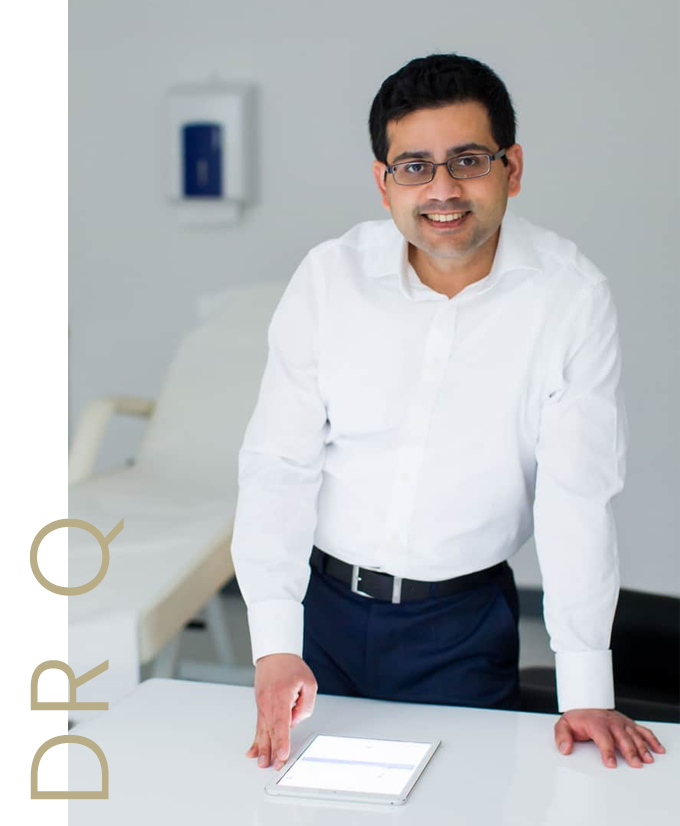
Dr Usman Qureshi (Dr Q) is a leading expert in aesthetic medicine with a 22 year career and a background spanning general practice, including A&E, and 12 years specialising in cosmetic procedures. A University of Glasgow graduate of 2002, he is the innovator behind the signature Q Lift, has performed over 20,000 procedures, and is an international speaker and trainer whose work has featured in Glamour and Harpers Bazaar.