New treatments arrive in aesthetic medicine constantly, and only a few of them change what a clinic can actually offer. Among these innovations, polynucleotide treatments have gained significant attention for their remarkable ability to regenerate skin from within. For Glasgow residents seeking advanced skin rejuvenation options, polynucleotides work differently from the skin boosters and fillers most clinics have offered until now.
This article explains the science behind polynucleotide treatments, their unique benefits, and what Glasgow patients can expect when considering this advanced skin rejuvenation option. Knowing how polynucleotides work, and where they sit against skin boosters and PRP, is what tells you whether they belong in your treatment plan at all.
Understanding Polynucleotides: The Science of Cellular Regeneration
To appreciate the revolutionary nature of polynucleotide treatments, it’s essential to understand what these compounds are and how they function within the skin.
What Are Polynucleotides?
Polynucleotides are long chains of nucleotides, the basic building blocks of DNA and RNA. In aesthetic medicine, polynucleotide formulations are typically derived from highly purified salmon DNA, which has been processed to create standardised fragments of specific molecular weights.
These purified polynucleotide chains share remarkable similarities with human DNA, making them highly biocompatible while avoiding the risks associated with human-derived products. The molecular structure of these compounds allows them to interact with skin cells in ways that traditional ingredients cannot.
The Biological Mechanism of Action
Unlike many skin treatments that work primarily at the surface level or target specific issues like wrinkles or pigmentation, polynucleotides function at the cellular level through several sophisticated mechanisms:
1.Cell Receptor Activation, Polynucleotides bind to specific cell membrane receptors, triggering intracellular signalling cascades that stimulate cellular activity and regeneration.
2.Growth Factor Stimulation, They enhance the production of growth factors such as vascular endothelial growth factor (VEGF), transforming growth factor-beta (TGF-β), and platelet-derived growth factor (PDGF).
3.Fibroblast Activation, Polynucleotides directly stimulate fibroblasts, the cells responsible for producing collagen, elastin, and hyaluronic acid, increasing their metabolic activity and proliferation.
4.ECM Regeneration, They promote the reorganisation and regeneration of the extracellular matrix (ECM), the structural framework that supports skin cells.
5.Antioxidant Protection, Polynucleotides exhibit significant antioxidant properties, protecting cells from oxidative stress and environmental damage.
6.Hydration Enhancement, Their hygroscopic nature allows them to attract and retain water molecules, significantly improving skin hydration from within.
The Scientific Evidence
The efficacy of polynucleotide treatments is supported by a growing body of scientific research:
•A 2020 study published in the Journal of Cosmetic Dermatology demonstrated that polynucleotide injections increased skin elasticity by 26% and hydration by 32% after three monthly treatments.
•Research in the International Journal of Molecular Sciences confirmed that polynucleotides significantly increased fibroblast proliferation and collagen synthesis in laboratory conditions.
•Clinical studies have shown that polynucleotide treatments can increase skin thickness by up to 18% after a complete treatment course, as measured by ultrasound imaging.
•Histological examinations have revealed increased dermal density and improved organisation of collagen fibres following polynucleotide therapy.
Polynucleotides vs. Traditional Skin Treatments: A Comparative Analysis
To understand the unique position of polynucleotides in aesthetic medicine, it’s helpful to compare them with other popular skin treatments available in Glasgow.
Polynucleotides vs. Hyaluronic Acid Fillers
While both treatments involve injectable products, they function very differently:
| Feature | Polynucleotides | Hyaluronic Acid Fillers |
| Primary Action | Cellular regeneration and tissue repair | Immediate volume restoration |
| Results Timeline | Progressive improvement over 1-3 months | Immediate results |
| Duration | 6-12 months with tissue regeneration | 6-18 months with gradual absorption |
| Treatment Focus | Skin quality and structure | Volume and contour |
| Mechanism | Cellular activation and biostimulation | Physical space occupation and hydration |
| Best For | Overall skin rejuvenation and quality | Specific volume loss and wrinkle filling |
Polynucleotides vs. Platelet-Rich Plasma (PRP)
Both treatments rest on the same regenerative principle, but they get there differently:
| Feature | Polynucleotides | PRP |
| Source | Purified salmon DNA | Patient’s own blood |
| Standardisation | Highly standardised formulation | Varies based on patient’s blood composition |
| Preparation | Ready-to-use product | Requires blood draw and processing |
| Growth Factors | Stimulates the body’s own growth factors | Directly delivers concentrated growth factors |
| Treatment Time | Approximately 30 minutes | 45-60 minutes including blood processing |
| Consistency | Consistent results between treatments | Results may vary based on patient’s condition |
Polynucleotides vs. Skin Boosters
Both aim to improve skin quality, but through different mechanisms:
| Feature | Polynucleotides | Traditional Skin Boosters |
| Primary Component | DNA fragments | Hyaluronic acid |
| Mechanism | Cellular regeneration and ECM remodelling | Hydration and minimal stimulation |
| Depth of Action | Cellular and tissue level | Primarily dermal hydration |
| Longevity | 6-12 months with tissue changes | 4-6 months |
| Target Concerns | Comprehensive skin regeneration | Primarily hydration and fine lines |
| Ideal Candidates | Multiple skin concerns and ageing | Dehydrated skin with early signs of ageing |
The Comprehensive Benefits of Polynucleotide Treatments
Polynucleotide treatments offer a wide range of benefits that address multiple skin concerns simultaneously.
Skin Structure Improvement
•Increased dermal thickness, Measurable improvement in the structural layer of the skin
•Enhanced skin elasticity, Greater resilience and bounce when the skin is stretched
•Improved skin firmness, Reduction in skin laxity and sagging
•Refined skin texture, Smoother, more even skin surface
Advanced Hydration
•Deep, long-lasting hydration, Moisture retention at the dermal level
•Improved barrier function, Enhanced protection against transepidermal water loss
•Plumper skin appearance, Visible fullness from improved hydration
•Reduced fine lines, Smoothing of dehydration lines
Anti-Ageing Effects
•Wrinkle reduction, Particularly effective for fine lines and crepey skin
•Improved skin density, Thicker, more resilient skin structure
•Enhanced skin luminosity, Restored natural glow and radiance
•Reduced appearance of pores, Refinement of skin surface and texture
Skin Repair and Regeneration
•Accelerated healing, Faster recovery from environmental damage
•Scar improvement, Reduction in the appearance of acne scars and other scarring
•Post-procedure recovery, Enhanced healing after other aesthetic treatments
•DNA protection, Shielding skin cells from further damage
Versatility Across Concerns
•Suitable for multiple skin types, Effective across Fitzpatrick skin types I-VI
•Adaptable to different ages, Beneficial for both preventative and corrective treatment
•Compatible with other treatments, Enhances results when used in combination protocols
•Whole-face approach, Addresses multiple concerns simultaneously
Ideal Candidates for Polynucleotide Treatment in Glasgow
While polynucleotide treatments offer benefits for many patients, certain individuals may see particularly impressive results.
Age-Related Considerations
Preventative Treatment (30s-40s)
For Glasgow residents in their 30s and 40s, polynucleotides offer excellent preventative benefits:
•Early intervention for skin quality concerns
•Maintenance of collagen and elastin production
•Prevention of deeper wrinkle formation
•Enhancement of natural skin resilience against Glasgow’s variable climate
Corrective Treatment (40s-60s)
For those in their 40s to 60s, polynucleotides provide corrective benefits:
•Addressing established signs of ageing
•Improving skin laxity and structure
•Enhancing skin quality before or after other aesthetic treatments
•Restoring compromised skin barrier function
Mature Skin Rejuvenation (60s+)
For mature patients, polynucleotides offer:
•Significant improvement in skin quality and vitality
•Enhanced results when combined with other treatments
•Improved healing capacity of ageing skin
•Gentle yet effective approach for thinner, more delicate skin
Specific Skin Concerns
Polynucleotides are particularly effective for addressing:
•Crepey skin texture, Especially on the face, neck, and décolletage
•Post-summer skin damage, Particularly relevant after Glasgow’s sunnier months
•Urban skin stress, Combating the effects of city pollution on skin
•Dull, tired-looking skin, Restoring vitality and luminosity
•Early signs of skin laxity, Before more aggressive treatments are needed
•Post-inflammatory concerns, Including acne scarring and redness
Lifestyle Considerations
Polynucleotide treatments are ideal for Glasgow residents who:
•Have active lifestyles requiring minimal-downtime treatments
•Experience significant exposure to urban pollution
•Seek natural-looking results without obvious intervention
•Want comprehensive skin improvement rather than targeted fixes
•Prefer treatments with cumulative benefits over time
The Polynucleotide Treatment Experience at Luxe Skin by Dr Q
Understanding what to expect during polynucleotide treatment helps patients prepare appropriately and optimises their experience and results.
Pre-Treatment Consultation
Every polynucleotide journey at Luxe Skin by Dr Q begins with a comprehensive consultation that includes:
•Detailed skin assessment using advanced imaging technology
•Discussion of concerns and expectations
•Review of medical history to ensure suitability
•Customised treatment planning based on individual needs
•Before photos for objective comparison
The Treatment Process
The polynucleotide procedure itself involves several carefully executed steps:
1.Skin cleansing, Thorough removal of makeup, oils, and surface debris
2.Topical anaesthetic application, For enhanced comfort during treatment
3.Treatment mapping, Strategic planning of injection points
4.Polynucleotide delivery, Using either microinjections or cannula technique
5.Post-treatment soothing, Application of calming, regenerative products
The entire procedure typically takes 30-45 minutes, with minimal discomfort due to the fine needles used and the anaesthetic preparation.
Immediate Post-Treatment Experience
Immediately after treatment, patients typically experience:
•Mild redness lasting 12-24 hours
•Possible small injection marks that resolve within 24-48 hours
•Slight swelling in treated areas, subsiding within 1-2 days
•Immediate feeling of skin firmness from the product placement
Recovery and Aftercare
One of the significant advantages of polynucleotide treatments is their minimal downtime:
•Social activities can typically be resumed within 24 hours
•Makeup application permitted after 24 hours
•Sun protection essential (particularly important in Glasgow even on cloudy days)
•Hydration focus both topically and internally
•Gentle skincare for 48-72 hours post-treatment
Recommended Treatment Protocol
For optimal results, we typically recommend:
•Initial series: 3-4 treatments spaced 3-4 weeks apart
•Maintenance: Single treatments every 4-6 months
•Complementary treatments: Often combined with other modalities for enhanced results
Results Timeline: What to Expect After Treatment
Understanding the typical timeline for results helps set appropriate expectations for polynucleotide treatments.
Immediate Effects (Days 1-7)
•Initial hydration, Immediate improvement in skin hydration
•Subtle plumping, Mild volumising effect from the product itself
•Preliminary glow, Early enhancement in skin luminosity
•Comfort improvement, Reduction in skin tightness or discomfort
Early Regeneration Phase (Weeks 2-4)
•Improved hydration, More significant and consistent moisture levels
•Enhanced texture, Noticeable refinement in skin surface quality
•Preliminary firmness, Beginning signs of structural improvement
•Brightened complexion, Reduction in dullness and improved radiance
Progressive Improvement (Months 1-3)
•Visible firmness, Measurable improvement in skin elasticity
•Wrinkle reduction, Softening of fine lines and wrinkles
•Structural changes, Improvement in skin thickness and density
•Consistent glow, Established enhancement in skin luminosity
Maximum Results (Months 3-6)
•Optimal skin quality, Peak improvement in overall skin condition
•Structural regeneration, Maximum enhancement in dermal thickness
•Lasting hydration, Established improvement in moisture retention
•Visible rejuvenation, Comprehensive improvement in signs of ageing
The usual timeline: polynucleotides work by stimulating the skin rather than by adding volume, so nothing changes on the day. The first differences in hydration and surface quality are typically noticed a few weeks after the initial session, and the fuller effect on texture and firmness builds across the standard course of three treatments. Response varies between individuals.
Combining Polynucleotides with Other Treatments: Synergistic Approaches
For many patients, particularly those with multiple skin concerns, combining polynucleotides with other treatments can provide enhanced results.
Polynucleotides + Botox: The Dynamic Duo
This combination addresses both dynamic wrinkles and skin quality:
•Treatment sequence: Typically Botox first, followed by polynucleotides 1-2 weeks later
•Target concerns: Expression lines, skin texture, and overall rejuvenation
•Synergistic benefits: Botox relaxes muscles while polynucleotides improve the overlying skin
•Ideal for: Patients in their 30s-50s with both dynamic wrinkles and skin quality concerns
Polynucleotides + Fillers: The Complete Rejuvenation
This combination addresses both volume loss and skin quality:
•Treatment sequence: Either can be performed first, typically spaced 2 weeks apart
•Target concerns: Volume deficits, skin laxity, and overall skin health
•Synergistic benefits: Fillers restore structure while polynucleotides improve skin quality
•Ideal for: Patients with both volume loss and skin quality concerns
Polynucleotides + Energy-Based Treatments: The Power Combination
This approach combines cellular regeneration with energy-based skin remodelling:
•Treatment sequence: Energy-based treatment first, followed by polynucleotides 2-4 weeks later
•Target concerns: Skin laxity, texture irregularities, and comprehensive rejuvenation
•Synergistic benefits: Energy treatments provide immediate effects while polynucleotides enhance and prolong results
•Ideal for: Patients seeking more significant improvement without surgery
Polynucleotides + Chemical Peels: The Texture Transformation
This combination addresses both surface concerns and deeper skin quality:
•Treatment sequence: Chemical peel first, followed by polynucleotides after complete healing
•Target concerns: Pigmentation, surface texture, and overall skin vitality
•Synergistic benefits: Peels address surface issues while polynucleotides improve deeper skin quality
•Ideal for: Patients with both surface texture concerns and deeper skin quality issues
Polynucleotides for Different Treatment Areas: Beyond the Face
While facial applications are most common, polynucleotides offer benefits for multiple body areas.
Neck and Décolletage
These areas often show signs of ageing earlier than the face due to thinner skin and less attention in skincare routines:
•Specific benefits: Improvement in crepey texture, horizontal neck lines, and chest redness
•Treatment approach: Typically requires more surface coverage than facial treatments
•Results timeline: Similar to facial treatments but may require an additional session
•Maintenance recommendation: Treatment every 4-6 months
Hands
Hand rejuvenation with polynucleotides addresses one of the most visible signs of ageing:
•Specific benefits: Improved skin thickness, reduced visibility of veins, enhanced hydration
•Treatment approach: Microinjections across the dorsal surface of hands
•Results timeline: Progressive improvement over 1-3 months
•Maintenance recommendation: Treatment every 6 months
Under-Eye Area
This delicate area benefits from the gentle yet effective nature of polynucleotides:
•Specific benefits: Improved skin thickness, reduced transparency, enhanced hydration
•Treatment approach: Specialised micro-dosing technique or cannula delivery
•Results timeline: Subtle improvement beginning at 2-3 weeks, optimal at 2-3 months
•Maintenance recommendation: Treatment every 4-6 months
Scalp
An emerging application for polynucleotides is scalp health and hair quality enhancement:
•Specific benefits: Improved scalp health, enhanced hair follicle environment, potential hair growth support
•Treatment approach: Microinjections throughout the scalp
•Results timeline: Initial improvements in scalp quality at 1 month, hair benefits at 3+ months
•Maintenance recommendation: Treatment every 3-4 months initially
Frequently Asked Questions About Polynucleotide Treatments
Are polynucleotide treatments painful?
Most patients describe polynucleotide treatments as involving minimal discomfort. At DR Q Luxe Skin, we use topical anaesthetic cream before treatment, and the polynucleotide formulations themselves contain lidocaine for additional comfort. The injections are performed with very fine needles or a cannula technique, further minimising discomfort. On a scale of 1-10, most Glasgow patients rate the discomfort level between 2-4. The treatment is typically much more comfortable than treatments like Profhilo or traditional skin boosters.
How do polynucleotides differ from PRP (platelet-rich plasma) treatments?
Both treatments rest on the same regenerative principle, but they work differently. PRP uses concentrated growth factors from your own blood to stimulate skin regeneration, requiring blood drawing and processing during your appointment. Polynucleotides are ready-to-use purified DNA fragments that directly stimulate cellular activity and regeneration without needing blood collection. Polynucleotides offer more consistent results between treatments since they’re standardised, whereas PRP results can vary based on your blood composition and health status. Many practitioners consider polynucleotides more predictable and convenient while offering comparable or superior regenerative benefits.
How long do polynucleotide results last?
The results from a complete polynucleotide treatment course (typically 3-4 sessions) generally last 6-12 months. However, this varies based on individual factors including age, lifestyle, and skin condition. Unlike treatments that simply add volume or temporarily mask concerns, polynucleotides create actual structural changes in the skin through cellular regeneration. This means the benefits develop progressively and tend to last longer than many other injectable treatments. For optimal long-term results, maintenance treatments every 4-6 months are recommended after completing the initial course.
Are polynucleotide treatments safe?
Yes, polynucleotide treatments have an excellent safety profile. The products used are highly purified, biocompatible, and undergo rigorous testing and sterilisation. Adverse reactions are rare and typically limited to temporary injection-related effects such as mild redness, swelling, or bruising. The risk of allergic reactions is extremely low due to the non-human origin of the polynucleotides (typically derived from salmon DNA). At DR Q Luxe Skin, all treatments are performed by qualified medical professionals following strict protocols to ensure safety and optimal results.
Can polynucleotides be combined with other aesthetic treatments?
Absolutely. Polynucleotides work exceptionally well as part of a comprehensive treatment plan. They can be combined with Botox for addressing dynamic wrinkles, dermal fillers for volume restoration, Morpheus8 for deeper remodelling, or EndoDefine Laser for enhanced skin tightening. The regenerative properties of polynucleotides often enhance and extend the results of these other treatments. During your consultation at DR Q Luxe Skin, we’ll discuss the optimal combination and sequencing of treatments based on your specific concerns and goals.
Conclusion: The Future of Skin Regeneration in Glasgow
Polynucleotide treatments represent a significant advancement in the field of aesthetic medicine, and they are now within reach of Glasgow patients. By working at the cellular level to stimulate the skin’s natural regenerative processes, these treatments provide comprehensive improvement that goes beyond what traditional approaches can achieve.
The unique ability of polynucleotides to address multiple skin concerns simultaneously, from hydration and texture to firmness and resilience, makes them genuinely useful in a modern treatment plan. Their excellent safety profile, minimal downtime, and natural-looking results align perfectly with the growing demand for treatments that enhance rather than alter natural appearance.
At DR Q Luxe Skin in Glasgow, we’re committed to providing our patients with the most advanced, effective, and safe treatment options available. Polynucleotide therapy exemplifies this commitment, offering sophisticated skin regeneration with minimal discomfort and downtime.
If you’re interested in exploring how polynucleotide treatments might benefit your skin, we invite you to schedule a consultation with Dr Q to discuss your specific concerns and develop a personalised treatment plan.
Book your polynucleotide consultation with DR Q Luxe Skin, Glasgow’s leading aesthetic clinic.
Luxe Skin, Aesthetic Clinic by Doctor Q
227 Ingram St, Glasgow G1 1DA, United Kingdom
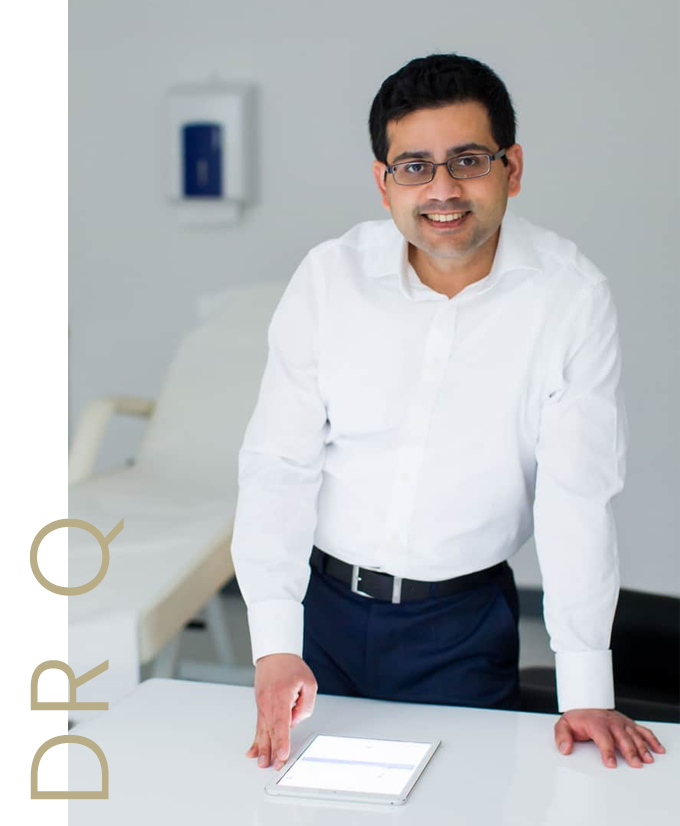
Dr Usman Qureshi (Dr Q) is a leading expert in aesthetic medicine with a 22 year career and a background spanning general practice, including A&E, and 12 years specialising in cosmetic procedures. A University of Glasgow graduate of 2002, he is the innovator behind the signature Q Lift, has performed over 20,000 procedures, and is an international speaker and trainer whose work has featured in Glamour and Harpers Bazaar.