So you’ve had your first Botox appointment. Now what? To ensure you get the most from your treatment, proper aftercare is essential. Whether you’re in Glasgow or anywhere else, following these tips will help maximise your results and avoid unwanted side effects.
In this guide, you’ll learn exactly what to do after Botox, what to avoid, and when to call your practitioner.
Why Aftercare Matters
Botox is a quick, low-downtime procedure, but the way you care for your face in the hours and days following treatment can significantly impact your results.
Botox works by relaxing the muscles that cause expression lines. It takes time to settle and integrate, and certain activities can interfere with this process or even cause unwanted diffusion into other areas.
Immediate Aftercare: The First 24 Hours
This is the most important window. What you do (or don’t do) during this time directly affects how your Botox sets in.
✅ What to Do
- Stay upright for at least 4 hours, This prevents Botox from migrating.
- Gently exercise your face, Raise your eyebrows, smile, frown. This can help Botox bind to muscle receptors more effectively.
- Use a cold compress, Only if there’s swelling or mild discomfort. Wrap it in a clean cloth.
- Hydrate, Drink plenty of water to support circulation and healing.
❌ What to Avoid
- Touching or rubbing the treated area, This can spread Botox to unintended muscles.
- Lying down or sleeping face-down, Wait at least 4 hours before reclining.
- Alcohol, Avoid for 24 hours as it can increase bruising.
- Strenuous exercise, Sweat and movement may interfere with settling.
- Makeup, If possible, skip makeup for the rest of the day, especially anything applied with pressure.
Day 2 to 3: Settling In
By now, any swelling should have resolved. You may start to notice early effects, especially if you’re a fast responder.
Tips for This Phase:
- Continue to avoid facials, peels, or aggressive skincare
- Don’t plan any major dental procedures or massages
- Stay out of tanning beds and saunas, as heat can reduce effectiveness
If bruising occurred, it typically fades within a few days. Arnica gel (applied gently) may help.
When Will You See Results?
Botox isn’t instant. Most clients begin seeing results between Day 3 and Day 7, with full effect visible by Day 14.
Everyone metabolises Botox slightly differently. If it’s your first time, you may feel a bit of asymmetry or wonder if “it’s working.” Be patient. Full symmetry and smoothness often arrive by the two-week mark.
Long-Term Aftercare: Weeks 2 to 12
Once the Botox has fully kicked in, maintain your results with these habits:
- Always wear SPF 30+: UV exposure accelerates ageing and can reverse your gains
- Hydrate and sleep well: skin regeneration relies on rest and water intake
- Avoid smoking: it breaks down collagen and speeds wrinkle formation
- Stick to gentle skincare: use non-invasive products and avoid aggressive exfoliants
What Not to Do After Botox (Ongoing)
Even weeks later, some actions may compromise results:
- Microdermabrasion or deep chemical peels too soon
- Injectables in the same area within 2 weeks
- Unlicensed massage or lymphatic drainage too close to injection sites
Always consult your provider if you’re considering combining Botox with another procedure.
When to Call Your Provider
Botox is very safe when performed by a medical professional, but rare issues can occur. Contact your clinic if you notice:
- Uneven results after 14 days
- Drooping eyelid or brow
- Muscle weakness in an untreated area
- Headache lasting more than 3 days
- Difficulty swallowing or breathing (extremely rare)
At Luxe Skin in Glasgow, all Botox is performed by Dr Q, a trained medical doctor, which significantly reduces the risk of complications.
Touch-Ups: Should You Get One?
A small top-up may be recommended around the 2-week mark if the results are uneven or not strong enough. This is normal and doesn’t mean the treatment failed.
At Luxe Skin, your follow-up appointment is an opportunity to fine-tune your look, not redo it. Most clients need this only for the first session, as dosages are perfected over time.
The Science Behind Botox Settling
Botox binds to receptors on the targeted nerve endings and blocks acetylcholine release, the neurotransmitter that triggers muscle contraction. This process takes several days, which is why results are not immediate.
The protein is absorbed within 24 hours, but muscle relaxation develops gradually as the nerve endings become inactive. This is also why aftercare that avoids facial pressure or inflammation is so critical early on, even minor disruption can affect how well Botox integrates into the muscle.
For optimal results, especially in areas like the forehead or crow’s feet, it’s essential that the Botox stays localised during those first hours post-injection.
Emotional Recovery and First-Time Anxiety
It’s normal to feel unsure or hyper-aware of your face in the days after Botox, especially for first-timers. Some clients feel like they look “different” or overly smooth, even though results are typically very subtle to others.
Understanding the emotional cycle, from curiosity to slight anxiety to confidence, can help you manage expectations. At Luxe Skin, we guide every client through what’s normal and provide follow-up support.
Environmental Factors That Affect Botox
Several lifestyle and environmental factors can influence how long Botox lasts or how well it takes hold:
- Cold weather, May slightly slow absorption in some individuals
- High stress levels, Chronic stress hormones can accelerate muscle activity
- Low zinc levels, Some studies suggest that zinc supplements may extend the life of Botox in zinc-deficient individuals
- Menstrual cycle, Hormonal shifts may alter response in some clients, particularly around ovulation
This is why a personalised, clinical approach is key: what works for one face doesn’t always apply to another.
Botox Aftercare for Specific Areas
Different Botox zones may require slightly tailored aftercare advice:
- Forehead lines, Avoid raising your brows repeatedly during the first day
- Crow’s feet, Sleep on your back to avoid pressing the eye area
- Lip flip, Avoid using straws, whistling, or intense facial movements for 24 hours
- Jawline or masseter Botox, Avoid hard chewing and gum for a day
Discuss area-specific instructions with your practitioner to get the best results from every zone treated.
Botox Aftercare FAQs
What should I not do after Botox?
Avoid rubbing your face, heavy workouts, alcohol, and lying down for 4 hours.
Can I wash my face after Botox?
Yes, just use gentle pressure and lukewarm water.
When can I wear makeup after Botox?
Wait at least 12 to 24 hours, and apply lightly.
Can I go back to work after Botox?
Absolutely. There’s no downtime, just avoid touching your face.
What if I accidentally rub my Botox area?
One light touch likely won’t ruin results, but contact your provider if concerned.
When is Botox fully settled?
Usually by Day 14.
Can I get a facial after Botox?
Wait at least 1 to 2 weeks before any facial treatments.
Final Thoughts
Botox is low-maintenance, but smart aftercare makes a big difference. Taking a few simple precautions can help your results last longer, look better, and feel more natural.
If you’re in Glasgow and want expert-led Botox with clear, supportive aftercare, Luxe Skin by Dr Q offers precision, safety, and results that speak for themselves.
📅 Ready for smoother skin? Book your Botox appointment today and talk to Dr Q or explore our full Botox Glasgow Treatment Page for more information.
Find our clinic:
Read also:
If this was your first treatment and the injections themselves surprised you, our guide to what Botox feels like explains why some areas sting more than others.
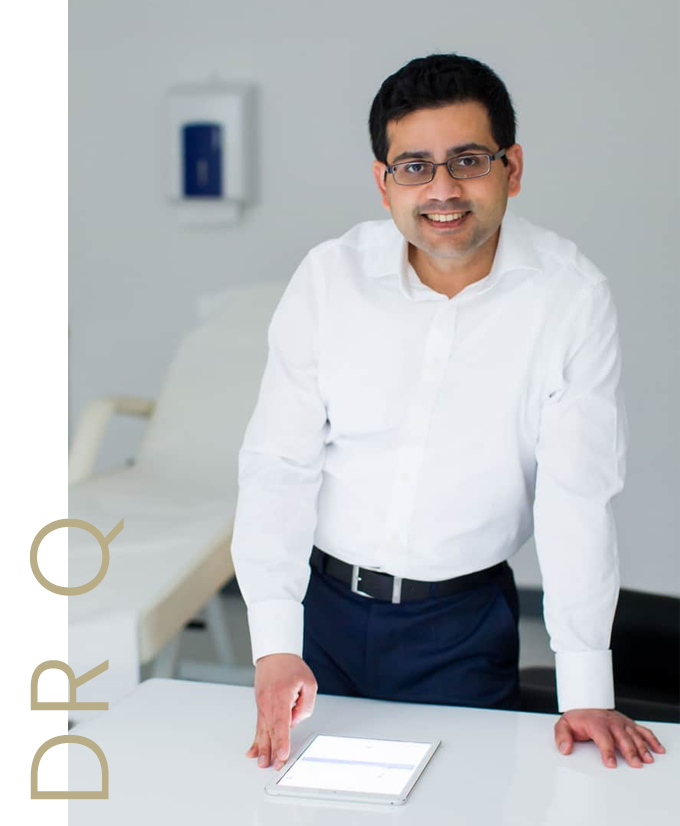
Dr Usman Qureshi (Dr Q) is a leading expert in aesthetic medicine with a 22 year career and a background spanning general practice, including A&E, and 12 years specialising in cosmetic procedures. A University of Glasgow graduate of 2002, he is the innovator behind the signature Q Lift, has performed over 20,000 procedures, and is an international speaker and trainer whose work has featured in Glamour and Harpers Bazaar.