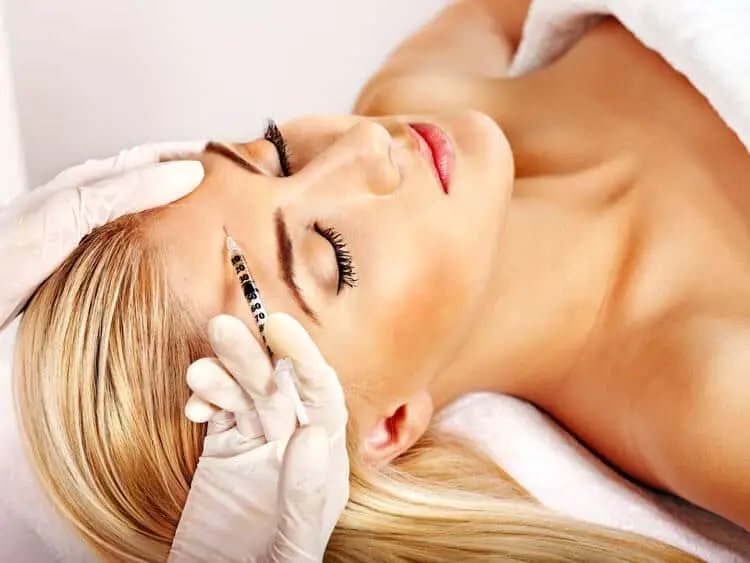
What can Botox treat?
When referring to Botox, most people know of it as an injectable treatment used to combat signs of ageing, particularly wrinkles by paralysing the underlying muscles. Botox is the most popular non-surgical cosmetic treatment, with more than 6 million Botox treatments administered each year.
What many don’t know is that Botox (a.k.a. Botulinum toxin) has many other beneficial uses, too, and they just might surprise you. These include excessive sweating, migraines, and acne. Botox can also be as a preventative measure.
How to fix frown lines
Using Botox for frown lines is a great way to reduce the look of grumpiness or anger. By simply reducing the frown line between the eyebrows, many people feel more youthful, refreshed and energised.
Botox relaxes the muscles that create fine lines and wrinkles and prevent further deepening of lines. It is a simple 10-minute procedure, with a few tiny injections directly into the muscles we want to treat.
How to get rid of forehead lines
Sometimes referred to as ‘surprise lines’, these appear on the forehead when your eyebrows are raised and as you age, they become more apparent. Excessive lines in this area can give the face and skin an aged appearance.
These horizontal lines are mostly due to ageing, sun damage or smoking. Botox can lessen the effect of these lines and during your consultation Doctor Q may consider combining a mix of Botox and dermal fillers for optimised results.
Jaw reduction using Botox
Botox can reduce the jaw size and even aid excessive teeth grinding and is an excellent alternative solution to surgery. Botulinum toxin injections weakens the corner part of the muscle, hence improve teeth grinding. The injection can also significantly reduce the size of this muscle and narrow the lower part of the face. Additional benefits from the side profile is that the cheeks become highlighted, adding definition and contour to the face.
What are the three areas of Botox?
The and most popular areas for Botox for the face are the areas surrounding around the eyes, the brows and the forehead.
- Eyes, Commonly known as Crows Feet, Botox helps your muscle relax, with less need for squinting and crinkling around your eyes.
- Brows, Any form of facial expression, smiling, laughing, and/or frowning all use the muscles around the brows.
- Forehead, It is possible to recreate a smooth and natural look again to this area, improving your aesthetic appearance.
Given the complexity of face muscles, it is important to remember to always seek professional advice beforehand.
Where on the face can you have Botox?
Upper face:
- Frown lines (between eyebrows)
- Forehead lines
- Top of the nose (bunny lines)
Eyes:
- Eyebrows/hooded eyes
- Wrinkles around the eyes (crow’s feet)
- Under the eyes (tear trough)
Lower Face:
- >Eyebrows/hooded eyes
- Chin (to prevent dimpling)
- Jawline & Neck
- Jaw Angle (teeth grinding, bruxism)
Can Botox help with excess sweating?
Hyperhidrosis, the clinical term for excessive sweating, can cause patients frustration and distress. Botox can help patients go from being super-sweaty to nearly dry and the dosage can be tailored to the degree of dryness that they want. Results from a treatment session typically last four to six months.
Click here to find out more information about Botox treatment.
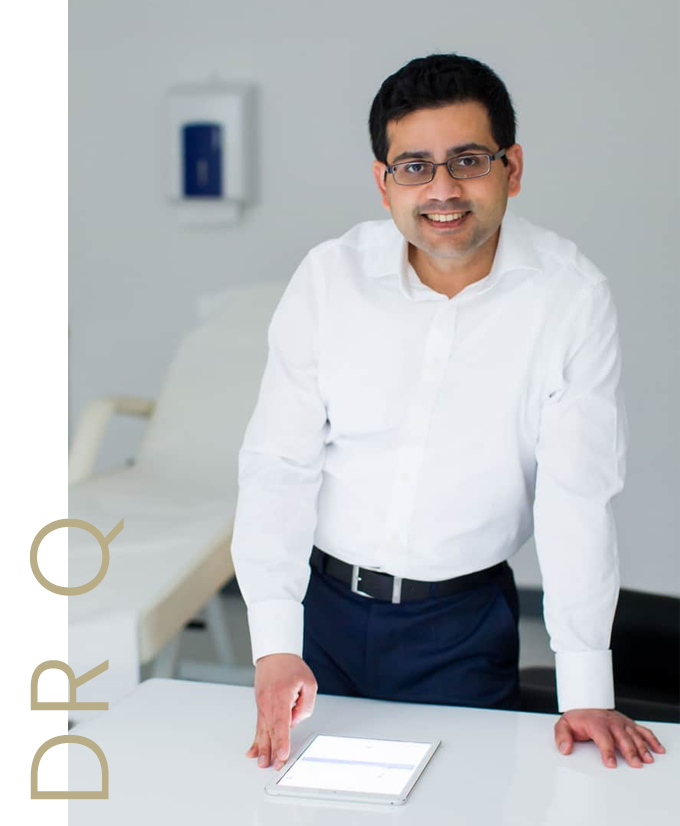
Dr Usman Qureshi (Dr Q) is a leading expert in aesthetic medicine with a 22 year career and a background spanning general practice, including A&E, and 12 years specialising in cosmetic procedures. A University of Glasgow graduate of 2002, he is the innovator behind the signature Q Lift, has performed over 20,000 procedures, and is an international speaker and trainer whose work has featured in Glamour and Harpers Bazaar.